



For many people, Zepbound is an effective weight loss medication. But that doesn’t mean losing weight is the only impact of this drug. Continue reading to learn about the possible Zepbound side effects and how to ease symptoms.
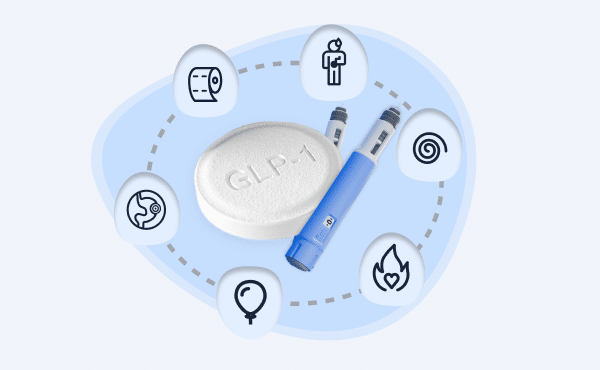
Starting a weight loss medication often comes with hope. You may imagine how much more energy you’ll have after losing a few pounds. Or perhaps you envision the joy of finally making progress on a long, sometimes confusing weight loss journey. But it’s also normal to worry about whether you’ll experience any side effects. For Zepbound, side effects often include gastrointestinal ones, such as nausea, constipation, and an uncomfortably full stomach.
In fact, a 2026 study in Drug, Healthcare and Patient Safety reported that 44% of the 67,305 study participants experienced one or more gastrointestinal side effects. Before you fret, the study authors highlighted that the side effects were mild and manageable for the majority of participants. Plus, only 4.3% of participants stopped taking Zepbound, indicating any side effects were manageable.
Ahead, we’ll answer questions like”What are the side effects of Zepbound?” “Just how long will they last?” and”What can I do to manage them?”
Zepbound side effects
Edmundo Rodriguez-Frias, MD, a board-certified gastroenterologist at Anderson Medical Group, said that the most common Zepbound side effects he sees in his practice are:
- Bloating, or an abdomen that feels or is visibly swollen
- Constipation, struggling with bowel movements and having too few
- Diarrhea, frequent, runny bowel movements
- Feeling uncomfortably full, especially after meals
- Nausea, a sick-to-the-stomach feeling
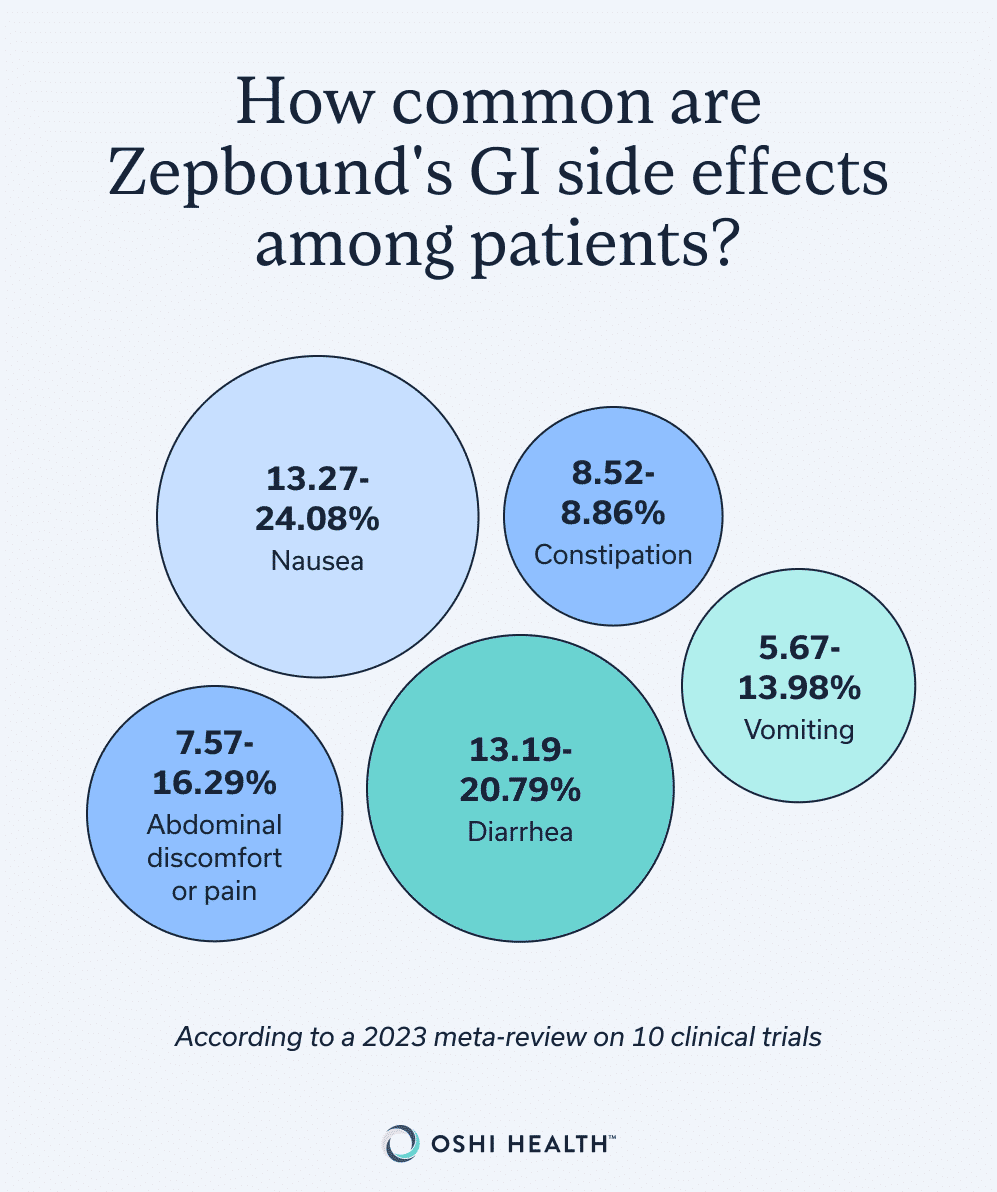
Clinical trials report these side effects of Zepbound too. A 2023 meta-review in the Journal of the Endocrine Society pooled how common each was in 10 clinical trials:
- Abdominal discomfort or pain: 7.57-16.29%
- Constipation: 8.52-8.86%
- Diarrhea: 13.19-20.79%
- Nausea: 13.27-24.08%
- Vomiting: 5.67-13.98%
“Fortunately, many of the side effects are either mild or moderate,” said Dr. Rodriguez-Frias, “And they can usually be managed without stopping the medication.”
Zepbound’s FDA label also lists less common side effects too:
- Acute (short-term) pancreatitis
- Allergic reactions, marked by itching, a rash, and swelling in the face
- Changes in vision in people with type 2 diabetes
- Depressive thoughts
- Gallbladder problems, often marked by symptoms such as jaundice (yellowing of face or eyes), pain in stomach, pale colored stools, and fever
- Feeling tired
- Heartburn
- Hair loss
- Irritation at the Zepbound injection site
- Kidney problems, including kidney failure in severe cases
- Low blood sugar, marked by dizziness, confusion, sweating, and other symptoms
When side effects start and how long they may last
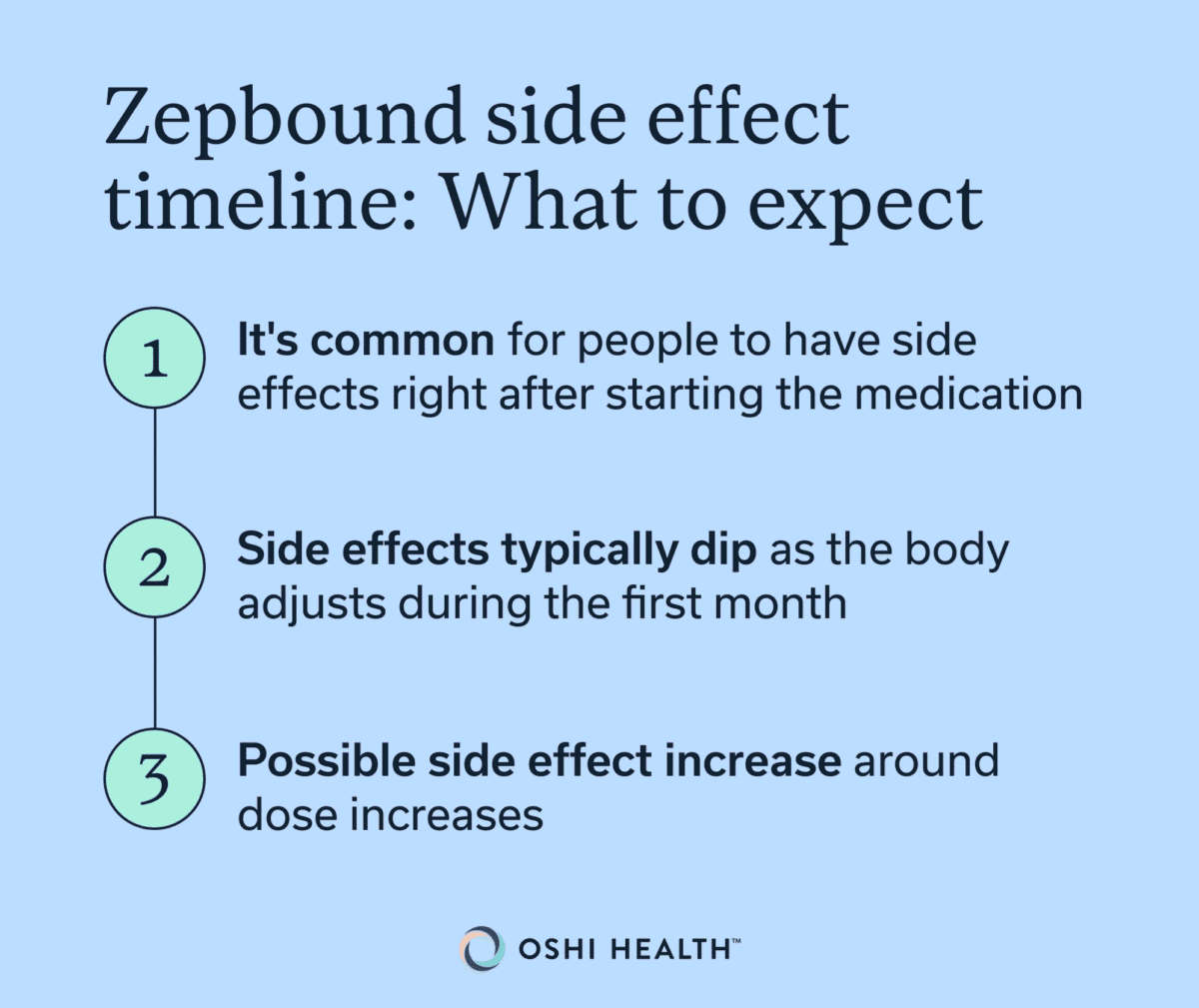
Now that we’ve covered the laundry list of potential symptoms, how long do Zepbound side effects last? For many patients, they are temporary. Side effects typically occur in the first week, says Dr. Rodriguez-Frias. They either improve or disappear as someone’s body adjusts to Zepbound in the first month or so. Sometimes, they may reappear around dose increases.
“This is why it is recommended to increase your doses of medication slowly,” Dr. Rodriguez-Frias explains. He adds that some patients will continue to experience GI symptoms, especially around dose increases, but they usually stabilize, lessen, or go away.
Why Zepbound can affect digestion
Zepbound is FDA-approved for weight loss, in part because it’s effective at slowing digestion. A 2024 meta-review in Endocrine suggests people lose 16.53-25.35 pounds within 72 weeks. But those pounds don’t just magically disappear. There’s a biological reason for this.
Zepbound is a GIP and GLP-1 receptor agonist, meaning it binds to GIP and GLP-1 receptors in the body. When activated, these receptors increase how long food stays in the stomach. “Slowed stomach emptying will make you feel fuller sooner after a meal and lead to more weight loss over time,” explains Dr. Rodriguez-Frias.
However, slowed digestion is also the reason for the drug’s GI side effects. When food moves more slowly through the digestive tract than expected, it may cause abdominal discomfort, bloating, changes in bowel movements, nausea, and, in severe cases, vomiting.
How to manage nausea, diarrhea, constipation, and other common symptoms
If you have Zepbound diarrhea or any other GI side effects, the idea that they may disappear or lessen over time offers hope. But it doesn’t relieve the GI discomfort right now. Dr. Rodriguez-Frias shares some in-the-moment tips for the most common GI side effects.
Nausea, vomiting, and/or indigestion
- Avoid eating foods that are high in fat (butter, steak, French fries, etc.)
- Consume smaller meals
- If you feel comfortably full, stop eating
- Stay hydrated, especially if vomiting
Diarrhea
- Eat bland foods for severe diarrhea
- Stay hydrated
- Watch for signs of dehydration, which range from thirst and fatigue to confusion and organ failure
Constipation
- Eat more fiber
- Exercise consistently, prioritizing light movement, like a walk or yoga class
- Stay hydrated (I’m sensing a theme with this one)
If symptoms continue or they get in the way of everyday life, consult a healthcare provider, ideally a GI provider, such as a gastroenterologist, a nurse practitioner who specializes in gut health, or a registered dietitian.
Is Zepbound safe?
I’m the type of person who won’t take over-the-counter medications for a headache unless it’s severe. If you’re also medication-hesitant, you may have read the list of Zepbound side effects and thought, “Is Zepbound safe?” According to the FDA, the governmental agency that determines the safety and effectiveness of drugs in the US, the answer is yes.
Like any other FDA-approved medication, Zepbound went through robust clinical trials. The FDA analyzed the clinical trial data and determined the benefits outweighed the harms.
But that doesn’t mean it’s a fit for everyone looking to lose weight. As a prescription medication, a healthcare provider must analyze the potential risks and benefits in each patient’s situation. They will prescribe Zepbound if it’s an appropriate treatment.
Who may need extra caution before or during treatment
The FDA offers some guidelines on who may not be a suitable candidate for Zepbound.
Zepbound is contraindicated (meaning not recommended) for people with:
- A diagnosis of Multiple Endocrine Neoplasia syndrome type 2 (MEN2), a rare genetic syndrome
- A family or personal history of medullary thyroid carcinoma, a type of thyroid cancer
- A known hypersensitivity to tirzepatide, the active ingredient in Zepbound
A patient may need closer monitoring to ensure no adverse effects occur if they have:
- A history of pancreatitis or kidney disease
- Diabetic retinopathy, an eye complication caused by diabetes
- Experienced suicidal thoughts or actions in the past
- Other medications, such as insulin or sulfonylureas, to take in order to manage blood sugar
These four factors don’t mean Zepbound is contraindicated. They do mean the prescribing provider will monitor for any adverse effects more closely.
When to seek care right away
Your prescribing healthcare provider will regularly meet with you (either virtually or in-office) to monitor how treatment is going. If you experience mild side effects, you can wait until your next regularly scheduled meeting to discuss them with a provider.
Don’t wait if you are experiencing severe side effects. Signs that you should seek care right away include:
- Blood in stool
- Excessive thirst
- Inability to keep down liquids
- Severe stomach pain (i.e., makes it difficult to get out of bed or go about your everyday routine)
- Stomach pain that extends to the lower back
- Urinating an excessive amount
- Any other symptoms that impede daily living
“We want our patients to know that you don’t have to’tough’ it out with extreme side effects,” emphasizes Dr. Rodriguez-Frias. “Early reporting can allow us to make changes in treatment before your symptoms worsen.”
Working with a healthcare provider if side effects are hard to tolerate
When on Zepbound, the prescribing healthcare provider should regularly monitor progress. To do so, they may schedule follow-up appointments right after someone starts Zepbound, after a dose change, and periodically throughout treatment.
Before these scheduled appointments, it may be useful to track any side effects you experience. Note the timing, severity, and any triggers too.
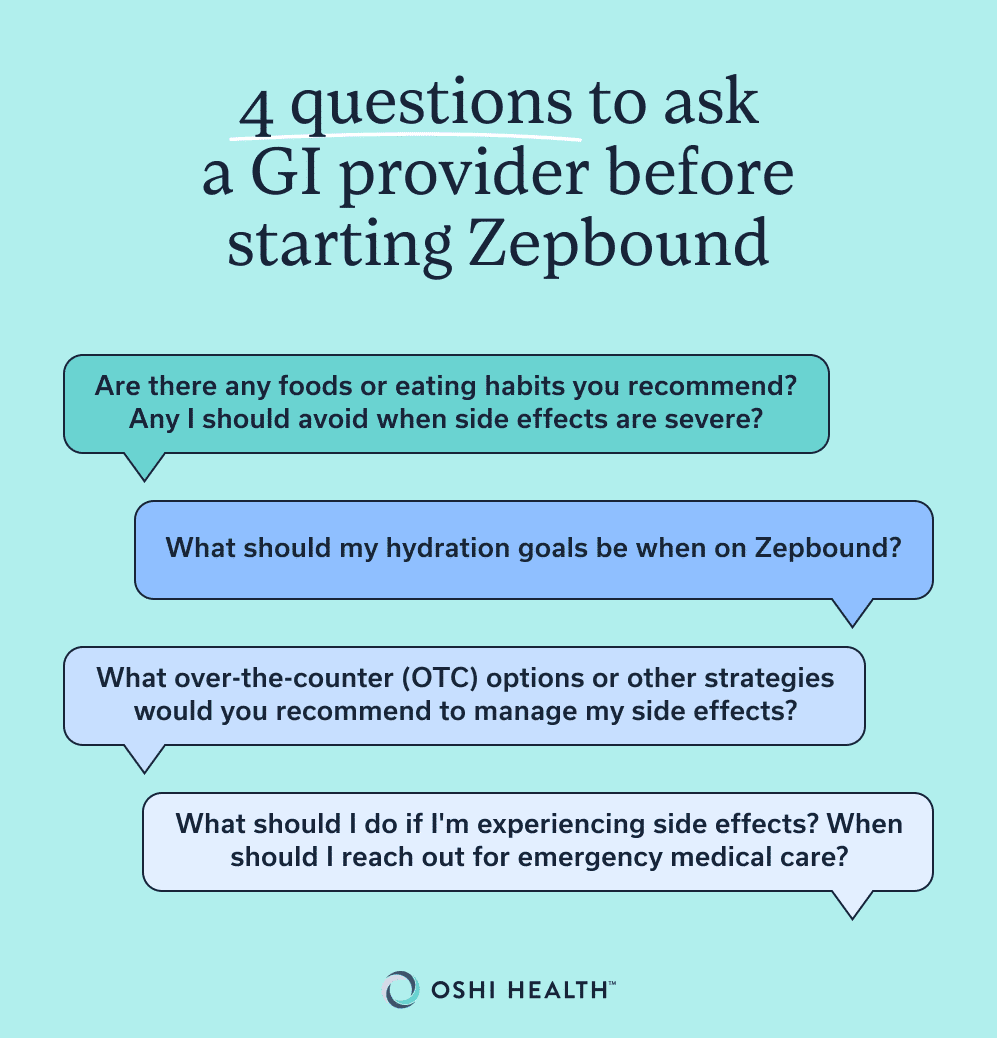
You may also want to use these appointments to ask any questions you have about managing these side effects, such as:
- Are there any foods or eating habits you recommend? Any I should avoid when side effects are severe?
- What should my hydration goals be when on Zepbound?
- What over-the-counter (OTC) options or other strategies would you recommend to manage my side effects?
- What should I do if I’m experiencing side effects? When should I reach out for emergency medical care?
As a prescription medication, a healthcare provider should guide any decisions to stop, restart, or change the dose of Zepbound. Even if side effects are severe, don’t stop Zepbound on your own—consult a healthcare provider first.
The bottom line
Zepbound side effects are somewhat common, especially when someone first starts the medication. Fortunately, many are mild and manageable. That doesn’t mean you have to bear them alone. A GI provider, such as the team at Oshi Health, can help you manage side effects.
Frequently asked questions (FAQs)
-
Zepbound side effects are most common when someone first starts the medication, but they can appear at any time. Dose increases are another common period for side effects to occur because the body is adjusting to a new amount of Zepbound in its system.
-
Side effects do not mean Zepbound isn’t working. They are the body’s way of adjusting to the medication. However, if they continue at a severity that impacts everyday life, your prescribing healthcare provider may consider Zepbound alternatives.
-
Gastrointestinal side effects are some of the most common with Zepbound. That said, most people with a sensitive stomach can still take the medication. If you fall into the touchy tummy camp, talk to a GI provider, such as a gastroenterologist, about your specific concerns and if Zepbound is a possible option for you.
Oshi is your partner in digestive health
Feel like your digestive concerns are running your life? You’re not alone—and we’re here to help you find lasting relief.
Oshi Health GI providers, gut-brain specialists, and registered dietitians work together to address your symptoms and find solutions that actually work for you.
Whether you’re dealing with chronic digestive issues or unpredictable symptom flare-ups, our GI specialists deliver:
✔ Personalized care plans tailored to your lifestyle
✔ Science-backed strategies to calm your gut
✔ Compassionate, whole-person care
✔ And so much more!
Ready to take control of your gut health?