
If you’ve been scrolling social media lately, you’ve probably heard of Cyclospora. This microscopic parasite has been in the news thanks to a recent outbreak, and there’s a whole lot of misinformation flying around.
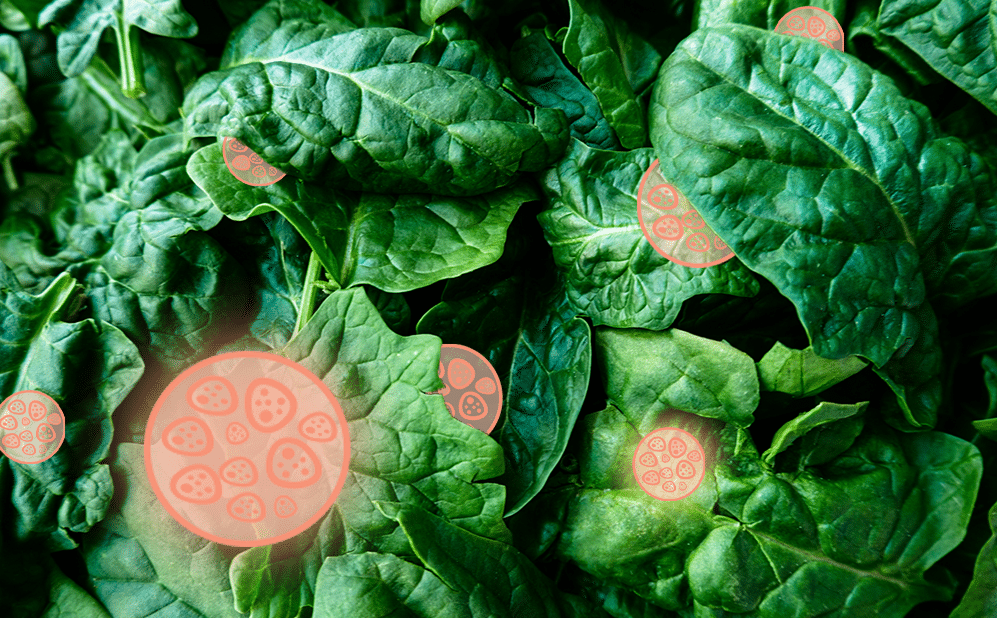
Cyclospora is a parasite that can contaminate food, including fresh fruits, vegetables, and leafy greens. It causes a stomach illness called cyclosporiasis. Unlike many common stomach bugs, cyclosporiasis isn’t viral or bacterial.
So, how can you tell a Cyclospora infection apart from other causes of diarrhea? Our GI expert Robbie Leinart, APRN-BC, clears up some of the myths around this trending topic.
Myth 1: Cyclosporiasis is just another stomach bug, and it’ll go away in a few days
The truth: Cyclosporiasis can last much longer than a typical viral stomach illness.
Many common viral gastrointestinal (GI) infections improve within several days. Without appropriate treatment, Cyclosporiasis symptoms can linger for weeks or even months.
Symptoms can include:
- Frequent, watery diarrhea
- Nausea and vomiting
- Low-grade fever
- Body aches
- Chills
The duration and pattern of symptoms are important clues.
“Typically, the things to look for and be concerned with are if you’re not better within a few days or if it gets better and then it comes back. Those are the times when you need to seek medical advice,” says Leinart.
Myth 2: If I have diarrhea, a standard stool test will find the cause
The truth: Diagnosing a Cyclospora infection requires specific testing
This parasite might not show up on standard stool cultures. “They do have to request a specific stool specimen for Cyclospora,” says Leinart. She adds that if you think you’ve been exposed to a contaminated food source, you should tell your provider. That way, they’ll be better equipped to order the right test.
The same goes if you’ve had persistent diarrhea after eating a food that may have been linked to a Cyclospora outbreak or if your symptoms are different from what you normally experience with a digestive condition. Let your provider know.
For example, someone who already has irritable bowel syndrome (IBS) or inflammatory bowel disease (IBD) may be used to periods of diarrhea. But a major change from your usual symptoms deserves a checkup, says Leinart.
Myth 3: Cyclospora is contagious (like the stomach flu)
The truth: Cyclosporiasis is a parasitic infection. And the parasite that causes it is impossible to see with the naked eye. You typically get Cyclospora by eating contaminated foods—not by interacting with someone else who has it.
“It doesn’t spread from person to person,” says Leinart.
It’s not a virus or a bacterium, which makes it different from some common causes of infectious diarrhea, like norovirus, which spreads easily through contact with an infected person.
What should you do if you think you have a cyclosporiasis infection?
If you’re having persistent diarrhea, especially after eating food that might have been linked to an outbreak, don’t assume you need to just wait it out.
Leinart suggests seeking medical care if:
- Your diarrhea isn’t improving after a few days.
- Your symptoms improve but then come back.
- Over-the-counter anti-diarrheal medications aren’t helping.
- Your symptoms are significantly different from your usual digestive symptoms.
- You’ve had a potential exposure to contaminated food and are now having symptoms that won’t go away.
A healthcare provider can determine whether you need stool testing or other tests.
And if you test positive for Cyclospora, your provider will typically prescribe a specific antibiotic to treat the parasitic infection called Bactrim.
Other gut parasites to be aware of
Cyclospora isn’t the only parasite that can infect the digestive system. Other GI parasites can have different sources of exposure, symptoms, and treatments.
Giardia, for example, is one of the more common intestinal parasites. People often get it through drinking contaminated water, but it can also spread through contact with contaminated food or surfaces. Symptoms can include gas, bloating, diarrhea, and stomach cramps. They can come and go, and like cyclosporiasis, they can sometimes last for weeks.
Symptoms alone can’t usually tell you which parasite you have—or even whether a parasite is the problem. That’s why it’s so important to give your provider as much information as possible about your symptoms and when they started. Let them know about what you were doing before your symptoms started, like swimming in a lake, drinking tap water in an unfamiliar place, or eating food linked to an outbreak.
The bottom line
Most short-lived stomach bugs get better within days, but that isn’t the case with Cyclospora.
“If you have concerns about being exposed to a potentially contaminated food and your symptoms are lingering, and you’re not getting better, or your symptoms are changing, those are the times to reach out to a health provider,” says Leinart.
Struggling with a sudden bout of diarrhea? Oshi can help. Book your first virtual visit today.
Worried about your GI symptoms? You don't have to wait weeks for answers.
When digestive symptoms show up, it can sometimes be hard to know whether you should be concerned.
Oshi’s GI specialists provide expert, personalized care within days. They’ll work with you to:
✔ Understand what may be behind your symptoms
✔ Determine whether testing may be necessary
✔ Create a treatment plan tailored to you
✔ And so much more!
Ready to get to the bottom of your symptoms?