Liver disease overview
Your liver is one of the hardest-working organs in your body. It helps process nutrients, filter waste, regulate blood sugar, store energy, and support digestion. When the liver becomes inflamed or damaged, it can affect how you feel in a big way.
“Liver disease” is a broad term that includes several conditions. Some develop slowly over time with few early warning signs, while others may cause more noticeable problems early on.
You might first learn that something may be wrong with your liver after routine bloodwork shows elevated liver enzymes. Or you might seek care for symptoms like fatigue, abdominal discomfort, or unexplained digestive changes, and end up with a liver disease diagnosis.
Read on to learn about liver disease symptoms, causes, risk factors, and complications. Plus, how an Oshi care team can create a personalized treatment plan for long-term relief.
Types of liver disease
There are many kinds of liver disease, and each one can affect your body in different ways. Some liver conditions, like nonalcoholic fatty liver disease, can improve or even be reversed with the right treatment and lifestyle changes. Others may require ongoing monitoring or more intensive medical care. Some liver conditions our providers see in patients include:
- Metabolic dysfunction-associated steatotic liver disease (MASLD). Formerly known as nonalcoholic fatty liver disease, this condition happens when extra fat builds up in the liver. It’s often linked to things like diet, insulin resistance, and metabolic disorders. It’s one of the most common liver conditions Oshi providers see in patients.
- Hepatitis B and C. These viral infections cause inflammation of the liver. You can contract either by coming into contact with infected bodily fluids, like through unprotected sex.
- Cirrhosis. This is advanced scarring of the liver that develops after long-term liver damage. As scar tissue builds up, the liver has a harder time doing its job. Scarring can happen due to heavy alcohol use, autoimmune liver disease, untreated fatty liver disease, and viral infections affecting the liver.
- Autoimmune liver diseases. Autoimmune liver conditions happen when the immune system mistakenly attacks a healthy liver. Examples of autoimmune conditions involving the liver include autoimmune hepatitis (AIH) and primary biliary cholangitis (PBC).
- Liver cancer. Yes. The big ‘C’ can affect the liver. Liver cancer happens when abnormal cells in the liver start to grow uncontrollably and form a tumor. The most common type of liver cancer is hepatocellular carcinoma (HCC). It often develops after years of ongoing liver damage and inflammation. Certain conditions, like fatty liver disease, can raise the risk of liver cell changes over time.
- Genetic conditions. Some liver diseases run in families, like hemochromatosis, which causes too much iron to build up in the body.
Keep in mind that many conditions can affect the liver. These are just a few of the most common.
Liver disease symptoms
Liver disease doesn’t always cause symptoms early on. In fact, many people feel fine at first and may even have normal liver labs, and the problem only gets discovered through imaging ordered for unrelated reasons, like an annual checkup or to get to the bottom of gastrointestinal (GI) symptoms.
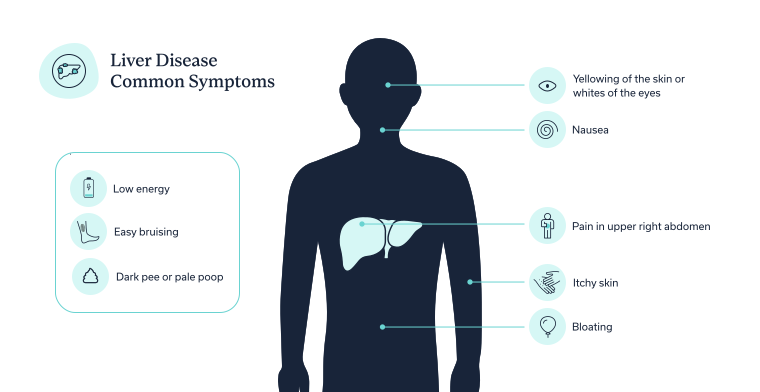
When symptoms do show up, they may include:
- Constantly feeling tired or low energy
- Pain or discomfort in the upper right abdomen
- Nausea or poor appetite
- Unexplained weight changes
- Bloating or swelling in the abdomen
- Itchy skin
- Dark pee or pale poop
- Yellowing of the skin or whites of the eyes (aka jaundice)
- Easy bruising
Symptoms can vary widely depending on the type and stage of liver disease you have. And everyone experiences symptoms a bit differently.
Common fatty liver (MASLD) disease symptoms
MASLD may not cause noticeable symptoms in its early stages. But possible symptoms include feeling extremely tired or weak or unexplained weight loss. If something feels off—like ongoing fatigue or discomfort—you don’t have to figure it out on your own. An Oshi GI provider can help you make sense of your symptoms, walk you through your treatment options, and create a plan of action that makes sense for your life.
I love that no matter where I am in the world, no matter what I’m doing, if something comes up, if I have a question, if I lost my lab orders and I need a new one—it’s all there in the app. Easy to log in, easy to navigate, easy to talk to somebody within 24 hours. I don’t think I’ve ever had to wait longer than 24 hours for a response.
— Oshi patient Ariana L.
Read more about Ariana's storyLiver disease causes
Liver disease can happen for many different reasons. Common causes include:
- Fat buildup in the liver (MASLD/fatty liver disease). Often linked with insulin resistance, metabolic syndrome, high cholesterol, or type 2 diabetes. Genetics can also play a role.
- Alcohol-related liver disease. Your liver is your body’s detox organ, but it can only handle so much. Long-term heavy alcohol use can damage the liver over time, causing serious scarring that can lead to liver failure.
- Viral infections. Hepatitis B and C can both cause chronic liver inflammation.
- Autoimmune disease. Some autoimmune conditions, such as AIH, cause your immune system to attack the liver and surrounding tissues.
- Medications or exposure to toxins. Exposure to toxins can damage the liver. Taking too much of certain medications (e.g., Tylenol or opioids) can also put excess strain on the liver and even lead to permanent liver damage.
- Genetic or inherited conditions. Certain rare disorders can affect liver function and make you more likely to develop liver scarring.
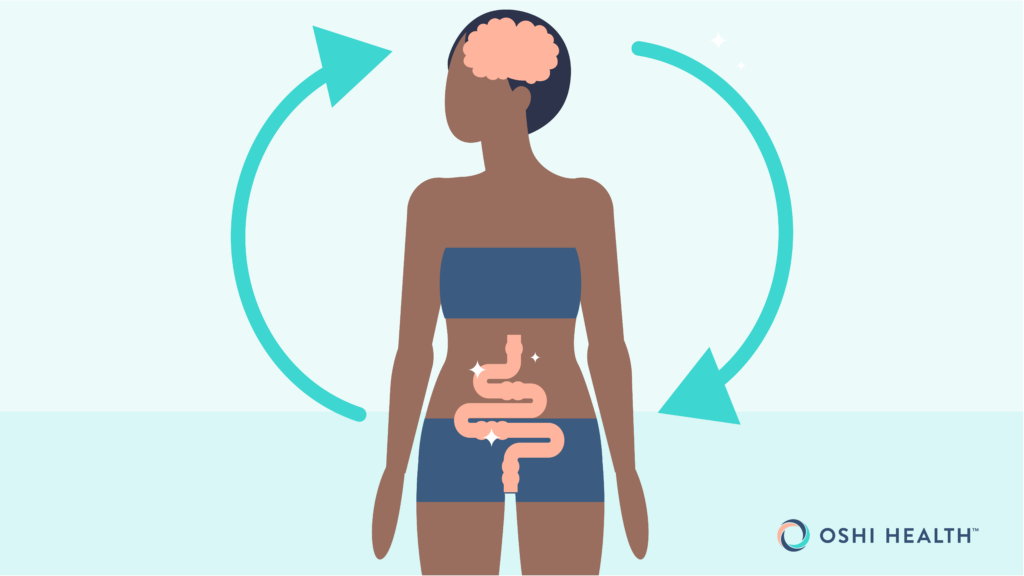
There’s also emerging evidence of a gut-brain-liver connection, which may play a role in liver disease development. And that makes a lot of sense, given the liver is part of your digestive system!
Liver disease risk factors
Anyone can develop liver disease, but some factors may increase your risk, including:
- Type 2 diabetes or prediabetes
- High cholesterol or high triglycerides
- High blood pressure
- Heavy alcohol use
- History of substance misuse
- Family history of liver disease
- Autoimmune conditions
- Past exposure to hepatitis B or C
- Use of over-the-counter medications, supplements, or even prescriptions
- Being around harmful substances on a regular basis
Having any of these risk factors doesn’t mean you’ll definitely develop liver disease, but it can mean screening and follow-up are especially important for you.
Liver disease complications
Untreated liver disease can lead to scarring and reduced liver function over time. And remember how we mentioned that the liver does a lot of work for your body? When the liver doesn’t work well, it can have a ripple effect across all your body’s systems.
Possible complications of liver disease include:
- Fibrosis. Early scar tissue in the liver.
- Cirrhosis. Advanced scarring that affects liver function and can eventually lead to liver failure if left untreated.
- Portal hypertension. This is increased pressure in the veins connected to the liver. It can increase the risk of internal bleeding.
- Fluid buildup. Also called ascites, this is swelling that happens in the abdomen.
- Bleeding. Especially from enlarged veins in the esophagus or stomach.
- Liver cancer. Your risk of cancer in the liver may go up if you have chronic liver disease and/or cirrhosis.
- Liver failure. This is when the liver stops working and can no longer filter waste. You can’t live without a liver, so you’ll eventually need a transplant if you experience liver failure.
We know this list sounds scary, but the good news is that early treatment for liver disease can help lower the risk of these serious complications. A GI specialist can help you understand what’s happening with your liver health and take steps to protect your liver before things progress.
Liver disease diagnosis
For many people, the diagnostic process starts after bloodwork shows elevated liver enzymes, like alanine transaminase (ALT) or aspartate aminotransferase (AST), or if you are screened for fatty liver disease based on other conditions. While elevated levels can mean a lot of different things, they may signal liver inflammation or injury. And it’s a sign to take a deeper look into your liver health.
- in the United States have a liver disease diagnosis—and that doesn’t include those who don’t even know they have issues with their liver.
Source: CDC
At Oshi Health, which is in-network with most major health plans, our providers review your symptoms, medical history, medications, and lifestyle to get to the bottom of what may be affecting your liver.
Further testing may include:
- Additional blood tests, including a full liver enzyme panel
- Viral hepatitis screening
- Testing for autoimmune disease markers
- Cholesterol and blood sugar testing
- Ultrasound or FibroScan imaging
- MRI or CT imaging when necessary
- In some cases, a liver biopsy
- Referral to a hepatologist when appropriate
Expert liver care, covered by insurance
In-network with most major health plans
Whether you’re managing a liver condition or trying to better understand what’s going on, getting expert support shouldn’t feel out of reach. Oshi is in-network with most major health plans, helping make personalized liver and digestive care more accessible from the comfort of home.






Liver disease treatment
Treatment depends on the type and severity of liver disease, but many people see symptom and liver health improvement with the right treatment plan. Because liver disease can affect multiple areas of health—from digestion to energy levels—a whole-person, team-based approach can help ensure every part of your care is tailored to you. Here’s an example of what Oshi care with a GI provider, registered dietitian, and gut-brain specialist can look like for someone living with a liver disease like MASLD:
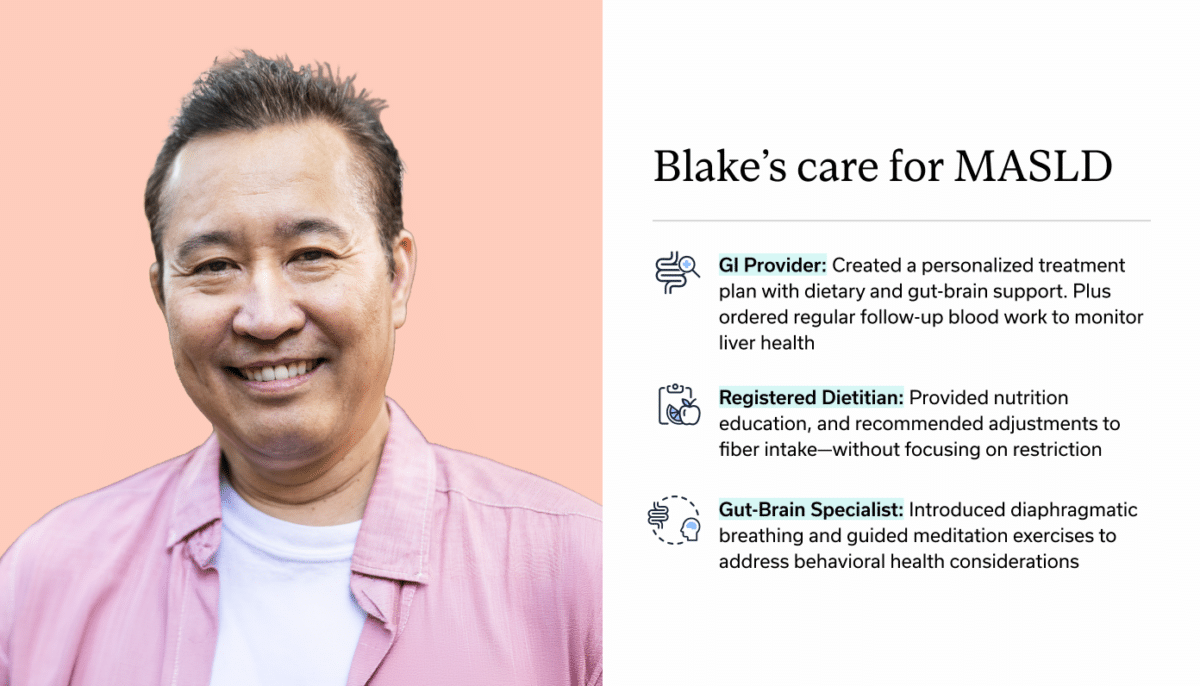
1. Treating the underlying cause
At Oshi, no two care plans are the same. We personalize treatment based on your diagnosis, symptoms, risk factors, and goals.
Your GI provider might recommend the following based on your condition:
- Lifestyle changes and dietary interventions for fatty liver disease
- Antiviral treatment for hepatitis B and C
- Immune-modifying medications for autoimmune liver diseases
- Alcohol cessation support for alcohol-related liver disease
Your care is a conversation between you and your care team. You’ll always be in the loop as your clinicians work together to help you feel better and protect your long-term liver health.
I really like that care can kind of shift and evolve with me as I am getting better at managing my condition.
— Oshi patient Ariana L.
Meet your liver care team
Liver conditions can come with a lot of questions—and figuring out what to do next can feel overwhelming. Oshi’s GI providers are here to help you make sense of your symptoms, understand your options, and build a personalized plan with support from a coordinated care team.








2. Nutrition and lifestyle support
Lifestyle and dietary changes can play a major role in liver health. Our registered dietitians can help with:
- Eating patterns that support healthy liver function
- Eating for blood sugar regulation
- Cholesterol-lowering dietary habits
- Adjusting the foods you eat to minimize symptoms like bloating and reflux
- Building realistic nutrition habits that fit your lifestyle
[Care with Oshi] is less about restriction and more about moderation, and I think that that has been amazing for my mental health.
— Oshi patient Ariana L.
3. Working on the gut-brain connection
Chronic health concerns can take a toll mentally and emotionally, especially ones as serious as liver disease. Stress and uncertainty can be part of daily life when living with a liver condition, especially if you’ve just received a diagnosis or are still waiting on results to confirm one.
Oshi’s team-based approach means you get care that touches on all aspects of your health and well-being, from medical treatment to dietary support, and access to gut-brain specialists who can help address the emotional factors impacting your symptoms and quality of life.
4. Ongoing monitoring
Some liver conditions require regular lab work or imaging to track progress and adjust treatment to prevent complications. Oshi makes getting that follow-up care easy and convenient. If your GI provider orders in-person testing or imaging, our care coordinators are here to help with the logistics and can even find an in-network location that works best for you.
- decrease in unnecessary (and expensive) procedures and tests
- of undiagnosed patients get a clear diagnosis within 3 months
- of patients report better quality of life, with less stress and anxiety, within 3 months
Source: Results of a clinical trial conducted in partnership with a national health plan
Oshi is your partner in expert liver care
Liver conditions like fatty liver disease can be hard to manage on your own without clear guidance.
Oshi Health gives you access to GI providers, registered dietitians, and gut-brain experts who specialize in liver health. They can evaluate your symptoms, order labs, and create a personalized care plan based on your needs.
Plus, with convenient virtual visits, our specialists can monitor your progress over time and adjust your plan based on your lab results and how you’re feeling.
You deserve clear answers and expert care for your liver health.
Frequently Asked Questions
-
Liver disease can affect everyone differently, which is why treatment shouldn’t be one-size-fits-all. While healthy habits like balanced nutrition, movement, and quality sleep can support overall liver health, it’s important to work with a healthcare provider to understand what treatment is right for you. Oshi GI specialists can build a personalized plan designed to help you with your symptoms and support long-term liver health.
-
Yes. Many people with liver disease live full, active lives. Depending on the type of liver disease, you may need regular check-ins, testing, or lifestyle adjustments.
-
Warning signs of serious liver disease include yellow skin or whites of the eyes, abdominal swelling, dark urine, pale poop, and intense fatigue that doesn’t go away. Early signs aren’t always noticeable, but may include changes in appetite, nausea, itching, and fatigue.
 Steph Coelho, CPT
Written by Steph Coelho, CPT
Steph Coelho, CPT
Written by Steph Coelho, CPT
Medically reviewed by Christie L. Morrison, AGACNP-BC