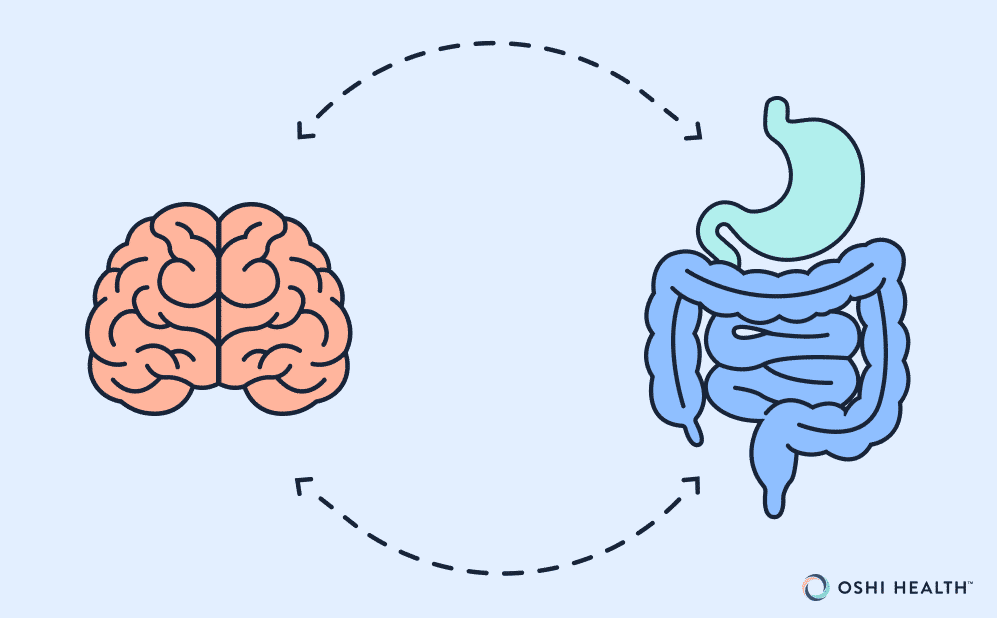



Takeaway: Irritable bowel syndrome (IBS) is one of the most common gastrointestinal (GI) conditions. Living with it can be frustrating because symptom flare-ups can leave you curled in a ball in discomfort or sticking close to a bathroom, just in case. Various triggers can cause a flare, and knowing what they are for you can help reduce symptoms and their severity. Plus, some strategies can help calm an in-progress flare.
Irritable bowel syndrome (IBS) is a chronic gastrointestinal (GI) condition, and it behaves a lot like the weather. The weather is always there, but you might not think about it unless there’s a noteworthy event, such as a storm or extreme temperatures.
Like the weather, IBS is always there, but it might not cause symptoms unless you’re experiencing a flare-up. Then you might weather a storm of discomfort with symptoms that could range from diarrhea or constipation to bloating or cramping.
An IBS flare-up can last anywhere from a few hours to a few weeks, with symptoms that come and go. Flares can result from changes in routine, diet, mental health, hormones, and more. These are considered potential triggers, but they differ from the overall underlying causes of IBS.
IBS flares, although common, can be frustrating, but a few strategies can help you cope and get you back to feeling like your usual self.
In this article, we explore IBS flare-up symptoms, what causes IBS flare-ups, what causes IBS in the first place, and more.
IBS flare-up: what it means and common symptoms
An IBS flare-up is a temporary period when IBS symptoms suddenly show up or get worse than your usual everyday experience of living with the condition.
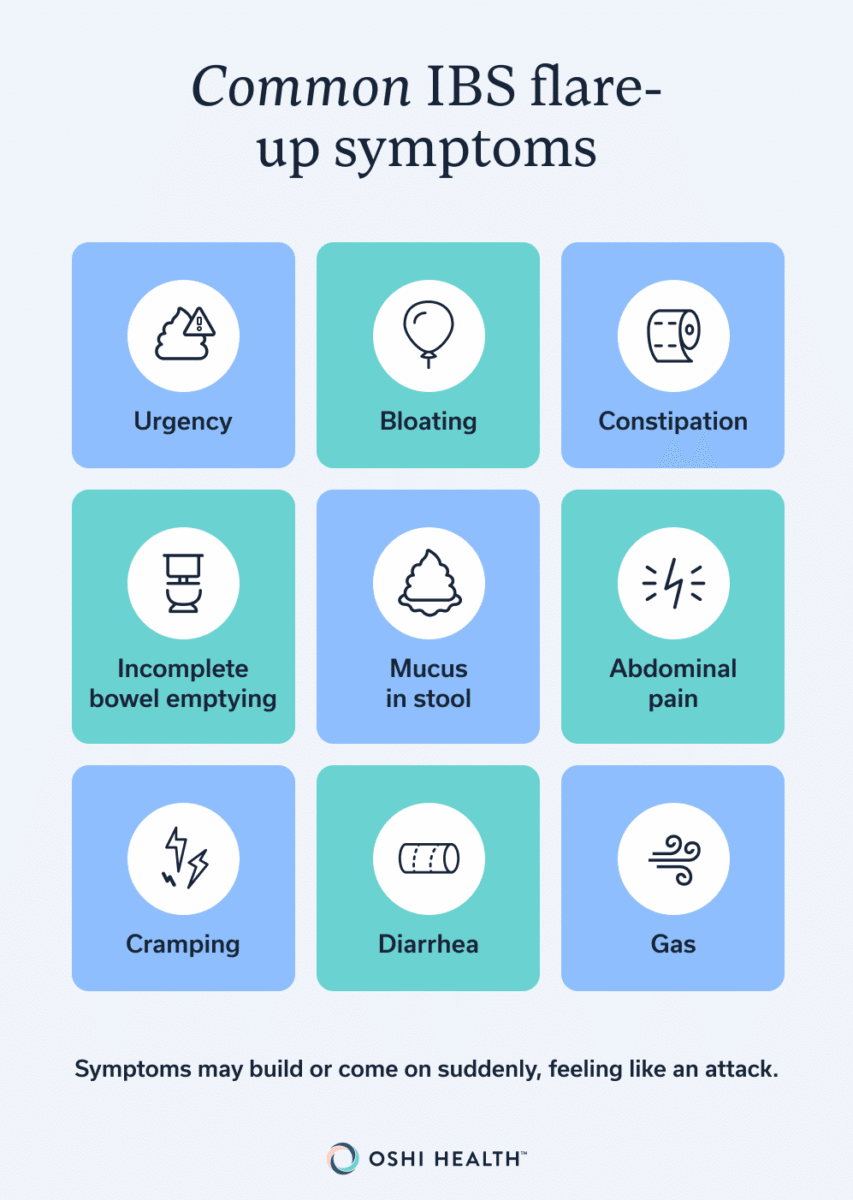
IBS flare-up symptoms
-
bloating
-
cramping
-
gas
-
incomplete bowel emptying
-
mucus in stool
-
urgency
Symptoms may build or come on suddenly, feeling like an attack.
Symptoms of an IBS”attack”
-
Sudden urgency
-
Intense cramping
-
Abdominal pressure or bloating
-
Feeling as if you need to stay near a bathroom
IBS symptoms typically follow a pattern based on one of the four IBS subtypes.
IBS subtypes
-
IBS with constipation (IBS-C): Symptoms gravitate more toward constipation. You might experience incomplete bowel movements, difficulty going number two, or straining on the toilet.
-
IBS with diarrhea (IBS-D): Symptoms tend to cause loose or watery stool and the frequent need to go.
-
IBS with mixed bowel habits (IBS-M): Symptoms are mixed, meaning you sometimes experience constipation, while other times diarrhea.
-
IBS that is unsubtyped (IBS-U): Symptoms don’t fall into one of the previous categories.
What causes IBS, and what triggers flare-ups?
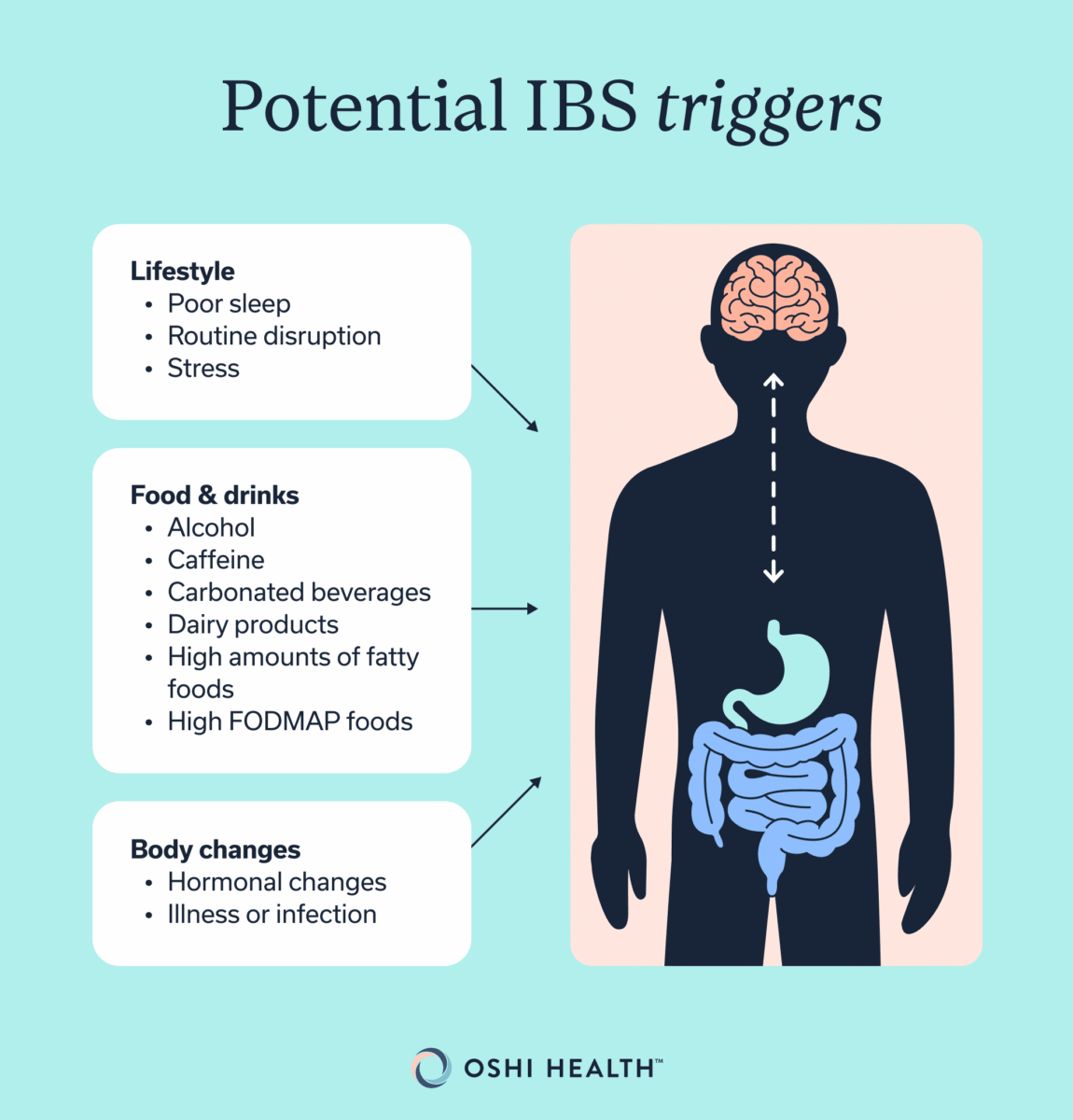
IBS itself has various potential causes, but causes are different from triggers. Triggers are factors that lead to a flare-up of symptoms.
-
IBS cause: an underlying factor that leads to having IBS as a chronic condition
-
IBS trigger: a factor that drives a flare-up of your symptoms
Potential IBS causes
IBS is a disorder of gut-brain interaction (DGBI). It occurs because your GI tract is having trouble communicating with your brain via the gut-brain axis, almost like a bad phone connection.
Disruption in this two-way communication can lead to certain issues with your GI tract, such as the following:
-
Motility disturbances. Motility is the movement of food and waste through the digestive tract. Communication disturbances can lead to motility changes, causing constipation, diarrhea, or other symptoms.
-
Visceral hypersensitivity (VH). VH describes discomfort resulting from your organs doing their usual job roles. Sometimes VH involves a sense of pain from something that shouldn’t cause it, such as digesting food. Other times VH involves a heightened sense of pain in response to something that actually is painful, such as trapped gas.
Some additional concerns beyond gut-brain communication issues may also play a role in IBS.
-
Gut dysbiosis: Your gut plays host to a community of bacteria and fungi, and its microbial balance can become disrupted, potentially contributing to IBS.
-
Intestinal barrier damage or dysfunction: Many people with IBS have gut barrier dysfunction. The gut barrier is a several-layer lining that absorbs nutrients and protects the rest of the body from trouble-causing pathogens.
Potential IBS triggers
IBS triggers vary from person to person. So what causes a flare-up of your IBS symptoms may be different from what causes your sister, uncle, neighbor, coworker, classmate, or goldfish (kidding about that last one) to experience an uptick in symptoms. Some triggers, such as those listed below, are relatively common flare culprits. However, you don’t have to avoid these if they aren’t triggers for you.
To figure out your personalized set of triggers, tracking can help. You can note in a journal or app what you ate and when, and your daily activities, mental health symptoms, how well you slept, etc. You might notice obvious patterns that drive symptoms, though sometimes IBS is simply unpredictable—you know, just like the weather.
Alcohol
Alcohol and the metabolites produced when your body breaks it down can damage your gut microbiome and harm gut-barrier function, according to research published in the journal Alcohol Reviews.
You might choose to skip alcohol altogether or indulge in the occasional drink. However, newer research published in the journal Lancet Rheumatology, along with other guidance, suggests no amount of alcohol is truly safe for overall health.
Caffeine
Caffeine stimulates your bowel. But research is mixed on its potential effects on IBS. For example, coffee is associated with a reduced risk for developing IBS, according to research published in the journal Nutrients. Coffee is also associated with worsening diarrhea symptoms, based on research published in the journal Digestive Diseases and Sciences.
Likely, the answer is that moderate caffeine intake may be an individual trigger for some but not others.
Carbonated beverages
Carbonated beverages can lead to trapped gas bubbles and bloating, which can exacerbate IBS discomfort, says research in the World Journal of Gastroenterology. That doesn’t necessarily mean you have to avoid carbonation altogether, but limiting how much you consume might help keep symptoms at bay.
Dairy products
Dairy isn’t associated with IBS flares in general, though it is in people with lactose intolerance, according to research published in the journal Cureus. So again, dairy is a highly individual trigger.
High amounts of fatty foods
Dietary fat is a nutritional need for everyone. However, high-fat meals can slow gut motility, which could exacerbate certain types of IBS, especially IBS-D, says research published in the journal Clinical Nutrition.
If fatty foods tend to be a trigger for you, consider focusing on anti-inflammatory fats, such as omega-3 fatty acids, found in salmon, mackerel, sardines, chia seeds, flaxseed, walnuts, and more.
High FODMAP foods
The FODMAP acronym stands for fermentable oligosaccharides, disaccharides, monosaccharides, and polyols. High FODMAP foods are associated with IBS flares, according to research published in the journal JGH Open.
However, a low FODMAP diet can be restrictive, and not everyone with IBS has trouble with FODMAPs. In some cases, people try a low-FODMAP diet and then slowly introduce foods back in to see if they experience symptoms. If you’re considering this option, working with a GI registered dietitian can help ensure you’re still consuming adequate nutrition to maintain your overall health and aren’t feeling deprived.
Hormonal changes
Hormonal changes, especially those concerned with the menstrual cycle, may trigger IBS symptoms.
Progesterone is higher during the luteal phase, which is the second half of your cycle, lasting from around ovulation to the start of your period. Progesterone can slow gut motility and worsen constipation.
Then, when you get your period, progesterone levels drop sharply while prostaglandin levels increase. Prostaglandins, although not hormones, act like them, and they are implicated in”period poops,” having to go more often and experiencing loose or watery stool during menstruation.
If you have IBS-D, the luteal phase might trigger symptoms, and if you have IBS-C, your period might cause a flare. Those with IBS-M or IBS-U might experience flares at both times.
Illness or infection
When you’re experiencing a sudden illness or a worsening of a chronic illness, your body is already under duress, and IBS symptoms may flare. For example, GI issues are common during a migraine attack, and these symptoms may be even more severe with an already sensitive gut from IBS.
Any type of infection, whether bacterial, viral, or parasitic, can cause an IBS flare, simply because of increased GI symptoms while your immune system goes to work eliminating a pathogen.
Additionally, post-infectious IBS can show up within months after exposure to a GI pathogen. About 1 in 10 people exposed to certain GI infections develop this form of the condition, according to the American Journal of Gastroenterology.
Poor sleep
The relationship between sleep and IBS is complex. But one concern is that poor sleep may worsen visceral hypersensitivity and therefore worsen IBS discomfort.
Routine disruption
Changes to your routine, such as travel or having guests visit, might worsen IBS. Several factors are at play, including the gut-brain connection and travel stress, sleep disruptions, bathroom availability or lack thereof, and more. Planning ahead and bringing the supplies you need can help prevent or alleviate a flare.
Stress
The gut and brain are intimately connected, and they communicate. Stress can lead to what’s called “stress belly.” This is a colloquial term for two things: increased abdominal fat accumulation or increased GI discomfort. When considering IBS, stress can worsen digestive symptoms, causing a flare.
How to manage an IBS flare-up
During an IBS flare-up, all you want is to feel better. The type of flare you’re having (e.g., worsening constipation or diarrhea) will determine some of the specifics of what might help. But a few general strategies can ease your discomfort and overall symptoms.
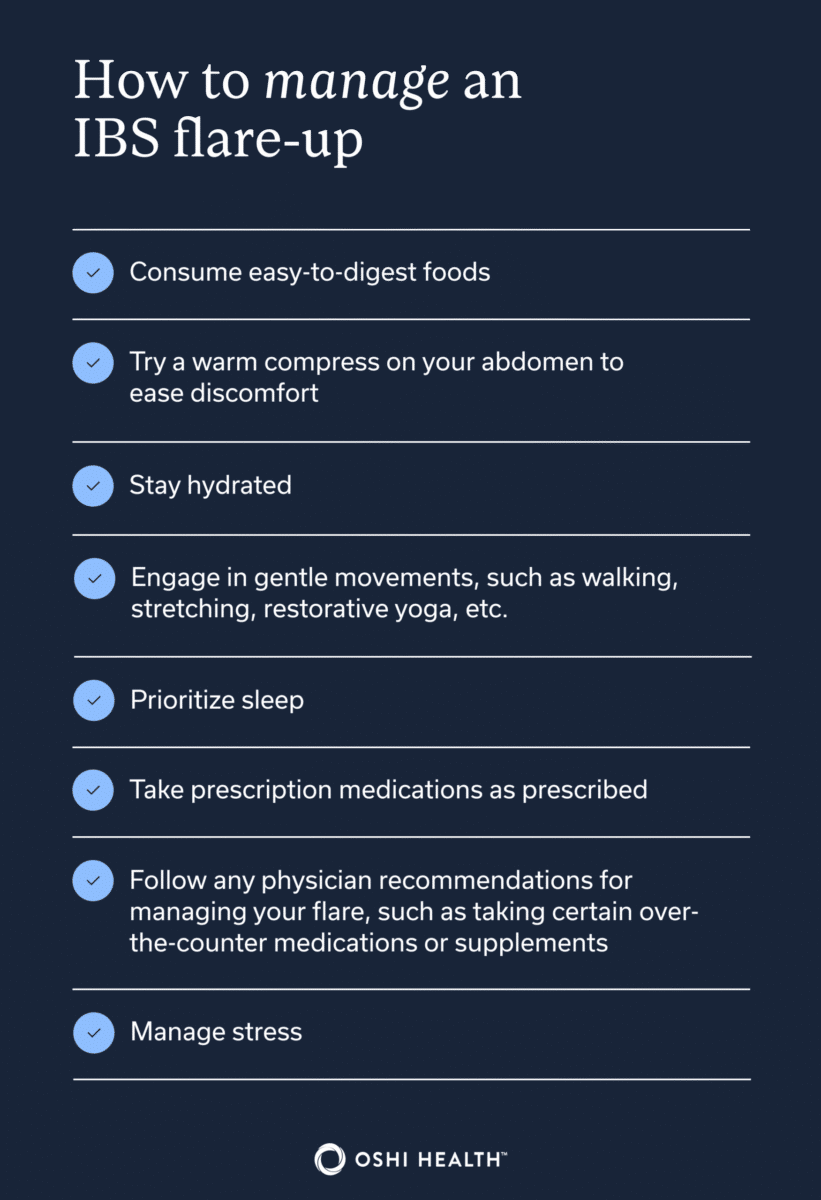
Managing an IBS flare
-
Consume easy-to-digest foods ( Check out Oshi Health’s list)
-
Stay hydrated
-
Prioritize sleep
-
Manage stress
-
Try a warm compress on your abdomen to ease discomfort
-
Engage in gentle movement, such as walking, stretching, or restorative yoga
-
Take prescription medications as prescribed
-
Follow any physician recommendations for managing your flare, such as taking certain over-the-counter medications or supplements
How to prevent future IBS flare-ups
The occasional IBS flare-up is inevitable. You can do all the right things, and still experience flares every now and then. But you can potentially reduce the number of flares you have with a few strategies.
-
Learn your triggers and avoid them as much as possible: A symptom-tracking diary is highly beneficial for figuring out what foods, activities, and more typically worsen your IBS. Once you know your triggers, you can reduce your exposure as much as possible and plan ahead, such as for travel or hormonal changes.
-
Stick to a regular routine: Following a regular sleep, exercise, and eating schedule helps your body know what to expect each day and keeps it in balance. Obviously, routine disruptions inevitably occur. But sticking to a basic routine in general everyday life can help.
-
Manage stress and other mental health concerns: As noted earlier, the gut-brain connection is a key factor in IBS. Managing stress and any other mental health issues, including depression and anxiety, can help keep your GI tract a bit calmer too. If mental health changes are typical triggers for you, gut-brain therapy might help.
When to seek care for an IBS flare-up
Never hesitate to seek care for IBS if you’re experiencing significant discomfort from a flare. Some symptoms warrant more immediate attention, however.
Seek care right away for these red flag symptoms:
-
Abdominal pain that is severe
-
Bloating or distention that doesn’t resolve
-
Blood in your stool
-
Constipation that doesn’t resolve
-
Dehydration
-
Diarrhea that doesn’t resolve
-
High fever
-
Vomiting that doesn’t resolve
-
Unexplained weight loss
Working with an Oshi healthcare provider
The best ways to resolve an IBS flare will be unique to you and may differ from methods that help someone else. That’s why you may benefit from coordinated, multidisciplinary support from Oshi Health.
Your care team might include a GI clinician (a nurse practitioner or physician associate), a GI registered dietitian, and/or a gut-brain specialist or psychologist, all overseen by board-certified gastroenterologists. They collaborate to help you improve your gut health, alleviate IBS symptoms, and empower you with strategies to manage the condition long-term.
The two words that I would use to describe healthcare with Oshi are holistic and empathetic. It’s holistic because the providers are thinking not only in terms of your physical symptoms, but also your mental health, your nutrition, and your habits. They’re really working with you to think about how your GI symptoms affect other aspects of your life.
— Kim H.
Read More About Kim's StoryKey takeaways
-
IBS is a disorder of gut-brain Interaction (DGBI). It’s a frustrating condition characterized by abdominal discomfort and GI symptom flare-ups.
-
With the right individualized treatment plan, you can manage your IBS in a way that lessens your discomfort in the short and long term.
-
Oshi Health can help you tailor a treatment plan to your unique needs for fewer IBS flares and better comfort overall.
FAQ
-
An IBS flare-up can last anywhere from a few hours to a few weeks—and symptoms can come and go.
-
Yes, an IBS flare-up can occur without diarrhea as a symptom. Some people with IBS have flares more consistent with constipation, while other people have a mix of both types of flares. IBS flares don’t always feature constipation or diarrhea. Sometimes a flare causes abdominal discomfort, bloating, trapped gas, or other GI symptoms instead.
-
No, you shouldn’t stop eating during an IBS flare-up unless a doctor advises you to and provides alternative nutritional support. Instead, you may need to temporarily change your diet to eat easy-to-digest foods during an active flare. Diet for an IBS flare is highly individual, based on your typical flare symptoms and IBS type. Working with a GI registered dietitian can help you develop a list of foods to eat during a flare.
Find lasting relief from IBS symptoms
Feel like irritable bowel syndrome (IBS) is getting in the way of enjoying your life? You’re not alone—and we’re here to help.
Oshi Health GI providers, gut-brain specialists, and registered dietitians work together to address symptoms like indigestion, bloating, and stomach pain, and find solutions that actually work for you.
Our GI specialists will work with you to reduce symptom flare-ups through:
✔ Personalized care plans tailored to your lifestyle
✔ Evidence-based IBS nutrition guidance
✔ Science-backed strategies to calm your gut
✔ Compassionate, whole-person care
✔ And so much more!
Ready to take control of your IBS symptoms?