

You might be surprised to learn that being backed-up can cause back pain. Treating constipation (AKA, passing a poop) usually resolves back pain that’s caused by constipation. Chronic constipation, fecal impaction, and radiating pain are some red flags that will require further investigation and treatment.
Many of us have been there: You’re going on day three (or more) without pooping, and you’re feeling bloated, blocked, and frustrated. In some cases, constipation comes with another annoying symptom…back pain.
This can lead to a chicken-or-the-egg situation: can constipation cause back pain, or is your back pain causing your constipation? Or is it something else entirely?
Back pain that’s caused by constipation is due to many factors, like stool buildup, pressure, gas and bloating, mixed-up nerve signals, and more. A key clue is that your back pain improves after passing a bowel movement. Persistent back pain after constipation resolves may have a different cause.
In this article, learn more about how constipation causes back pain, how to relieve it, and ways that a gastrointestinal (GI) provider like those who work with Oshi Health can help.
Can constipation cause back pain?
Yes, constipation can cause back pain, especially in your lower back.
Constipation and back pain are closely associated, according to Linda Nguyen, MD, a gastroenterologist and clinical professor of medicine at Stanford University.
“This association is bidirectional, in that patients with constipation can experience back pain, and those with back pain are at increased risk of developing constipation,” she explains.
Why constipation can cause lower back pain
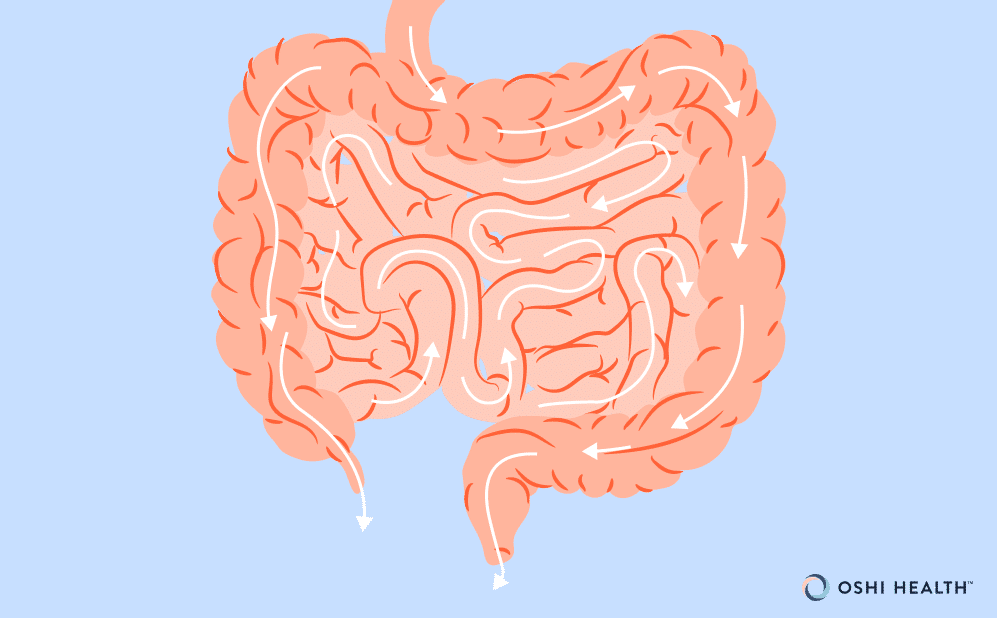
There are several ways that constipation can cause lower back pain, and vice versa. When stool builds up in your lower colon, this can put pressure on your lower back and create a heavy feeling in your pelvis. Straining from constipation can exacerbate this pressure on the spine and lower back.
The lump of stool sitting in your lower colon can also place pressure on nearby nerves and cause referred pain (also called viscerosomatic convergence—which is certainly a mouthful). Referred pain is when something causes pain in one part of the body, but is felt in another. “The sensory nerves for the colon and lumbar spine ‘converge’ in the spinal cord,” explains Dr. Nguyen. “Sensations in the colon are then felt in the lower back.”
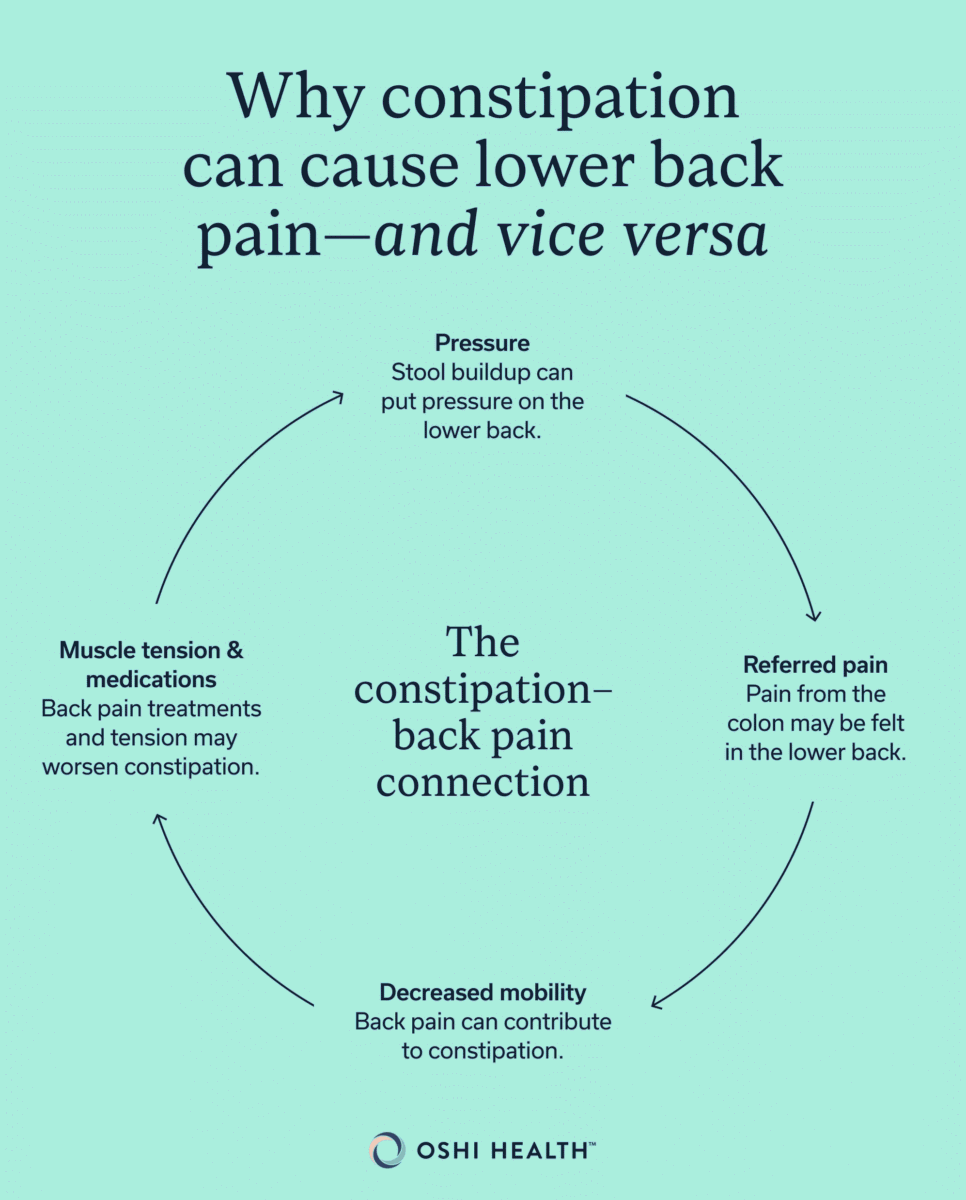
On the flip side, having back pain can also contribute to constipation. “Patients with chronic back pain can develop constipation due to decreased mobility, medications, and tensing of the hip and pelvis muscles,” says Dr. Nguyen.
Constipation and back pain symptoms to look for
If your back pain is due to constipation, then it goes without saying that you’re going to have to be constipated first. Constipation is defined as having less than three bowel movements in a week.
Common symptoms of constipation include:
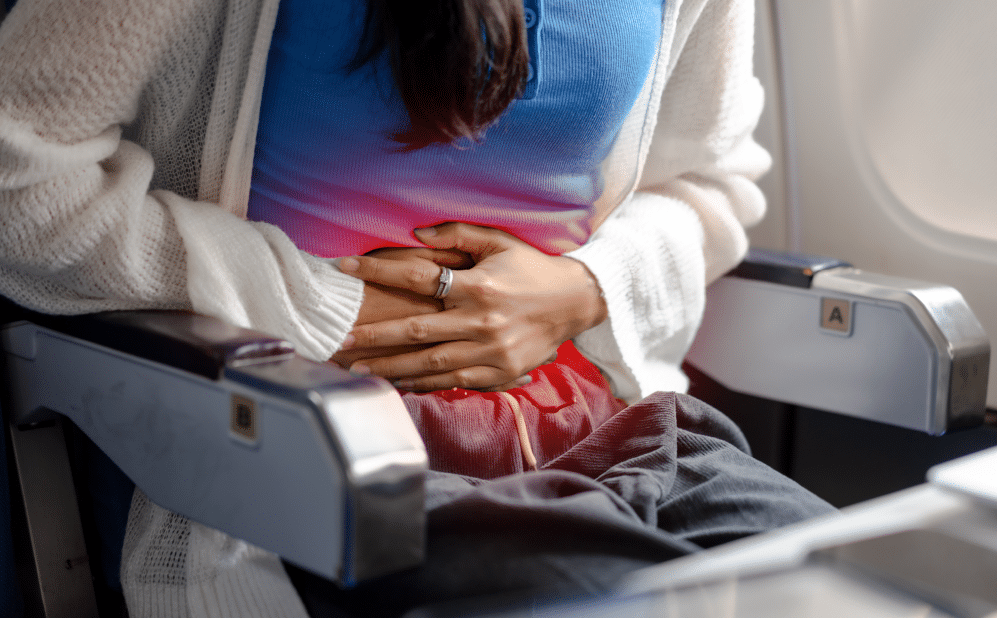
- Bloating, gas, or abdominal cramps
- Difficulty, straining, or pain when passing stool
- Lumpy or pellet-like stool
- Sensation of incomplete emptying after passing stool
- Stool that’s hard or dry
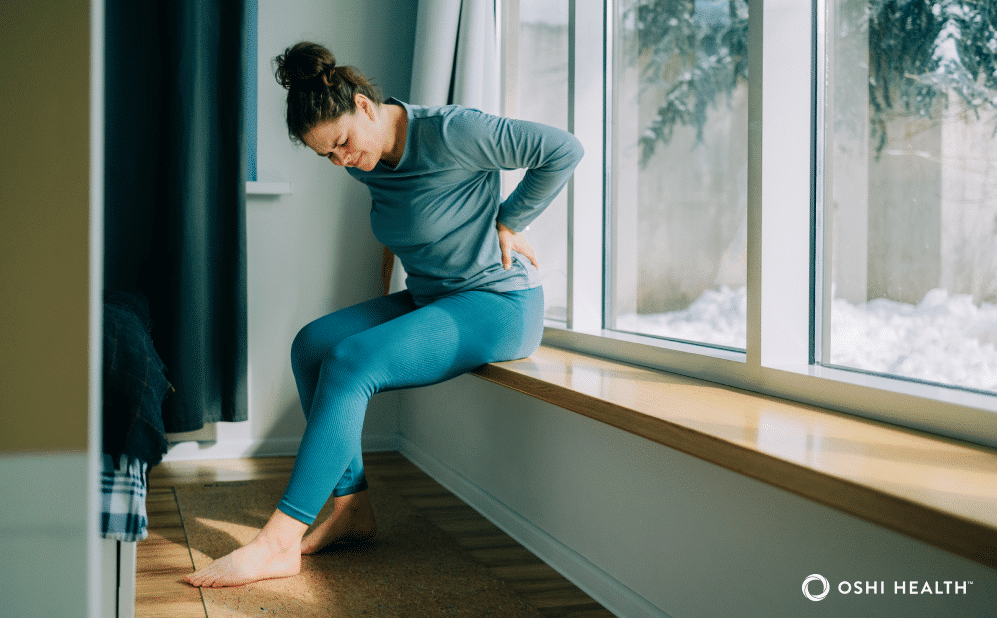
Back pain that’s caused by constipation usually feels like a dull ache or sense of pressure in the lower back. It doesn’t typically radiate down the leg (like sciatica), or worsen with activity, according to Dr. Nguyen.
Most people with back pain caused by constipation say that their pain is relieved by successfully passing a bowel movement.
When back pain and constipation may not be directly related
There are also some situations where back pain and constipation aren’t directly related, but rather both result from a third factor (insert the meme of three Spidermen pointing at each other in confusion!).
Some examples of back pain and constipation being caused by a third factor include:
- Diabetes: Repeated episodes of high blood sugar from diabetes can damage your nerves, and cause both constipation and back pain (among other symptoms).
- Herniated disc: A herniated disc is when one of the soft cushions between your vertebrae slips out of place. This can cause pretty intense back pain. It can also contribute to constipation through interrupted nerve signals, pain medication, or lack of movement.
- Hypothyroidism: An underactive thyroid can cause constipation, and is also associated with low back pain.
- Lack of physical activity: If you’re not getting enough physical activity, then this can worsen constipation. Being sedentary and losing strength, flexibility, and mobility can also contribute to back pain.
- Medication-related constipation: Some medications that you might take for pre-existing back pain can cause constipation as a side effect.
- Neurologic conditions: Many conditions that affect your nerves (such as Parkinson’s disease, multiple sclerosis, stroke, or spinal cord injuries) can cause both back pain and constipation as a result.
- Poor posture: Slouching, hunching, or sitting in odd positions can cause back pain. Poor posture (especially when you’re sitting on the toilet!) can also promote constipation.
- Pregnancy: Being pregnant is known to cause both constipation and back pain, due to shifting hormones as well as your new center of gravity.
Fecal impaction and more serious constipation
Fecal impaction is a severe type of constipation, when hard stool gets stuck in the rectum or colon and becomes nearly impossible to pass naturally. It most commonly affects elderly individuals, those with limited mobility, chronic constipation, or people taking medications that slow bowel motility (opioids, anticholinergics, GLP-1 receptor agonists, anti-nausea medications such as ondansetron, and iron supplements).
Back pain that’s associated with fecal impaction often feels stronger, with a greater sense of pressure and fullness.
Some constipation danger signs, that might indicate a fecal impaction, include:
- Abdominal pain
- Diarrhea or leakage (passing around the blockage)
- Nausea
- Rectal bleeding
- Severe bloating
Medical treatment is required to resolve fecal impaction. You might need to make a next-day appointment with your GI provider for personalized advice. Alternatively, head to urgent care in your local area.
How to relieve lower back pain from constipation
If your lower back pain is being caused by constipation, then addressing your constipation should relieve your pain. Usually, this is done with a combination of lifestyle and diet strategies, and medication.
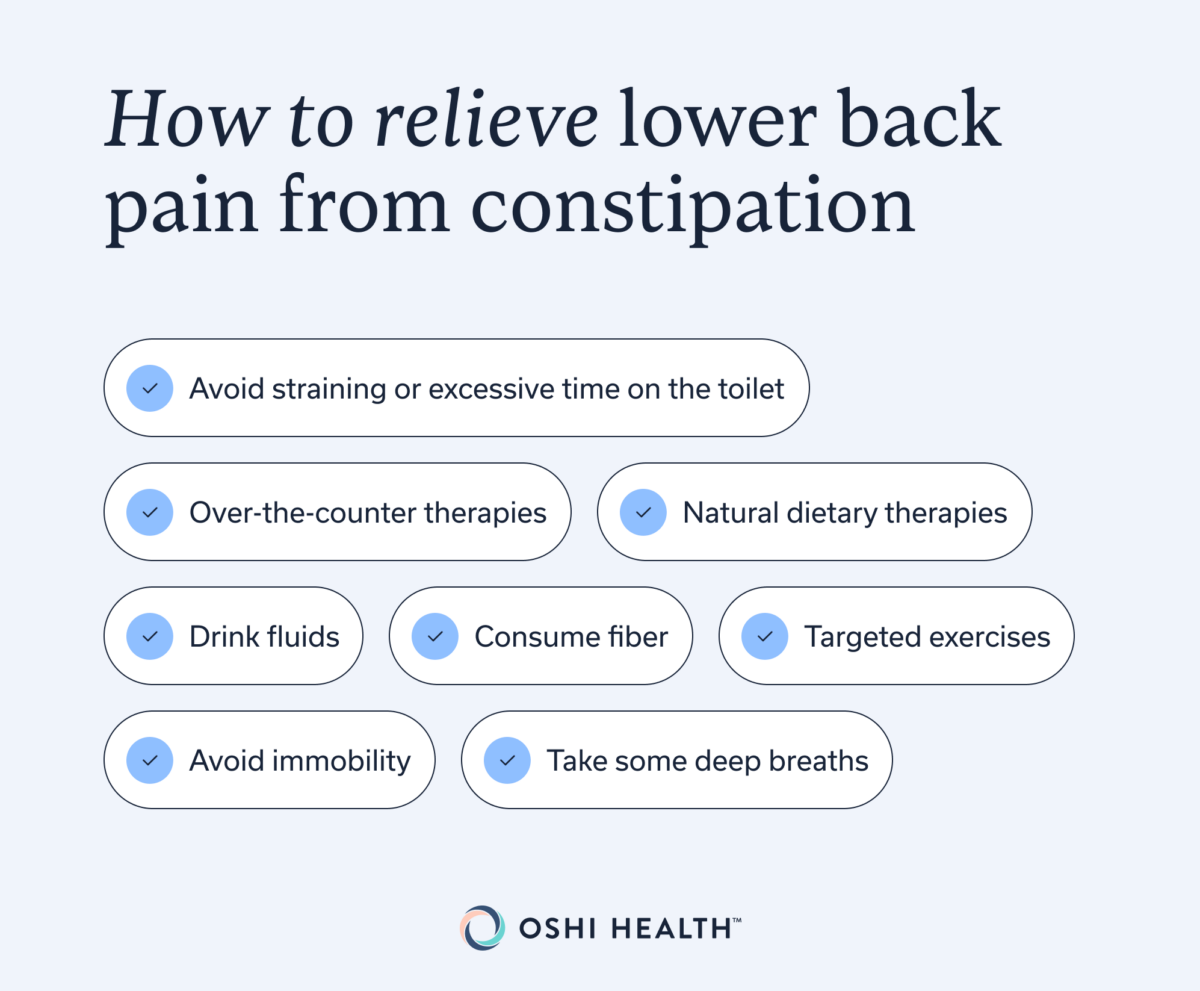
Some treatments that can relieve constipation include:
- Avoid immobility: Stay active, if you can. “In general, immobility worsens constipation and can cause back muscles to stiffen and worsen pain,” says Dr. Nguyen. Your primary healthcare provider and physical therapist, if you’re seeing one, can advise on this as well.
- Avoid straining or excessive time on the toilet: Dr. Nguyen recommends spending no more than 10 minutes sitting on the toilet at one time. This can worsen constipation and back pain, as well. Squat assist devices (sometimes called “squatty potties,” but footstools work, too) can help relax your pelvic floor and make bowel movements easier.
- Consume fiber: It’s recommended to aim for 25 to 30 grams, or more, of fiber per day. Soluble fiber is a much better option for aiding constipation than insoluble fiber. You can buy over-the-counter soluble fiber supplements like psyllium husk and guar gum.
- Drink fluids: Be sure that you’re also drinking plenty of fluids daily. “Fiber without fluids can worsen constipation,” warns Dr. Nguyen.
- Natural dietary therapies: There’s evidence that some specific high-fiber foods can help relieve constipation. According to Dr, Nguyen, these include: two kiwis per day, 12 prunes per day, or 15 grams of nopal cactus.
- Over-the-counter therapies: Occasionally using over-the-counter laxatives, like senna or bisacodyl, can help relieve one-off episodes of constipation. Polyethylene glycol (PEG) can be taken daily, according to Dr. Nguyen, especially if you need to take pain medication for your back, as this can help prevent constipation. However, if you are taking PEG daily then it’s definitely worth being evaluated by a GI professional to make sure there are no red flags.
- Take some deep breaths: Diaphragmatic breathing, in which you engage your diaphragm muscle to breathe deeply, can help with constipation and also ease stress and anxiety associated with not being able to poop, according to Dr. Nguyen.
- Targeted exercises: The general recommendation is to get at least 150 minutes per week of aerobic exercise, and keeping up with this can help with constipation. Certain exercises—like core strengthening or hip flexor stretches—can relieve back pain and constipation.
Movement, exercise, and diet can help with both back pain and constipation. But sometimes, the symptoms you’re dealing with make this hard to accomplish, and that’s understandable. In those cases, it’s OK to take medication.
“Taking medications is not a failure,” says Dr. Nguyen. “Sometimes you need to take medications to help get things going so you can do the exercises and stretches.”
Consider making an appointment and working with a GI provider at Oshi Health to review your symptoms and history, and get personalized recommendations.
Back pain relief while constipation improves
If you’ve experienced constipation in the past, then you probably know that it can take some time to resolve. If your back continues aching in the meantime, then the following strategies might ease your discomfort:
- Apply heat or ice to the low back
- Avoid long periods of bed rest
- Be aware of pain medications and their side effects, which can worsen constipation
- Engage in gentle stretching, if tolerated
- Seek guidance from a health professional if pain is limiting your normal activity
- Try out light movement, like walking or yoga, to support gut motility
Diagnosis and testing: finding the underlying cause
For some people, constipation is a one-off situation, but for many others it can become a severe or chronic issue. If you’re dealing with new onset constipation or back pain, or experiencing constipation on a regular basis, then it’s important to see a GI provider so you can uncover (and treat) your underlying cause.
Your GI provider will usually start by asking you about:
- Any recent changes in your stools
- Bowel habits (such as consistency and frequency)
- Diet
- Fluid intake
- Medical history
- Medications and supplements
Be sure to also mention your back pain at this point, including where it’s located, how it feels, when the pain started, and anything that improves or worsens it.
Depending on your unique situation—including your age, symptoms, and any red flags—your GI provider may recommend additional tests such as:
- Blood work
- Imaging
- Stool tests
- Colonoscopy or colon cancer screening
Colon cancer screening can sound especially scary, but it’s important to rule out. As the third most common cancer worldwide, colon cancer is very treatable if it’s identified early.
The recommendation for colon cancer screening now starts at age 45. “Someone with new onset constipation at age 45 [or over] who has never had a screening colonoscopy or other form of colorectal cancer screening should be evaluated,” says Dr. Nguyen.
When to seek care, and how Oshi Health can help
If you’re experiencing constipation (less than three bowel movements per week) on a regular basis, then it’s definitely worth reaching out to a GI care team, like Oshi Health.
Oshi Health offers multidisciplinary support for constipation, bloating, abdominal pain, and many other GI symptoms and conditions. Your care plan might include advice on diet changes, medication, testing, and gut-brain factors.
Your clinician can also help you determine when in-person care is needed.
Some constipation-related red flags, that indicate the need for an urgent evaluation, include:
- Anemia
- Fever
- Loss of bowel control
- Progressive worsening of constipation
- Rectal bleeding
- Vomiting
- Weight loss
Your back pain can also have its own red flags. These include:
- New or sudden weakness
- Numbness or tingling
- Pain shooting down the legs
- Urinary or fecal incontinence
Key takeaways
- Constipation can cause back pain due to pressure and weight in your lower colon, straining, and referred pain.
- Back pain can also contribute to constipation, due to pain medication side effects, muscle tension, and lack of movement.
- If your back pain is caused by constipation, then passing a bowel movement should relieve the pain. If the pain continues, it’s likely that it has a different cause.
- Oshi Health’s GI clinicians can help diagnose and treat your constipation, so that you pass healthy bowel movements, start feeling better, and relieve your pain.
Frequently asked questions (FAQs)
Can constipation cause lower back pain?
Yes, back pain that’s caused by constipation typically occurs in the lower back region. This is due to the location of the colon and rectum, where stool collects during constipation, as well as the convergence of nerves in the spine that supply both the colon and low back.
How do I know if my back pain is from constipation?
There are a few major clues that your back pain is from constipation. First, you must already be constipated, which means passing less than three bowel movements in a week. Additionally, when you do finally pass a bowel movement, your back pain will resolve.
How can I relieve lower back pain from constipation?
Lower back pain that’s caused by constipation will go away once you pass a bowel movement. To relieve constipation, it’s recommended to drink plenty of water, exercise gently, eat fiber or take soluble fiber supplements, take over-the-counter laxatives or medications, and more.
When should I worry about constipation and back pain?
If your constipation or back pain is affecting your daily life and ability to do the things you want and need to do, then it’s time to talk to a healthcare provider, like the GI clinicians at Oshi Health. Extra concerning signs that indicate you should seek urgent evaluation include rectal bleeding, unexplained weight loss, vomiting, radiating pain, numbness and tingling, sudden weakness, or incontinence.
Oshi is your partner in digestive health
Feel like your digestive concerns are running your life? You’re not alone—and we’re here to help you find lasting relief.
Oshi Health GI providers, gut-brain specialists, and registered dietitians work together to address your symptoms and find solutions that actually work for you.
Whether you’re dealing with chronic digestive issues or unpredictable symptom flare-ups, our GI specialists deliver:
✔ Personalized care plans tailored to your lifestyle
✔ Science-backed strategies to calm your gut
✔ Compassionate, whole-person care
✔ And so much more!
Ready to take control of your gut health?