
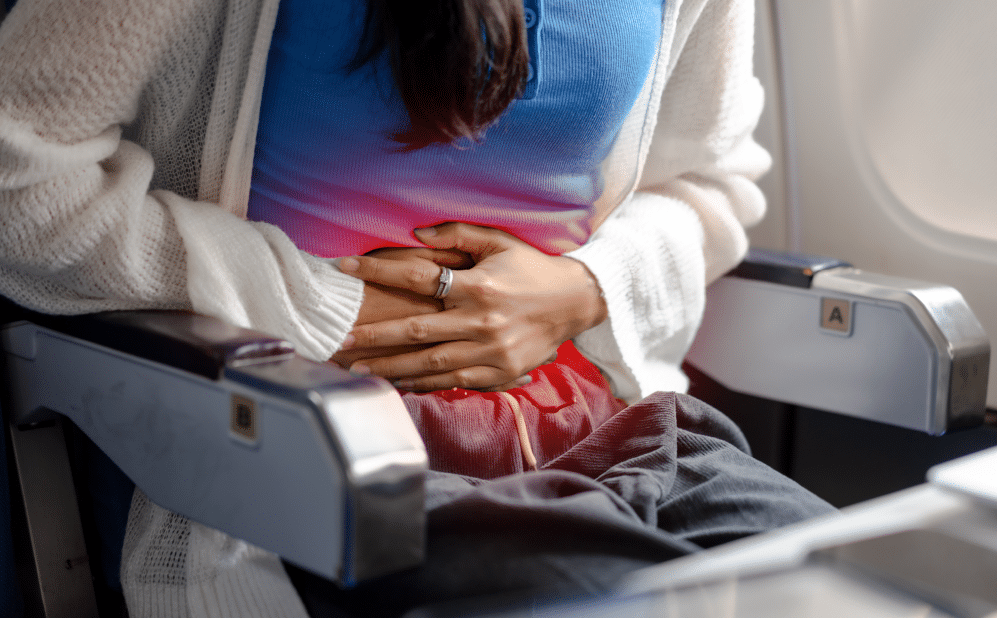
Vacations are supposed to be about relaxation and new experiences. But for people with gastrointestinal (GI) concerns, travel can bring up digestive symptoms, like diarrhea, constipation, and bloating. Travel can end up feeling like a balancing act between enjoying yourself and managing your symptoms.
But with some planning, your digestive system doesn’t have to control your entire trip.
The hidden emotional toll of traveling with GI symptoms
Travel often means disrupted routines, unfamiliar foods, and long days on the move—all of which can affect your digestion.
“When we’re traveling, our schedule is usually different. We’re likely eating at different times, our physical activity, hydration, and our bathroom schedule are all likely impacted. Even changes in daily cues can make a difference for your bowels. For instance, if you always have your coffee in the car on the way to work and then have a bowel movement, not having the cues of the coffee in the car and getting to work, even just a different bathroom situation, all of that can make it more challenging for your body to stay on schedule and relax into your normal bowel movement pattern,” says Emily Wyckoff, PhD, clinical psychologist and gut-brain specialist.
For many people, the uncertainty of travel comes with a lot of anxiety, too.
You might worry about:
- Not knowing where the nearest bathroom is
- Having symptoms on a flight or road trip
- Symptoms happening in public
- Eating out at restaurants
- Needing to change plans because of unpredictable symptoms
And because there’s a strong connection between the gut and the brain, stress can worsen digestive symptoms—and vice versa. This can create a cycle that’s especially noticeable when you’re away from home.
“The stress of travel (packing, airports, traffic, etc) can get to our gut by triggering our fight-or-flight, sympathetic nervous system response,” says Dr. Wyckoff.
And even if you’re a frequent traveler, that doesn’t necessarily mean you’re off the hook, digestion-wise. Jet lag can put physical stress on the body—and your body can’t tell the difference between emotional and physical stress. Plus, you can still face anxiety over airport logistics and delays.
“Chronic low-grade stress can have a big impact on digestion. Our stress response is much more like a dimmer than an off/on light switch. That low-grade chronic stress means that your body is constantly not digesting as well as it could. Because of the gut-brain connection, chronic stress means that things just aren’t going to be moving along as they should through the digestive system,” says Dr. Wyckoff.
Travel strategies from a GI expert
While you can’t always prevent symptoms, you can rely on a few strategies to help you feel more prepared and confident on the go.
Stick with what works
Vacation isn’t the best time to experiment with a new diet or supplement. Instead, stick with your usual routine that you know helps you feel your best.
That doesn’t mean you can’t enjoy local foods or special meals. But if certain foods regularly trigger symptoms, it may be worth thinking twice before making them a daily part of your vacation.
Travel often disrupts the habits that help keep your digestion on track.
Try to prioritize:
- Staying hydrated
- Getting enough sleep
- Eating regularly
- Taking your medications as prescribed
Create a contingency plan
Having a backup plan can reduce some travel-related anxiety.
Before your trip, think about:
- Packing all your medications in your carry-on bag
- Bringing extra medication in case of travel delays
- Packing familiar, gut-friendly snacks
- Researching pharmacies near where you’re staying
Even if you never need to dig into your plan B arsenal, knowing you’ve prepped can give you peace of mind. But Dr. Wyckoff cautions against getting too obsessive over planning ahead.
“Rather than mapping out all the bathrooms along the way, remind yourself that you can find this information on your phone in moments if needed. We often need to practice some acceptance around the things we can’t control. When there is a flight delay or bad traffic, we can’t control that, but we can control our reaction. Take some deep breaths and keep things in perspective. A delayed arrival is typically not a huge deal. Try to roll with the waves rather than fighting them,” she suggests.
Prep your mental toolkit
“Self-talk and relaxation strategies can go a long way here. Remind yourself of your ability to cope with situations where you need to use the bathroom. It is easy to focus on the worst-case scenario- and most people can get through these situations better than they realize. For instance, if you are worried about there being a long line for the bathroom, think about how understanding you would be if someone nicely asked to cut in line due to a bathroom emergency- even if you have some urgency, people can usually navigate the situation better than they think,” says Dr. Wyckoff.
Another item to include in your toolkit is diaphragmatic breathing, also known as belly breathing. “It can help you get through the feeling of urgency without having to use the bathroom at all,” shares Dr. Wyckoff.

Talk to your travel buddies
Many people try to hide their digestive symptoms from friends and family. We get it. Opening up about your bathroom habits and needs can feel really vulnerable. But sharing your needs with trusted travel companions can help you feel supported.
Let them know that you may need extra bathroom breaks, flexible meal options, or occasional downtime. And remember, you don’t have to share every detail if you’re not comfortable. Even a quick heads-up can help prevent misunderstandings and friction.
What if symptoms flare during my trip?
Even with careful planning, flare-ups can happen. If they do, try not to think of your vacation as ruined. Focus on what you can control.
Dr. Wyckoff recommends mindful breathing to help regulate your nervous system. “Focus on how the breath feels in your body—the sensation of air coming into the nostrils, air going down the back of the throat, the belly rising and falling. Tuning into these body sensations puts us in the present moment, in our sensory experience, which helps to calm the mind and nervous system even more than belly breathing alone.”
And remember that one hard day doesn’t define the whole trip.
Compassionate travel for your gut
Living with digestive symptoms means you might need a little extra planning when you travel. But your vacation doesn’t have to revolve around your GI system.
With the right tools, a flexible mindset, and some self-compassion, you can enjoy your time away to the fullest—even if your gut doesn’t act perfectly the whole time.
Struggling with travel-related digestive issues? Oshi can help. Book your first virtual visit today.
Oshi can help heal your gut-brain connection
When anxiety hits, your stomach often feels it first. If your digestive issues flare up with stress or worry, you’re not imagining it.
Whether you’re facing daily discomfort or unpredictable flare-ups, Oshi gut-brain specialists can help you:
✔ Understand how stress and emotions impact your gut
✔ Find personalized solutions that fit your lifestyle
✔ Calm your digestive system with science-backed strategies
✔ And so much more!
Ready to feel better from the inside out?