



The vagus nerve is an important communication hub for the brain, gut, and other internal organs. When it’s damaged or not functioning as intended, you may experience a variety of symptoms, including troubles with digestion. Here’s how to tell when your gastrointestinal (GI) symptoms stem from vagus nerve damage or something else.
The vagus nerve runs from the brain to a variety of internal organs. When it’s damaged or not working as intended, it can lead to an array of symptoms, including difficulty swallowing, heart rate changes, irritability, and even common gut symptoms (think: constipation, diarrhea, nausea, bloating, etc.).
That said, those vagus nerve damage symptoms could also be from a lot of other medical conditions, which is why it’s hard to tell when the vagus nerve or something else is to blame. Continue reading to learn: What is the vagus nerve, anyway? Plus, how to tell if it or something else is causing your symptoms.
What is the vagus nerve and what does the vagus nerve do?
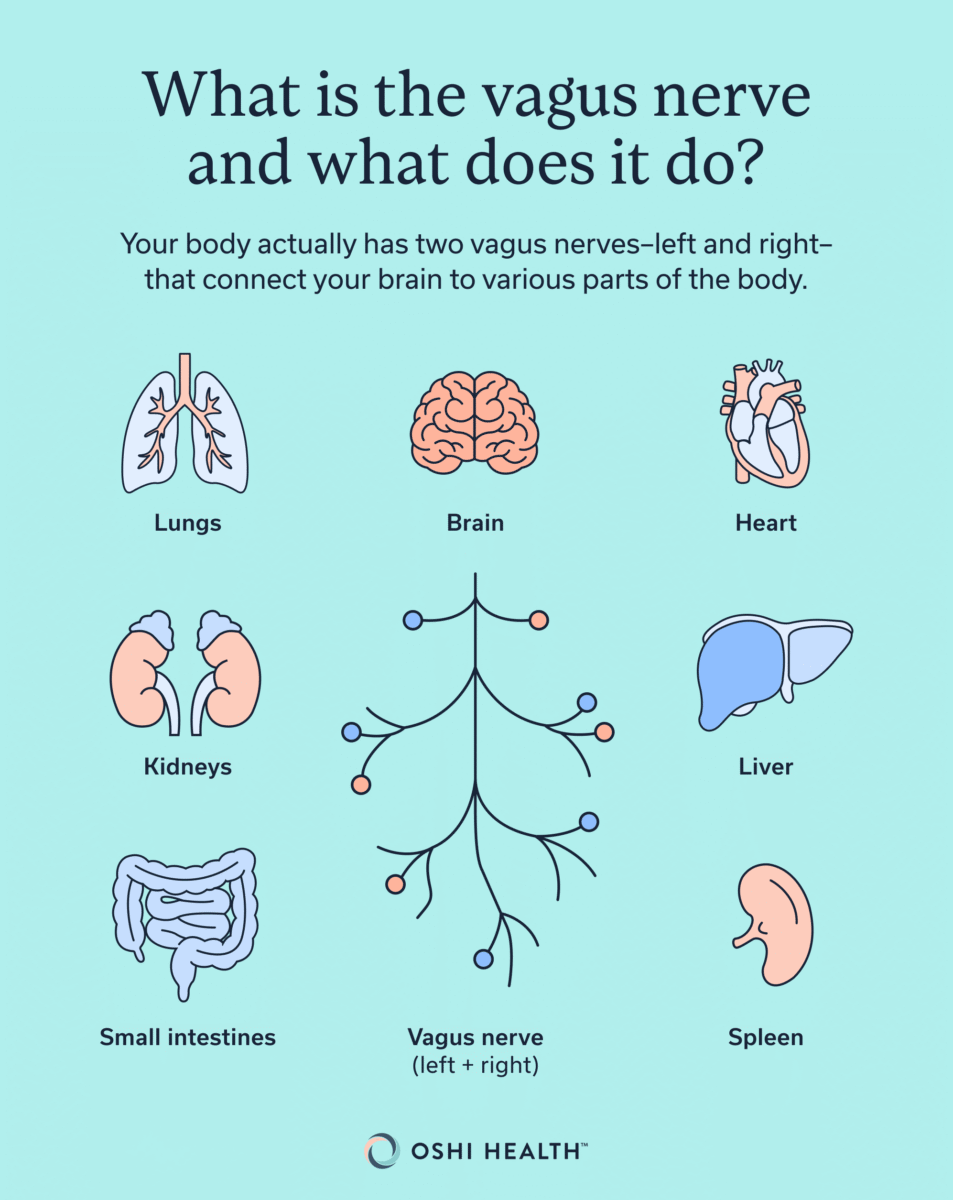
“The vagus nerve is a long nerve that runs from your brain through your internal organs,” says Victoria Murray, LCSW, PMH-C , a licensed therapist in Colorado, New York, and New Jersey. Your body actually has two vagus nerves-left and right–that start at the brain, travel down into the throat, and into organs in the chest and abdomen.
Vagus is actually Latin for “wanderer” which is fitting as this nerve connects the brain to various parts of the body:
- Heart
- Kidneys
- Liver
- Lungs
- Small intestines
- Spleen
But this nerve isn’t a solo wanderer. It’s part of the parasympathetic nervous system, which is nicknamed”rest and digest.” This system is responsible for the involuntary bodily functions that help you–you guessed it– rest and digest . In this system, the vagus nerve acts as a bidirectional communication channel where messages are sent back and forth between the brain and other internal organs.
“The vagus nerve carries input both ways,” explains Murray, “meaning that your brain can signal to your body, and the brain also receives input from the body through your vagus nerve.”
And one part of the body that loves to communicate via the vagus nerve is the gut. In fact, the vagus nerve is the literal connector in the gut-brain connection. You can probably name a time when you felt this connection in the past month or so. For example, I recently felt anxiety before a long car ride (I hate driving), which made me a tad nauseous and significantly decreased my appetite.
Basically, the vagus nerve carries signals between the gut and the brain. That’s why stress can send digestion into a tailspin–and why an upset gut can affect how you feel emotionally.
Most common causes of vagal nerve damage
Because the vagus nerve is so far-reaching, there are many potential reasons for vagal nerve damage. Plus, a handful of conditions can also mimic it, which we’ll go into below. For now, here are some common causes:
- Surgery in the stomach, small intestine, or other nearby organs
- Diabetes, though this condition may also mimic symptoms of vagus nerve damage without actually causing it too
- Certain viral infections
- Surgical trauma to the heart
- Idiopathic, which stands for unknown causes
The last cause is a bit frustrating, but researchers are still looking into why vagus nerve damage occurs.
Vagus nerve damage symptoms to know
Vagus nerve damage might be better thought of as vagus nerve dysfunction. The latter is an umbrella term for when either the nerve itself is damaged or something isn’t quite right with how it’s operating.
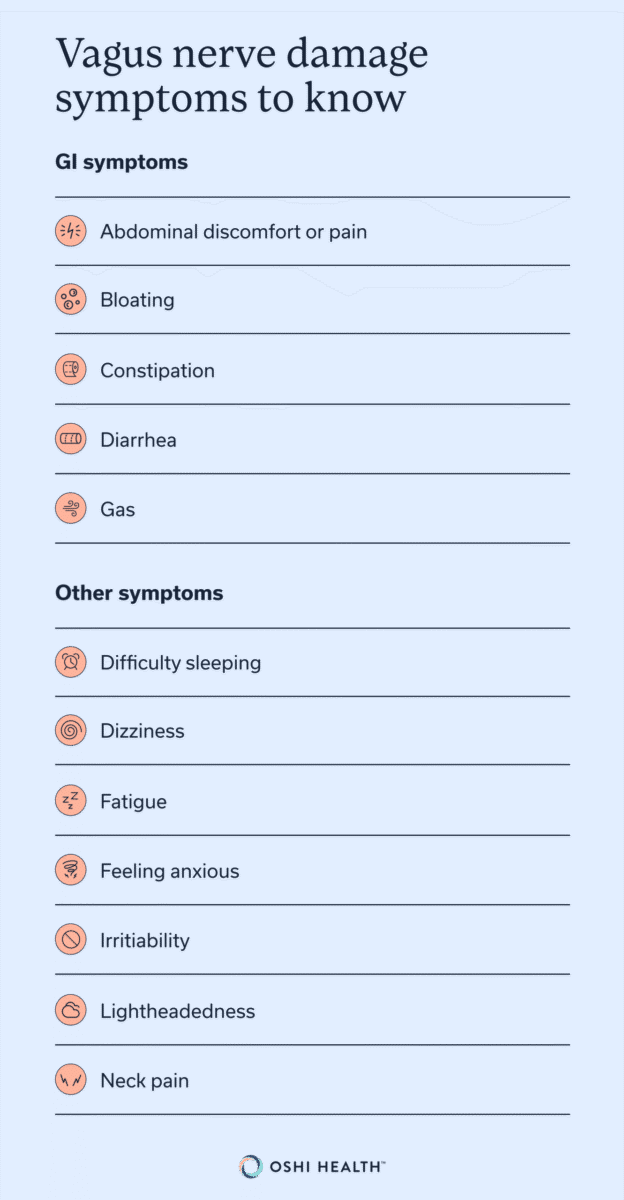
Since the nerve travels through so many different body parts, vagus nerve dysfunction symptoms are quite varied. Some common ones include:
- Difficulty sleeping
- Dizziness
- Fatigue
- Feeling anxious
- Irritability
- Lightheadedness
- Neck pain
Digestive symptoms that may raise concern
Along with the symptoms above, vagus nerve dysfunction can also impact digestion (remember how it’s part of rest and digest?). Murray’s clients commonly discuss GI symptoms related to stress and vagus nerve dysregulation, such as:
- Abdominal discomfort or pain
- Bloating
- Constipation
- Diarrhea
- Gas
Because the vagus nerve helps control the speed at which food moves through the digestive tract, dysfunction may lead to gastroparesis, a condition where gastric emptying is delayed. Gastroparesis can cause the symptoms above, as well as others, such as nausea, a loss of appetite, vomiting, or feeling full earlier than usual when eating.
Other causes that can mimic vagus nerve problems
The GI symptoms of vagus nerve problems are nonspecific. This means they could be due to many other causes, including but not limited to:
- Diabetes: This metabolic condition is actually the most common cause of gastroparesis, meaning it may have symptom crossover with vagus nerve problems.
- Irritable Bowel Syndrome (IBS): This chronic GI condition affects how the GI tract functions, leading to symptoms like the ones listed above. And IBS’ list of possible symptoms can go beyond the gut too. A 2023 review of the literature on IBS, for example, estimates up to one third of people with IBS also have anxiety.
- Inflammatory Bowel Disease (IBD): This is an umbrella term for conditions that cause chronic inflammation in the GI tract, resulting in similar GI symptoms. Two common types of IBD are Crohn’s disease and ulcerative colitis.
- Generalized anxiety disorder: Along with potentially contributing to vagus nerve dysfunction, anxiety on its own may lead to emotional and GI symptoms that align with those listed above.
- Medications: Some medications, including antidepressants and GLP-1s, list gastroparesis as a potential side effect.
- Other metabolic conditions: Similar to diabetes, other metabolic conditions, like obesity, may lead to gastroparesis.
Vasovagal response vs. vagus nerve damage
Another thing that can seem like vagus nerve damage but isn’t? Vasovagal response. That’s when the vagus nerve reacts to temporary triggers, such as dehydration, seeing blood, being in extreme heat, or standing too long. This response slows the heart rate and widens blood vessels, leading to dizziness, tunnel vision, nausea, or feeling sweaty. In some cases, someone may faint or pass out, which is referred to as vasovagal syncope. A vasovagal response is a temporary episode in response to a specific trigger. It doesn’t mean the vagus nerve is damaged, and it isn’t a likely cause of ongoing mental health or digestive symptoms.
To make matters even more confusing, the above list isn’t even a complete readout of conditions that may cause these symptoms. All this to say, vagus nerve problems aren’t something you can self-diagnose. If you’re experiencing the symptoms above, see a qualified healthcare provider who can assess and diagnose any underlying conditions. If you’re experiencing GI symptoms, the recommended healthcare provider should be a gastroenterologist or other GI provider.
When to seek care
As we’ve mentioned, vagus nerve problems cannot be self-diagnosed. To understand what’s really going on, schedule an appointment with a healthcare provider.
Signs that a GI provider may be the appropriate expert include:
- Abdominal pain
- Black stools or blood in stool
- Loss of appetite
- Ongoing digestive symptoms of any kind that disrupt daily life
- Persistent nausea
- Struggling for weeks to keep food down
- Vomiting
Seek emergency medical care if symptoms make it difficult to get out of bed, if there are sudden and drastic heart rate changes or chest pain, or if you feel faint (or someone passes out and is unconscious).
How healthcare providers evaluate possible vagus nerve problems
When evaluating a possible vagus nerve problem, a healthcare provider will review your medical history, including current medications, chronic conditions, and prior surgeries. They may ask questions about what symptoms someone is experiencing, as well as when they occur and any triggers.
From there, they may order appropriate diagnostic tests, such as an ECG (electrocardiogram) which assesses heart rate and rhythm, or magnetic resonance (MRI) of the GI tract.
Often, the initial assessment is done by a primary care provider who then refers a patient to an appropriate specialist. If experiencing primarily GI symptoms (or GI symptoms that interfere with everyday life), it may make sense to head straight to a GI provider, such as Oshi Health.
Treating a possible vagus nerve issue
“Recovering from vagus nerve damage requires ongoing attention and focus,” explains Murray, “There is no ‘quick fix.'”
The road to recovery starts with an accurate diagnosis. This helps you understand what’s going on, and a healthcare provider can help treat the underlying cause. Treatment itself will vary quite a lot (ranging from therapy to medication to dietary changes and more), depending on what’s causing symptoms.
If experiencing digestive symptoms, for example, a GI provider will tailor treatment to the specific condition found. At Oshi Health, we recognize that gut health has a ripple effect, so treatment may involve working with a GI provider, a GI-focused registered dietitian, and a gut-brain specialist.
A gut-brain specialist is a trained mental health professional with additional training in the gut-brain connection. They can address both aspects of any GI or mental health symptoms, as well as provide stress management techniques and lifestyle changes that directly target this connection.
Vagus nerve stimulation: What it is and what it isn’t
If there is vagus nerve dysfunction or damage, a gut-brain specialist or other licensed therapist may offer vagus nerve stimulation practices. Vagus nerve stimulation may help with vagus nerve damage, as well as other conditions, like anxiety or chronic stress, that disrupt the nervous system.

When looking at how to stimulate the vagus nerve, many of the therapist-recommended strategies are free and readily available. Vagus nerve stimulation strategies Murray’s clients often find useful include:
Murray says these activities either directly stimulate the vagus nerve (i.e. singing or humming) or indirectly stimulate it by calming down internal bodily functions and signaling to your brain and nervous system that it can relax (i.e. yoga or meditation).
“These strategies can be especially effective if you have experienced recent or ongoing trauma, or are dealing with significant stress,” she explains, “Incorporating them into your daily routine can be important for maintaining optimal vagus nerve functioning, and therefore healthy digestion.”
In rare scenarios, a medical doctor may recommend a vagus nerve stimulator, an implantable pulse generator that consistently stimulates this nerve. These devices, however, come with side effects like an increased risk of infection and voice hoarseness, and they’re typically not for vagus nerve disorders–which means, yes, the name is a bit deceiving. Instead, they are most often recommended for epilepsy or severe depression, which may negatively impact vagus nerve functioning.
Key takeaways
- The vagus nerve is an important bidirectional communication channel between the brain and organs. It is part of the parasympathetic nervous system, aka rest and digest processes.
- If there is structural damage or ongoing dysfunction in the vagus nerve, it can lead to a variety of symptoms, including gastrointestinal symptoms. GI symptoms may include digestion, constipation, abdominal pain, bloating, passing more gas than usual, feeling full early, or nausea.
- These GI symptoms may also stem from other conditions, such as IBS or IBD. The only way to know what’s going on is to consult a medical professional, ideally a GI provider like the team at Oshi Health.
Frequently asked questions (FAQs)
-
The vagus nerve is a nerve in the parasympathetic nervous system that connects the brain to various internal organs. There are actually two vagus nerves, known collectively as vagal nerves, and they play a role in”rest and digest” processes.
-
Vagus nerve damage symptoms are far-reaching. They may include mental symptoms such as anxiety or depression, anger, and trouble regulating emotions. Often, physical symptoms are present too, such as dizziness, an abnormal heart rate, digestive issues, and chronic fatigue. These symptoms, however, are nonspecific, meaning they may be due to other medical conditions too. The only way to know if vagus nerve damage is to blame is to get a diagnosis from a qualified healthcare professional.
-
There are many ways to safely stimulate the vagus nerve, such as humming, singing, yoga, meditation, or even laughing. Stress management techniques may indirectly affect the vagus nerve too, since they may calm the nervous system, indirectly impacting the vague nerve.
Deep dive recommendations
If you’d like to learn more about the vagus nerve, here’s some recommended reading.
- Cleveland Clinic. Vagus nerve.
- National Institute of Diabetes and Digestive and Kidney Diseases. Gastroparesis.
- Gastroenterology. The Microbiota-Gut-Brain Axis: From Motility to Mood.
- The University of Arizona. The Vagus Nerve: Driver of Emotional and Physical Wellbeing with Stefan Chmelik, MSc.
Oshi is your partner in digestive health
Feel like your digestive concerns are running your life? You’re not alone—and we’re here to help you find lasting relief.
Oshi Health GI providers, gut-brain specialists, and registered dietitians work together to address your symptoms and find solutions that actually work for you.
Whether you’re dealing with chronic digestive issues or unpredictable symptom flare-ups, our GI specialists deliver:
✔ Personalized care plans tailored to your lifestyle
✔ Science-backed strategies to calm your gut
✔ Compassionate, whole-person care
✔ And so much more!
Ready to take control of your gut health?