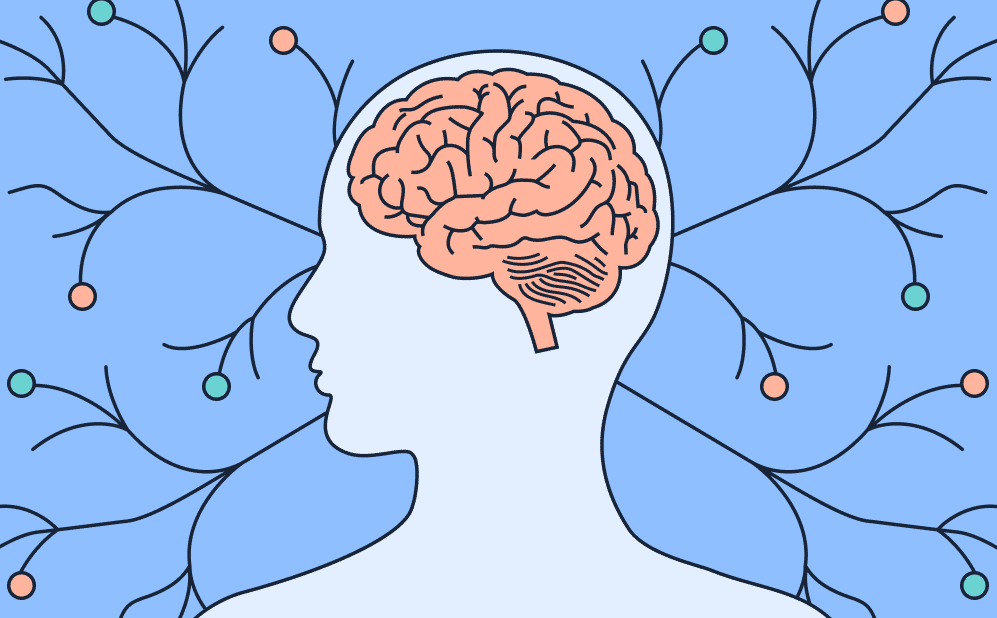


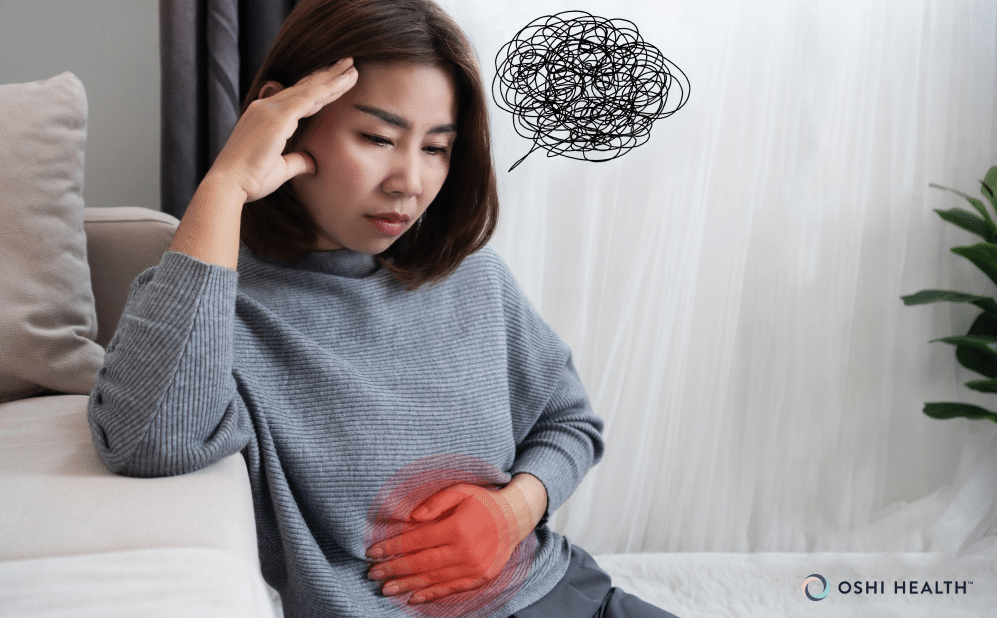
Your gut and brain communicate constantly with each other. So when stress strikes, your stomach can receive a strong punch too, leading to pain, general discomfort, or other symptoms. Thankfully, you can find ways to calm stress and calm your stomach’s reaction to it.
The usual symptoms of stress may be all-too familiar: You might grow hot and start to sweat, feel your heart race, take quicker breaths, and more. But can stress cause stomach pain? The short answer is yes.
Maybe stress leaves you feeling like your stomach and intestines have tied themselves into a tight knot. Thankfully, they aren’t in a literal tangle, but your gastrointestinal tract can react strongly to stress, anxiety, and other emotions. So you’re not imagining that knotted-up, twisty feeling.
In this article, we explore stress stomach pain, anxiety and stomach issues, how to calm yourself in the moment to ease symptoms, and more.
The gut-brain connection: Why stress shows up in your belly
At the heart of stress and stomach pain is the gut-brain connection. Your brain and your gastrointestinal (GI) tract communicate along the gut-brain axis. And this is why researchers refer to your gut as”the second brain.” When you’re stressed, anxious, or upset, your stomach knows it. To understand why, we have to dig into how the nervous system operates.
Your central nervous system (CNS) includes your brain, your spinal cord, and your autonomic nervous system (ANS). Your ANS controls the involuntary processes in your body. It manages your heart rate, blood pressure, breath rate, digestion, and even sexual arousal.
Your ANS has three branches:
-
Sympathetic nervous system (SNS): This is your”fight-or-flight” system, or your stress response.
-
Parasympathetic nervous system (PNS): This is your”rest-and-digest” system, or your calm response.
-
Enteric nervous system (ENS): This is an extensive network of millions of nerve cells along your GI tract’s walls. It controls digestive functions. Your ENS works independently and in coordination with your SNS and PNS.
How these nervous system branches affect each other
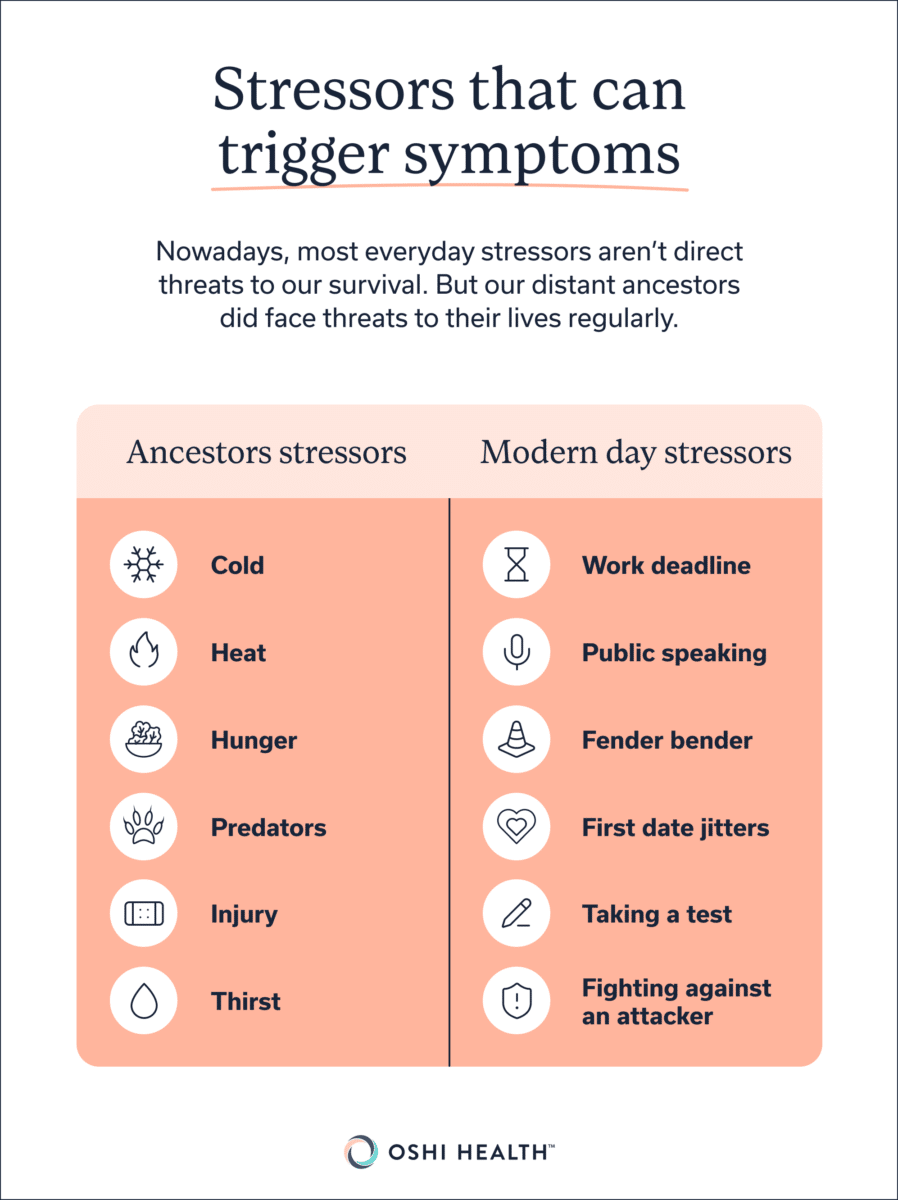
We all know the feeling of fight-or-flight mode or when your SNS is activated. You feel hot and sweaty, your heart rate ratchets up, and you breathe more rapidly. This is your stress response in action. You might have noticed it the last time you had to speak in front of a large group, went on a first date, had to take a test you were nervous about, or had a near miss, such as swerving to avoid a fender-bender during rush-hour traffic.
Rest-and-digest mode may feel a little less obvious. But your PNS is activated when you feel generally calm. Your heart rate and breath rate are at your usual baseline. Maybe you’re chilling on the sofa with your dog, hanging out with your book club pals, or doing one of your favorite hobbies, such as gardening.
Your stress response and your calm response act a bit like a switch. When you toggle into fight-or-flight mode, your body basically”turns off” rest-and-digest mode. This is a survival mechanism to respond to threats.
Nowadays most everyday stressors, such as having a work deadline, aren’t direct threats to our survival. But our distant ancestors regularly faced threats to their lives, whether from predators or other dangers. As a survival mechanism, your body essentially turns off or slows down the functions it doesn’t really need in a stressful moment so it can direct all your energy toward managing the potential threat.
Since your enteric nervous system works so closely with your rest-and-digest mode, your stress response practically shuts down digestion until the stress passes. This slowing of your rest-and-digest system and your enteric nervous system can wreak havoc on your gut.
You might experience stomach pain, general discomfort, or other GI symptoms, including nausea, vomiting, constipation, bloating, gas, diarrhea, or a combination.
Normal stress vs. chronic stress, hypervigilance, and negative feedback
A stressful moment might come and go, resolving any GI discomfort quickly. For example, you might have the jitters, and therefore butterflies in your stomach, before a first date, at the start of a race, or when speaking up in a work meeting. But then you settle into the moment and feel fine. In other cases, though, stress can be ongoing, leading to chronic or intermittent GI upset.
Chronic stress
In our day-to-day lives, a bunch of mini stressors and bigger ones can pile up faster than the laundry, leaving you in an ongoing state of stress, also known as chronic stress.
When chronic stress takes over, you experience more activation of fight-or-flight mode and less activation of rest-and-digest mode. However, your body operates best when you spend most of your time in rest-and-digest mode and less time in fight-or-flight. If you’re in a constant state of fight-or-flight, you can experience ongoing GI issues as a result.
Hypervigilance
Hypervigilance is when your body is constantly on high alert for potential threats even when you are safe. You’re always subconsciously monitoring your environment for threats. Hypervigilance can therefore also contribute to ongoing GI discomfort.
You might also be in a near constant state of fight-or flight if you’ve experienced past trauma or extremely stressful situations, including military combat, violence or being the victim of a crime, a natural disaster, and more.
Even though the traumatic incident or situation occurred in the past and is no longer ongoing, your nervous system can get”stuck” in fight-or-flight mode because you might be in a state of hypervigilance.
Negative feedback loops
If you experience stomach pain or other GI issues with stress, you might understandably start to anticipate that you will feel discomfort when stress shows up. This, in turn, can increase your stress level and make your symptoms even worse in a negative feedback loop.
Additionally, stress can actually cause an increased sensitivity with your nerves in a condition called visceral hypersensitivity. Visceral hypersensitivity is a chronic issue in which the usual functions of your digestive system or other organs cause pain due to this increased nerve sensitivity.
We have one more consideration regarding stomach pain and mental health. Your gut microbiome, the community of bacteria and fungi in the gut, can also play a role in stress. Brain signals resulting from stress can alter your gut microbiome, which may cause GI symptoms and bring about even more stress.
What stress-related stomach pain feels like
When stress shows up, you might feel a host of different symptoms, including the following:
-
Acid reflux or heartburn
-
Belching
-
Bloating or distention
-
“Butterflies” in the stomach sensation
-
Cramping
-
Gas
-
Knotting or tightening sensation
-
Pressure in your stomach
Consider keeping a journal to track when you’re experiencing these symptoms relative to stressful events. Tracking in this way can help you identify patterns, and if you decide to seek care, will also help your provider.

How to relieve stress-related stomach pain
If you have some of the symptoms noted above that you attribute to stress, then relieving stress may help relieve your abdominal discomfort. Here are some options to try.
Sleep
Getting about seven hours of good quality sleep is crucial for easing stress and regulating levels of cortisol, the” stress hormone.” If getting enough sleep is something you struggle with, consider ways to minimize noise and light pollution in your room and dedicate time for a pre-sleep routine that calms you. That might include taking a hot shower or bath, journaling, meditating, gentle stretching, and more.
Mindfulness meditation
Mindfulness-based meditation techniques have been shown to help with various stress-related stomach issues. You can learn mindfulness meditation by using an app that offers a guided practice; therapists can also help with this.
A mindfulness meditation practice might include focusing on the present without judgment, engaging in breathwork, and even performing gentle movements, such as those in restorative yoga, according to the American Psychological Association.
The great thing about developing a mindfulness practice is that you can even use it during stressful situations to calm yourself quickly.
Breathwork
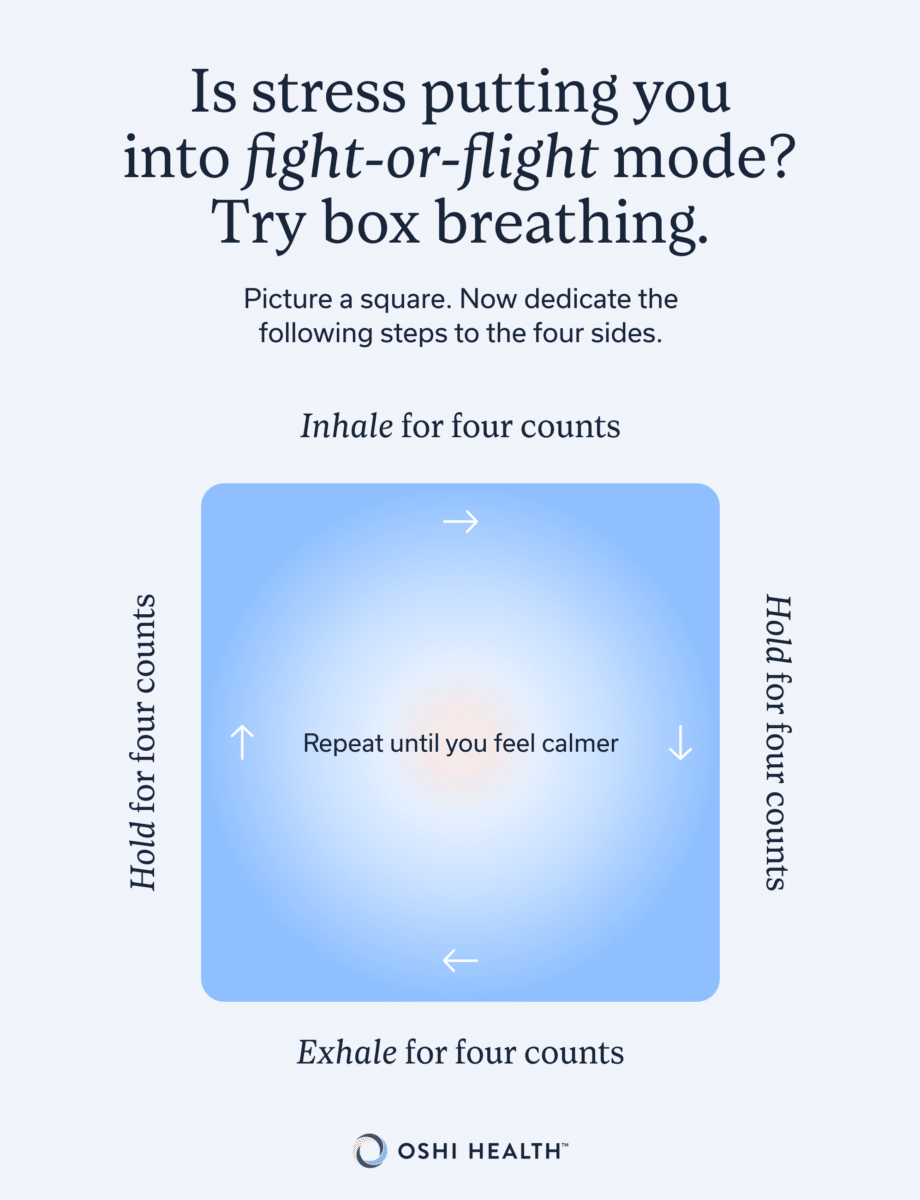
Breathwork is a mindfulness-based tool. By focusing on your breath, you can calm your brain and ease how stress is affecting your body. You can find guided breathwork through meditation apps. But a simple trick to try any time you sense stress toggling you into fight-or-flight mode is box breathing. Picture a square. Now dedicate the following steps to the four sides.
-
Inhale for a count of four
-
Hold for a count of four at the top
-
Exhale for a count of four
-
Hold for a count of four at the bottom
-
Repeat until you feel calmer
Physical activity
Getting regular exercise is a potent stress reliever. Research shows that exercise can even make you more resilient to future stress.
Some forms of exercise temporarily place stress on the body. Think running, doing a high-intensity interval (HIIT) workout, or lifting weights. These might not be calming workouts in the moment, but a sense of calm comes as part of the after-effects. Plus, the more you do these workouts, the more your body adapts to the stressor, making you more resilient in the face of other stressful situations.
Spending time in nature
When you’re stressed, research shows that taking a stroll in the park, or even just stepping outside for a bit to get some fresh air, can help. Researchers theorize that nature activates your rest-and-digest response, toggling you out of fight-or-flight mode.
Self-care
All the above-mentioned stress-relief techniques are forms of self-care. But they aren’t your only options. Engaging in hobbies you love, spending quality time with family and friends, and just taking time for yourself are all ways to ease stress in your day-to-day life.
When stress relief isn’t enough
Stress relief techniques are a great place to start. But stress can also create an ongoing disruption in communication between your gut and brain, making resolving symptoms more complicated.
In other words, you might need additional help to support gut-brain communication, especially if the above options aren’t bringing you relief from your abdominal pain or discomfort. Some techniques that clinicians help with include the following.
-
Brain-gut behavioral therapies (BGBT). BGBT treats disorders of gut-brain interaction to improve chronic GI symptoms. One component of BGBT is cognitive-behavioral therapy for GI (CBT-GI): CBT helps you analyze thought patterns that may trigger stress or anxiety, and it teaches you how to reframe them. CBT-GI helps you do this in the context of GI conditions and symptoms.
-
Gut-directed hypnotherapy. Hypnotherapy uses clinician-guided hypnosis to improve gut-brain communication, which can ease GI symptoms, such as stomach pain related to stress.
-
Gut microbiome support. Improving the gut microbiome may also be a strategy for calming GI symptoms and stress. Strategies might include eating prebiotic- or probiotic-rich foods or taking a provider-recommended probiotic if needed. A GI registered dietitian can be a great asset for figuring out the solutions that are right for you.
Working with an Oshi Health provider
Since stress and stomach pain share a complex relationship and are affected by many other factors, you may benefit from coordinated, multidisciplinary support from a team of experts in gut-brain therapy, like those at Oshi Health.
Your care team might include a GI provider (a nurse practitioner or physician associate), a GI registered dietitian, and/or a gut-brain specialist or psychologist, all overseen by board-certified gastroenterologists. They collaborate to help you reroute your gut-brain connection to soothe and manage GI conditions and symptoms as well as your mental health.
Key takeaways
-
Yes, stress can cause stomach pain because the brain and gut communicate, and when that communication line is disrupted, it can cause digestive disruptions as well.
-
Stress relief techniques can help calm stress and therefore GI discomfort, but you may need additional help.
-
If you experience stomach pain with stress, Oshi Health can help you nurture your gut-brain connection via targeted, evidence-based therapies–to ease the symptoms of both.
FAQ
-
If you’re experiencing stress, you might have symptoms that show up in your stomach or GI tract. Symptoms may include abdominal pain or pressure, bloating, gas, constipation, diarrhea, nausea, vomiting, acid reflux, and more.
-
The best way to stop stomach pain when stressed is to find a way to calm yourself. Take controlled deep breaths, inhaling through the nose and exhaling through the mouth.
-
Often stomach pain related to stress will resolve once the stress has passed, but this isn’t always the case. Sometimes pain can linger, especially if you experience frequent stress. If your stomach pain continues, don’t hesitate to reach out to a knowledgeable provider who can help you figure out what’s going on and find the right solutions for your symptoms.
-
One way to tell if your stomach pain is from stress is to see if it resolves once the stress has passed. If your pain goes away, then likely it resulted from stress. However, this can be difficult to assess if you have chronic or ongoing stress. If your stomach pain does not resolve, talk to a knowledgeable provider.
Oshi is your partner in digestive health
Feel like your digestive concerns are running your life? You’re not alone—and we’re here to help you find lasting relief.
Oshi Health GI providers, gut-brain specialists, and registered dietitians work together to address your symptoms and find solutions that actually work for you.
Whether you’re dealing with chronic digestive issues or unpredictable symptom flare-ups, our GI specialists deliver:
✔ Personalized care plans tailored to your lifestyle
✔ Science-backed strategies to calm your gut
✔ Compassionate, whole-person care
✔ And so much more!
Ready to take control of your gut health?