

Key takeaways:
-
When loose stool strikes, you might need to temporarily change your diet to ease symptoms and feel better.
-
Bland foods help calm an upset digestive tract in the short term, and small sips of fluids help keep you hydrated.
-
But if you experience frequent diarrhea, talking to a knowledgeable clinician is a good idea.
-
Oshi Health can help you tailor a treatment plan to your unique needs for fewer episodes of loose stool, cramping, and urgency.
Everyone experiences the occasional bout of diarrhea from time to time, whether as a symptom of an illness, your period, a reaction to stress, a routine change such as travel, or even a certain meal.
Loose, watery, or extremely soft stool can catch you off guard with cramping, bloating, and the strong urge to go number two. The situation can leave you feeling, well, “crappy,” and dehydration can come on quickly, leading to even worse symptoms.
If diarrhea continues, you might be tempted to pause eating or drinking altogether to make it stop. But keeping up with your fluids is crucial to avoid dehydration, and consuming some foods is important to maintain your nutrition and strength.
In this article, we explore how to stay hydrated and what to eat when you have diarrhea.
What to eat when you have diarrhea: the main nutrition goals
Acute diarrhea occurs when you have three or more loose or watery stools per day lasting for 14 days or less, whereas chronic diarrhea lasts longer. When an episode of diarrhea starts, two main strategies can help you prevent complications and ease discomfort.
Goals:
-
Replace fluids and electrolytes lost through frequent watery stools
-
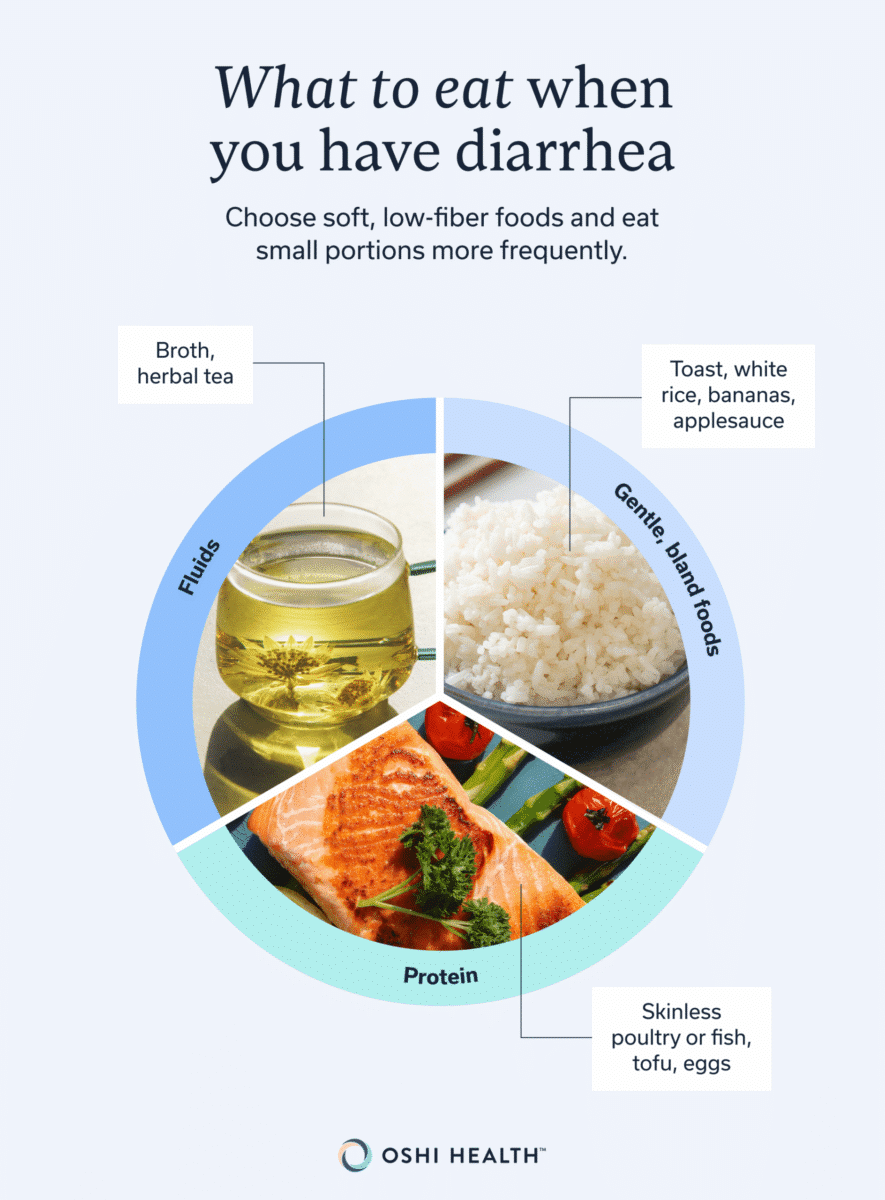
Choose gentle foods to calm your gastrointestinal (GI) tract
Start with fluids and electrolytes
Although you might be nervous about adding any fluids to your GI tract while you’re experiencing diarrhea, you need to stay hydrated.
To prevent dehydration, which can come on quickly, take small sips of water. Small sips, rather than chugging fluids, will help introduce liquids slowly to your GI tract so that you don’t exacerbate loose stool.
“Water is important,” says Ilana Schachter, RDN, with Consumer Health Digest, “but when diarrhea is frequent or prolonged, people also need to replace electrolytes such as sodium and potassium. Oral rehydration solutions (ORS), which contain a specific combination of glucose and electrolytes, can be particularly useful when fluid losses are significant.”
Any bowel movement will mean some fluid loss, but ongoing diarrhea can cause dehydration in a matter of hours if you don’t replenish fluids and electrolytes. The speed of fluid loss will vary based on the amount and frequency of your diarrhea. Children with diarrhea are at risk for even faster dehydration.
You can gauge fluid loss by weighing yourself. About a 3% loss of your body weight is considered mild dehydration, and about a 10% loss is considered severe, according to a research review in the journal Health Science Reports. As an example, for a 150-pound person, a 3% decrease in body weight would be about a 5-pound loss.
Best food for diarrhea during the first day or two
Sometimes when you’re not feeling well, including if you have diarrhea, you might not have an appetite or want to put anything in your stomach. But consuming some light, easy-to-digest foods can help replenish some electrolytes and maintain your overall nutrition. A bland diet is best during diarrhea, especially when the issue first begins.
Tips for eating a bland diet:
-
Soft foods are easier to digest.
-
Low-fiber foods help prevent further cramping, bloating, or discomfort.
-
Cooked veggies are gentler on your GI tract than raw items.
-
Small portions eaten more frequently help avoid overloading your digestive system.
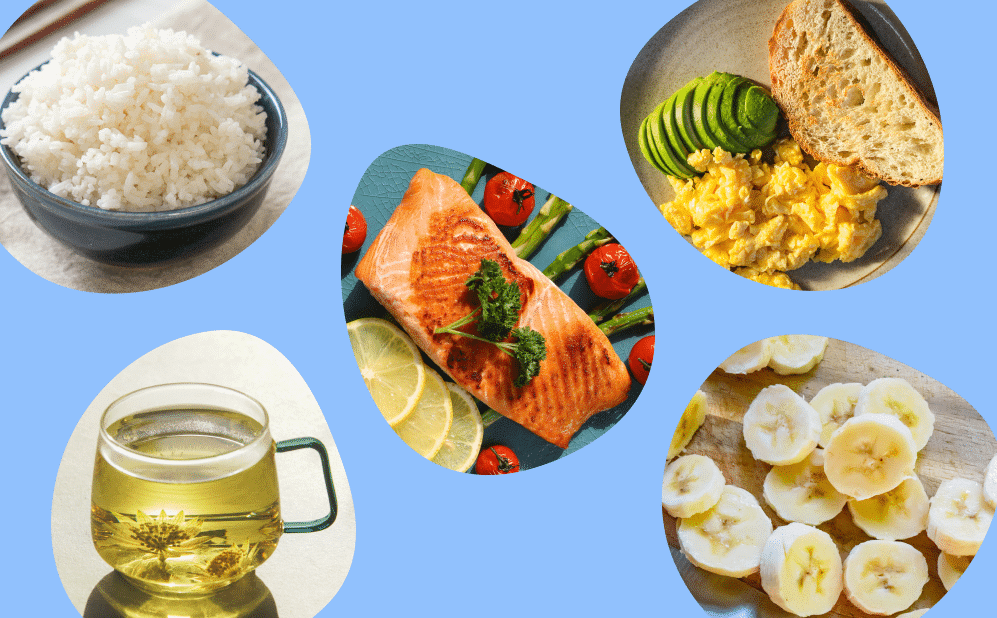
Foods to eat when you have diarrhea:
-
Applesauce
-
Bananas
-
Broth
-
Eggs
-
Herbal tea
-
Skinless poultry or fish
-
Pudding
-
Toast
-
Tofu
-
White rice
As your GI tract calms down, you can ease back into your usual diet. Start by slowly adding more foods back in.
Is the BRAT diet enough for diarrhea?
You may have heard of the BRAT diet, consisting of bananas, rice (white), applesauce, and toast (white). Or maybe this diet was the protocol your family followed when you became ill while growing up. This diet is indeed bland, but is it nutritious enough?
The BRAT diet used to be a widely used protocol for various GI issues, including recovering from gastroenteritis or other GI infections. However, research doesn’t support its use, and it can lead to inadequate nutrition. You’ll still find these foods listed above among the other bland foods, but try to aim for more variety.
Understanding fiber when you have diarrhea
Fiber might feel like a no-no during diarrhea, but not all fiber is created equal. One type may actually be of benefit when you have loose stool, according to research in the World Journal of Clinical Cases. You see, fiber falls into two categories: insoluble (doesn’t dissolve in water) and soluble (dissolves in water). Here’s how GI experts recommend you approach each type when experiencing diarrhea:
-
Keep insoluble fiber to a minimum. This type does not absorb water, and it passes through your GI tract mostly undigested, where it eventually feeds your gut microbiome. But along the way, it acts like a push broom, sweeping waste through and producing a bowel movement. Of course, this can worsen diarrhea.
-
Consider small amounts of soluble fiber. In contrast to insoluble fiber, soluble fiber dissolves in water and creates a gel-like substance that absorbs excess fluid in your GI tract. The result is slower gut transit time, better stool formation, and even a soothed intestinal lining. Therefore, soluble fiber may help resolve diarrhea and ease irritation.

Foods and drinks that may make diarrhea worse
Now that you know the basics of the best foods for diarrhea, you might be wondering what foods are best avoided when you’re experiencing loose stool. “The goal isn’t to survive on a handful of’bland’ foods for several days,” Schachter says. “It’s to maintain nutrition while temporarily avoiding foods that aggravate symptoms.”
-
Dairy products: Dairy can worsen diarrhea if you’re lactose intolerant. If you’re not, then small amounts of dairy, such as in a pudding cup, shouldn’t worsen your symptoms, but you might wish to temporarily avoid, say, a cheese pizza.
-
Caffeine and alcohol: Caffeine can stimulate GI muscle contractions, and alcohol can irritate your stomach lining, leading to worsening symptoms.
-
Spicy meals: Capsaicin is a common ingredient in spicy foods, spice mixes, hot sauces, and other spicy condiments. It can be a diarrhea trigger by causing cramping, pain, and pressure. Everyone is a little different regarding sensitivity to spice, so a little bit of heat might not be a problem for you, but extremely spicy meals might cause further GI distress.
-
Greasy or fried foods: Fatty or greasy meals can increase the amount of bile acids in the colon, which can cause irritation and worsen loose stool.
-
Insoluble fiber: While soluble fiber can be of benefit during diarrhea, insoluble fiber can increase cramping and send you running for the loo.
-
Sugary foods: Foods that are high in sugar can have an osmotic effect by drawing water into the gut, leading to even more watery stool and further cramping or bloating.
-
Non-nutritive sweeteners: Some types of sweeteners have zero calories and are considered non-nutritive. These include sugar alcohols such as erythritol, xylitol, and sorbitol; artificial sweeteners such as aspartame, sucralose, and saccharin; and plant extracts such as stevia, monk fruit, and allulose. Many non-nutritive sweeteners, especially sugar alcohols, can trigger or worsen diarrhea because they can have a laxative effect since your body can’t fully absorb them.
A simple diarrhea diet progression
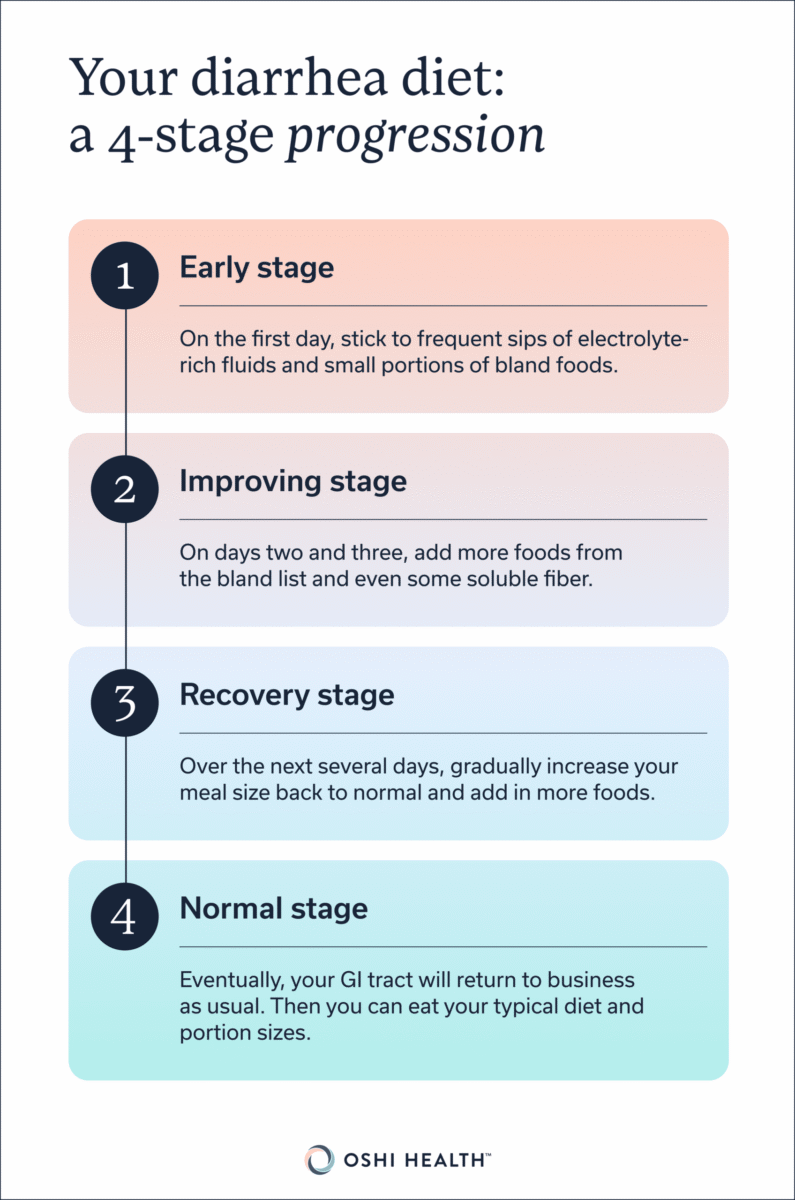
If you need a step-by-step plan for when diarrhea strikes, here’s a roadmap to get you back to feeling better.
-
Early stage: On the day your diarrhea begins, stick to frequent sips of electrolyte-rich fluids and eat small portions of bland foods for meals and snacks.
-
Improving stage: On days two and three, you might be able to add in more foods from the bland list and even some soluble fiber to help form more solid stool.
-
Recovery stage: As your diarrhea resolves over the next several days, gradually increase your meal size back to your normal portions and add in more foods from your usual diet.
-
Normal stage: Eventually, your GI tract will return to business as usual with a more normal-for-you stool consistency. Once this happens, you’re likely out of the woods and can eat your typical diet and portion sizes.
When diarrhea needs cause-directed care
Most of the time, you can manage the occasional bout of diarrhea on your own (with a few caveats for seeking prompt medical attention in the next section). However, if your loose stool keeps returning, talking to a knowledgeable GI provider is a good idea.
If you meet with a provider, they may ask you about any recent antibiotic use, supplements, travel, illness, and medication changes, all of which could be an underlying reason you’re experiencing diarrhea. Ultimately, a provider will help you get to the bottom of things.
Recurrent diarrhea could also signal a food intolerance, irritable bowel syndrome (IBS), inflammatory bowel disease (IBD), small intestinal bacterial overgrowth (SIBO), another condition, or an issue with gut-brain communication, so seeking care for diarrhea could help you treat any underlying causes.
Get expert support for life-interrupting symptoms
Our GI providers, registered dietitians, and gut-brain specialists work together to identify your diarrhea triggers and deliver coordinated, comprehensive care, all in one place.










When to seek urgent medical care for diarrhea
In some cases, diarrhea can signal a medical emergency or become one. Seek care right away for any of the following:
-
Blood or pus in stool
-
Black or tarry stools
-
Confusion
-
Dizziness or fainting
-
Excessive thirst
-
Extremely limited urination
-
High fever (102 degrees or higher)
-
Inability to keep fluids or food down
-
Racing heart
-
Severe abdominal pain
-
Severe diarrhea that doesn’t resolve or gets worse
-
Stool containing pus
-
Worsening weakness
I definitely suffered from diarrhea and constipation for decades. Indigestion, bloating, and gas became more problematic in recent years, and I think that these are symptoms that we’re led to believe are normal. And also they’re kind of embarrassing....But there was something about the way that I was able to communicate with my GI provider via Oshi and the registered dietitian where I felt comfortable being forthcoming and opening up about my habits, my behaviors, and my symptoms—and was able to finally get the help I really needed.
— Tara C.
Read the Full InterviewWorking with an Oshi healthcare provider
The best ways to treat and manage chronic diarrhea will be somewhat unique to you and may be different from methods that help someone else. That’s why you may benefit from coordinated, multidisciplinary support from Oshi Health.
Your care team might include a GI clinician (a nurse practitioner or physician associate), a GI registered dietitian, and/or a gut-brain specialist or psychologist, all overseen by board-certified gastroenterologists. They collaborate to help you improve your gut health, alleviate symptoms of diarrhea and the conditions that cause it, and help empower you with strategies to better manage your health over the long term.
FAQ
-
No, yellow or green diarrhea doesn’t necessarily mean something is wrong. When food moves too quickly through your digestive tract, bile doesn’t get the chance to break down completely, giving the stool a yellow or green tinge rather than its usual brown color.
-
Diarrhea can burn sometimes if food is moving through your digestive tract too fast, flooding your colon with stomach acid, bile, and digestive enzymes. When you go number two, your feces can burn your rectum or anus. Additionally, ongoing diarrhea and subsequent wiping can break down your skin barrier around your anus and lead to further irritation the next time you have to go number two.
-
Yes, diarrhea can cause temporary weight loss. Usually, the weight change is due to increased fluid loss from passing stool. Once you’re able to return to your normal hydration status, you will likely return to your normal weight or close to it. If you notice significant weight loss during diarrhea, such as more than a few pounds or you can’t keep fluids down, seek medical attention right away.
-
Yes, stress can cause diarrhea even if you haven’t changed your diet. When you encounter stress, you activate your sympathetic nervous system, also called “fight or flight.” This arm of your autonomic nervous system works somewhat in opposition to another arm, your parasympathetic nervous system, also called “rest and digest,” and to the nervous system in your gut, your enteric nervous system. When you’re in fight-or-flight mode, your body halts processes it deems unnecessary in the moment to divert all your energy toward managing a potential threat. Some digestive processes therefore get switched off temporarily, which could trigger GI symptoms such as diarrhea.
Oshi is your partner in digestive health
Feel like your digestive concerns are running your life? You’re not alone—and we’re here to help you find lasting relief.
Oshi Health GI providers, gut-brain specialists, and registered dietitians work together to address your symptoms and find solutions that actually work for you.
Whether you’re dealing with chronic diarrhea or unpredictable diarrhea episodes, our GI specialists deliver:
✔ Personalized care plans tailored to your lifestyle
✔ Science-backed strategies to calm your gut
✔ Compassionate, whole-person care
✔ And so much more!
Ready to take control of your gut health?