

Key takeaways:
-
Fecal impaction occurs when a hard mass of dry stool gets stuck in the rectum or colon, leading to worsening constipation.
-
Stool can become hard and dry if it stays in the colon or rectum for too long because of lifestyle habits, underlying conditions, or medication side effects.
-
Although fecal impaction can sometimes be treated with at-home remedies, other cases may require urgent medical treatment.
-
If you suspect you have fecal impaction, Oshi Health can help by assessing your symptoms and making recommendations.
-
Anyone with red-flag symptoms (severe or worsening abdominal pain, a hard or swollen abdomen, nausea/vomiting, fever, rectal bleeding, or complete inability to have a bowel movement or pass gas) should seek urgent or emergency in-person care.
Constipation can feel like a nightmare while you wait for your gastrointestinal tract to pick up the slack and get things moving. But sometimes the issue goes deeper than just having a momentarily sluggish colon.
Sometimes stool gets stuck in the rectum or colon, leading to an impacted bowel. Think of it a bit like a drain clog in your sink’s plumbing. Fecal impaction can cause a backup, making you uncomfortable. And despite the pressure buildup, you might not be able to go, or in a weird paradox, you might experience some diarrhea but still feel constipated.
Your usual constipation-relief strategies, such as having a cup of coffee or taking a laxative, may not work as well or at all. You may need more robust tactics for resolving an impacted bowel.
In this article, we explore fecal impaction vs constipation, why impacted stool occurs, fecal impaction treatment, and when fecal impaction requires medical treatment.
What an impacted bowel means
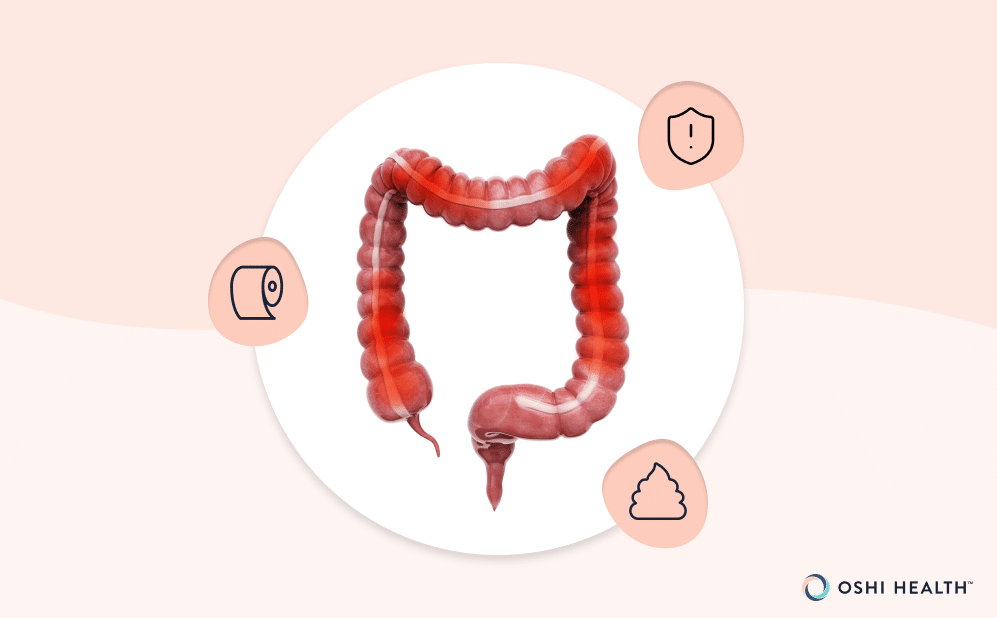
Fecal impaction, aka an impacted bowel, occurs when a hard mass of dry stool gets stuck in the colon or rectum, leading to further constipation and uncomfortable symptoms.
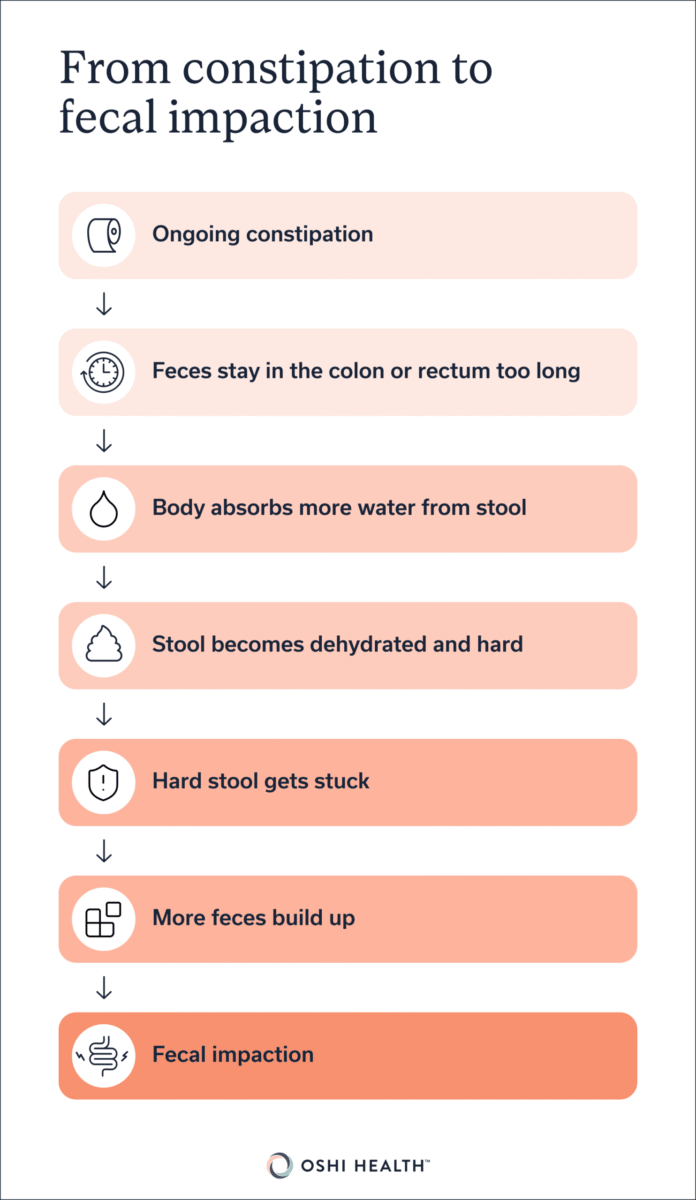
It happens when feces stay in the colon or rectum for too long, where they can become dehydrated. The dehydration hardens the poop, making passing it difficult. As time passes, more feces may build up, leading to further impaction and worsening constipation.
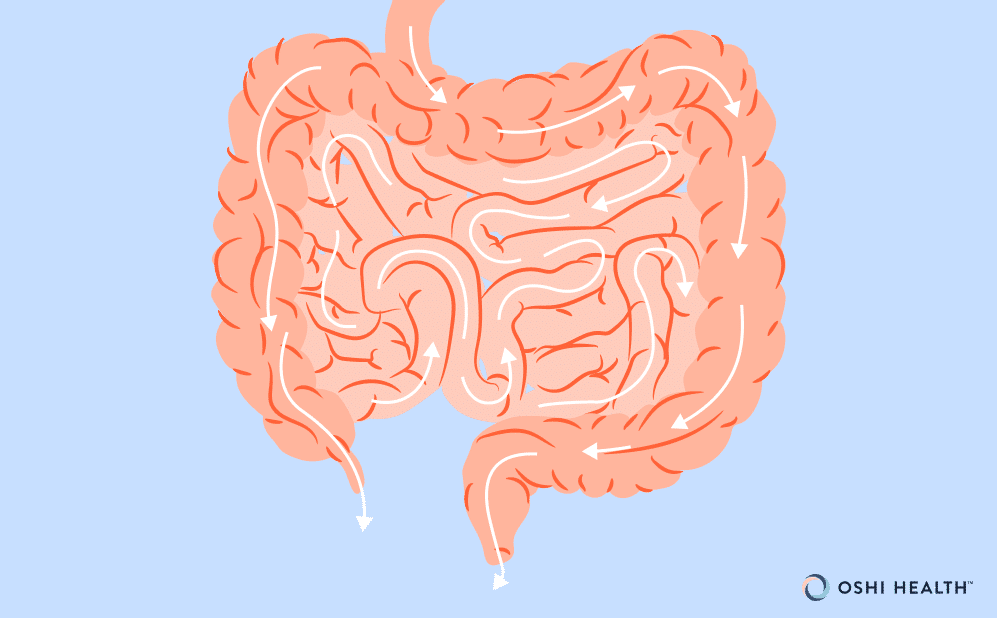
Typically, fecal impaction occurs in the rectum, the last stop before you pass stool with a number two. However, you can sometimes have an impacted bowel higher up in the colon.
Fecal impaction vs constipation
Constipation and fecal impaction may sound similar because both lead to difficulty pooping.
“Although constipation can manifest in terms of decreased frequency or difficulty with bowel movements,” says Edmundo Rodriguez-Frias, MD, “an impacted stool is a further complication related to constipation, whereby stool is literally’stuck’ within the rectum or lower part of the colon.”
Understanding the difference:
-
Constipation means you have difficulty going number two or you go infrequently.
-
Fecal impaction means a hard mass of stool is blocking the colon or rectum, preventing the passage of poop.
Despite their different definitions, constipation and fecal impaction are somewhat related because ongoing constipation can lead to fecal impaction. And fecal impaction can worsen the experience of constipation.
“In regular constipation, the fecal content is moving too slowly, so stool gets dry and it is hard or painful to pass with significant straining,” says Savita Srivastava, MD.
She adds, “Fecal impaction happens when that dry, hardened stool forms a firm, large, stationary mass that becomes physically stuck inside the colon, often leading to a complete or partial bowel obstruction. The colon keeps contracting to try and push it out, but the’plug’ is too large or hard to pass on its own, creating a clogged pipe in the digestive tract.”
An important note: Although you might think that having fecal impaction means that no poop comes out at all, you can actually experience some”paradoxical” or”overflow” diarrhea.
“Liquid stool from higher up in the colon leaks around the hard, impacted mass and seeps out,” Dr. Srivastava says, “leading people to think they have diarrhea when they in reality have a bowel blockage.”
Why fecal impaction happens
As previously mentioned, fecal impaction occurs when feces stay in the colon or rectum too long and become dehydrated.
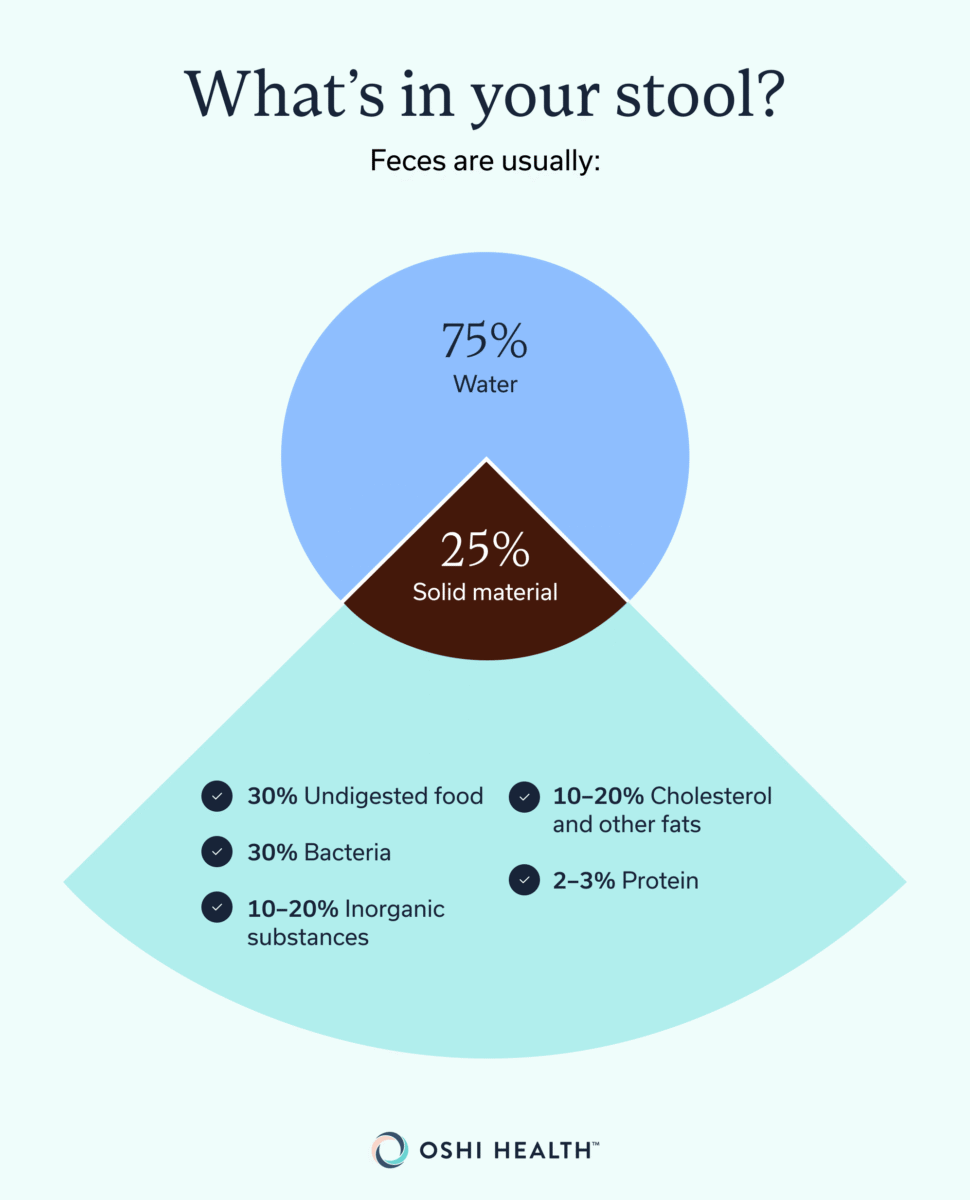
You might be surprised to know that stool is roughly 75% water. The other 25% consists of solid waste material– a mix of microbes, dead cells, and other materials (such as bilirubin and cholesterol), and undigested food that your body can’t break down (such as certain types of fiber).
The water content of stool is important because it helps determine its texture: Stool with more water is softer and easier to pass, while stool with less water is harder and drier. Water also helps create a gentle pressure that stimulates the muscles of your gastrointestinal (GI) tract to move waste along.
GRAPHIC OP: Maybe two pie charts:
One: showing water 75% and solid material 25%
Two: showing the breakdown of solid material
-
Undigested food: 30%
-
Bacteria: 30%
-
Inorganic substances: 10% to 20%
-
Cholesterol and other fats: 10% to 20%
-
Protein: 2% to 3%
When feces stay in the colon or rectum too long for whatever reason, your body has more time to absorb the water from your stool. The dehydrated mass can then get stuck rather than moving onward.
“Fecal impaction occurs almost exclusively in the rectum and the sigmoid colon, the last two sections of the colon,” explains Dr. Srivastava.
“By the time waste reaches this area, the colon has absorbed most of its water content,” she adds. “The sigmoid colon is also narrower, with hairpin turns that make it tougher for large stool balls to comfortably pass through. If stool sits in the rectum too long, the mucosal lining continues to pull water out of it, transforming stool into a dense, cement-like mass right at the exit called the rectal vault.”
Meanwhile, higher up in your GI tract, your body is still trying to move waste along, leading to a traffic jam of sorts as more poop moves into your colon or rectum. This additional waste can exacerbate the impaction by making the mass even harder.
Symptoms that suggest impacted stool
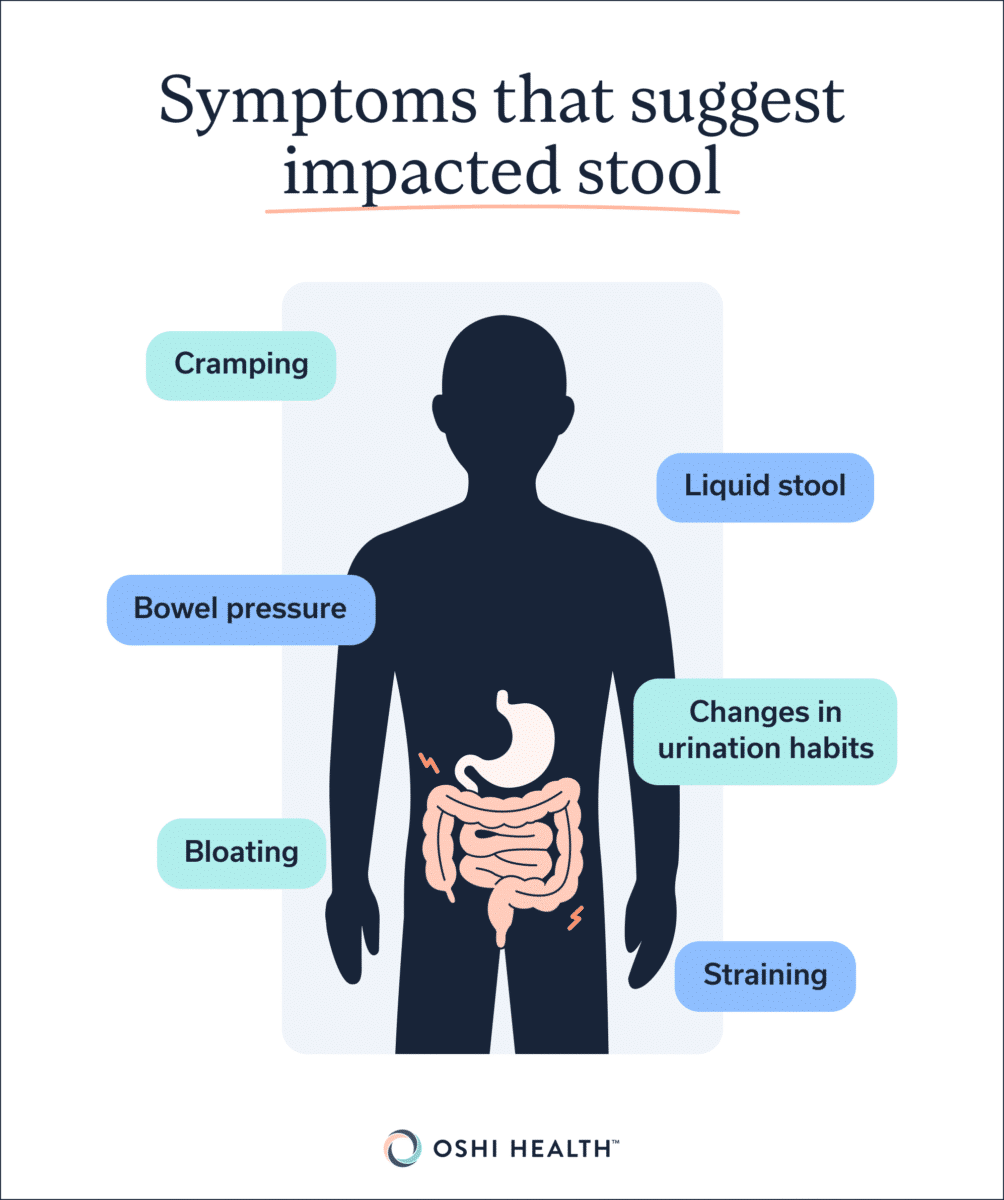
The symptoms of fecal impaction are somewhat similar to constipation. First, you might notice that you haven’t had a bowel movement for several days, especially if you tend to go every day. But the following are additional common symptoms.
Common symptoms of impacted stool
-
Bloating
-
Cramping
-
Bowel pressure
-
Liquid stool or watery diarrhea even though you feel constipated
-
Straining that doesn’t produce a bowel movement
-
Urination habit or symptom changes, such as bladder pressure or even loss of control
Who is at higher risk for fecal impaction?
You may be at higher risk of fecal impaction, depending on your lifestyle habits, underlying conditions, and medications.
Risk factors for fecal impaction
-
Lifestyle habits
-
Low fluid intake
-
Low fiber intake
-
Low physical activity or sedentary lifestyle
-
Overuse of stimulant laxatives
-
Ignoring the urge to go
-
-
Underlying conditions or health status
-
Advanced age
-
Endocrine or metabolic issues (e.g., hypothyroidism and diabetes)
-
Neurological conditions (e.g., Parkinson’s disease, dementia, spinal cord injuries)
-
Structural blockages (e.g., tumors, strictures, or fissures)
-
-
Medications
-
Antacids
-
Antidepressants
-
Antihistamines
-
Antipsychotics
-
Bladder control medications
-
Calcium channel blockers (blood pressure medications)
-
Diuretics
-
Iron supplements
-
Laxatives (if stimulant types are overused)
-
Opioids
-
Weight loss and diabetes medications
-
Taking one or more of the above medications does not mean you will experience fecal impaction, but they may put you more at risk by either slowing how fast food and waste move through your GI tract or by altering how much water stays in your gut. Do not stop taking any of your medications or change your dosage without consulting your doctor first.
How fecal impaction is diagnosed
If you suspect you have fecal impaction and you see a provider, you might be wondering how your clinician will either diagnose or rule out the condition.
-
First, they will likely ask you about your symptoms, underlying conditions, medications, and overall medical history.
-
They may also need to perform a digital rectal exam by inserting a gloved finger into your rectum to feel for hard fecal masses.
-
Sometimes you may need imaging, such as a CT scan or X-ray.
-
In rare cases, you may need a routine procedure, such as a contrast study or sigmoidoscopy.
How to get rid of old feces in the colon safely
If you suspect you have fecal impaction, talking to a knowledgeable clinician is a good idea. They can offer the best treatment methods for your unique situation. If they think you can safely try at-home treatments, they may recommend a variety of approaches. Or they may recommend that you seek medical treatment. Some at-home approaches include the following over-the-counter options.
-
Enema: An enema involves inserting the lubricated tip of a prefilled container into your anus and squeezing the liquid into your rectum, which will soften the stool and create gentle pressure that might help produce a bowel movement.
-
Suppository: A suppository is made of glycerin. You gently insert it into your anus. It then helps draw water into your bowel and rectum to soften and lubricate hard stool. It also slightly irritates your rectal lining to trigger muscle contractions that move stool along.
-
Laxative: If the impaction is hard and located in the rectum, enemas, suppositories, or sometimes manual removal are generally used first. Osmotic laxatives may be helpful for softer stool or an impaction higher in the colon. You take them orally, and they gently draw water into the colon through the process of osmosis. The water hydrates and softens stool and encourages gentle muscle contractions to promote a number two. What is the best laxative for impacted stool? One of the most used is polyethylene glycol (PEG), an ingredient found in MiraLAX.
Meet the GI providers who know constipation
Our GI providers offer personalized care for ongoing or recurring constipation and can help determine the right next steps when symptoms become more severe.










Fecal impaction treatment: how clinicians clear a blockage
If you need medical treatment for your fecal impaction, you might be wondering how a clinician will help resolve the issue.
“Treatment follows a stepwise approach, focused on softening and removing the blockage from below,” says Dr. Srivastava. “The patients often come to the emergency room and are followed by GI physicians and surgeons for comprehensive care.”
Each bowel impaction is unique, but clinicians may use one or more of the following.
-
Manual disimpaction: A clinician will insert a lubricated gloved finger into your anus and break up the impaction in your rectum.
-
A Foley catheter enema: For this type of enema, a clinician will insert a catheter into your anus and beyond the blockage in your rectum or sigmoid colon. They’ll release small amounts of the solution slowly until you experience a bowel movement.
-
Oral osmotic laxatives: A clinician might give you an oral laxative, such as PEG. They may use this strategy in combination with others or on its own.
-
Surgery: In rare cases, fecal disimpaction may need to be performed in the operating room while you are under anesthesia or sedation.
Fecal impaction is understandably uncomfortable and can leave you feeling ill. So you might be looking for ways to prevent it from happening again. The following strategies can help.
-
Eat more fiber, but don’t add too much all at once.
-
Stay hydrated, especially as you add more fiber to your diet.
-
Add more physical activity to your routine.
-
Don’t ignore the urge to go number two; find a toilet and go.
-
If you suspect your medications are causing this side effect, talk to your provider about it.
Treat developing constipation sooner rather than later, with a non-stimulant laxative or whatever method your doctor recommends.
When an impacted bowel becomes a medical emergency
An impacted bowel can become a medical emergency in certain situations, requiring urgent treatment.
Seek care right away if your fecal impaction symptoms include the following:
-
Confusion
-
Dizziness or fainting
-
Hard abdomen (that feels like a board when you press on it)
-
High fever or chills
-
Inability to pass gas or stool
-
Rapid heart rate
-
Rectal bleeding or dark or tarry stools
-
Severe abdominal pain or cramping
-
Vomiting, especially if it smells of stool or contains green or yellow bile
Working with an Oshi healthcare provider
The best ways to treat, manage, and prevent fecal impaction will be somewhat unique to you. That’s why you may benefit from coordinated, multidisciplinary support from Oshi Health.
Your care team might include a GI clinician (a nurse practitioner or physician associate), a GI registered dietitian, and/or a gut-brain specialist or psychologist, all overseen by board-certified gastroenterologists. They collaborate to help you improve your gut health, alleviate symptoms of bowel impaction and the factors that cause it, and empower you with strategies to better manage your health over the long term.
FAQ
-
Yes, although it sounds strange, fecal impaction can cause paradoxical or overflow diarrhea, where liquified feces leak around the impaction.
-
Fecal impaction will rarely clear on its own without either over-the-counter treatments or medical intervention. If you think you are experiencing fecal impaction, don’t hesitate to ask your provider about it for the best treatment plan.
-
If left untreated, fecal impaction can eventually result in a complete blockage of the lower GI tract, ulcers in the colon or rectum, bowel perforation (a tear in the colon wall), or other damage. If you suspect you have fecal impaction, talk to a provider for the best course of action.
Constipation that won't let up? It's worth getting help.
Oshi’s GI providers can help you understand what may be contributing to your constipation symptoms and create a personalized plan to get things moving—and help prevent problems from coming back.
With Oshi, you get:
✔ Expert support for constipation and other digestive symptoms
✔ A personalized treatment plan based on your needs
✔ Nutrition guidance without unnecessary restrictions
✔ Ongoing support from a coordinated GI care team
Ready to get your gut back on track?