


“Fibermaxxing” is an online wellness trend that centers on dramatically increasing daily fiber intake to improve gut health and overall wellness. And it is having a big moment on TikTok, Instagram, and other social platforms. From high-fiber snack hacks to influencers comparing daily fiber intake counts, all this fiber-related chatter has turned fiber into the latest health obsession.
While fiber is good for your gut, more isn’t always better—especially if you live with gastrointestinal (GI) symptoms.
Many people assume digestive symptoms mean they simply need more fiber. But you shouldn’t brush off persistent bloating, constipation, or pain, especially when symptoms keep coming back, worsen over time, or start interfering with your daily life. This might signal that something more is going on with your gut—and that it may benefit from a closer look with a GI provider.
Aggressively increasing fiber intake can also leave you feeling more bloated, uncomfortable, and constipated, especially without the guidance of a registered dietitian who can help you identify your personal trigger foods. A high-fiber smoothie packed with raspberries and banana might work well for your best friend, but totally derail your day, for example.
Why high-fiber diets can backfire
Beans. Cruciferous veggies. Whole grains. Bran cereal. These high-fiber foods can all be gut-friendly, but that doesn’t mean you should build your entire diet around them.
“A sudden increase [in fiber] overwhelms the digestive system, as gut bacteria rapidly ferment the added fiber, producing excess gas and abdominal discomfort,” says Robbie Leinart, APRN-BC.
And they won’t all impact your gut in the same way either. “Not all fiber works the same way,” says Sarah O’Rourke, DNP, APRN, AGPCNP-BC.
There are two types of fiber: soluble and insoluble. And the key difference between them is that soluble fiber dissolves in water in your digestive tract, while insoluble fiber does not.
“Soluble fiber (e.g., oats, beans, psyllium) forms a gel in your gut and slows digestion. It’s often gentler than insoluble fiber,” says O’Rourke.
Insoluble fiber adds bulk to your stool and keeps things moving through your digestive tract.
“Insoluble fiber—the kind found in leafy greens, broccoli, and whole grains—speeds up gut motility. It acts like a broom as it moves through the large intestines by sweeping and scratching against the walls and triggering mucus production for stool lubrication. For those with diarrhea or quick motility, insoluble fiber can exacerbate symptoms,” says Beth Rosen, MS, RD, CDN, CSDH.
What about fiber supplements?
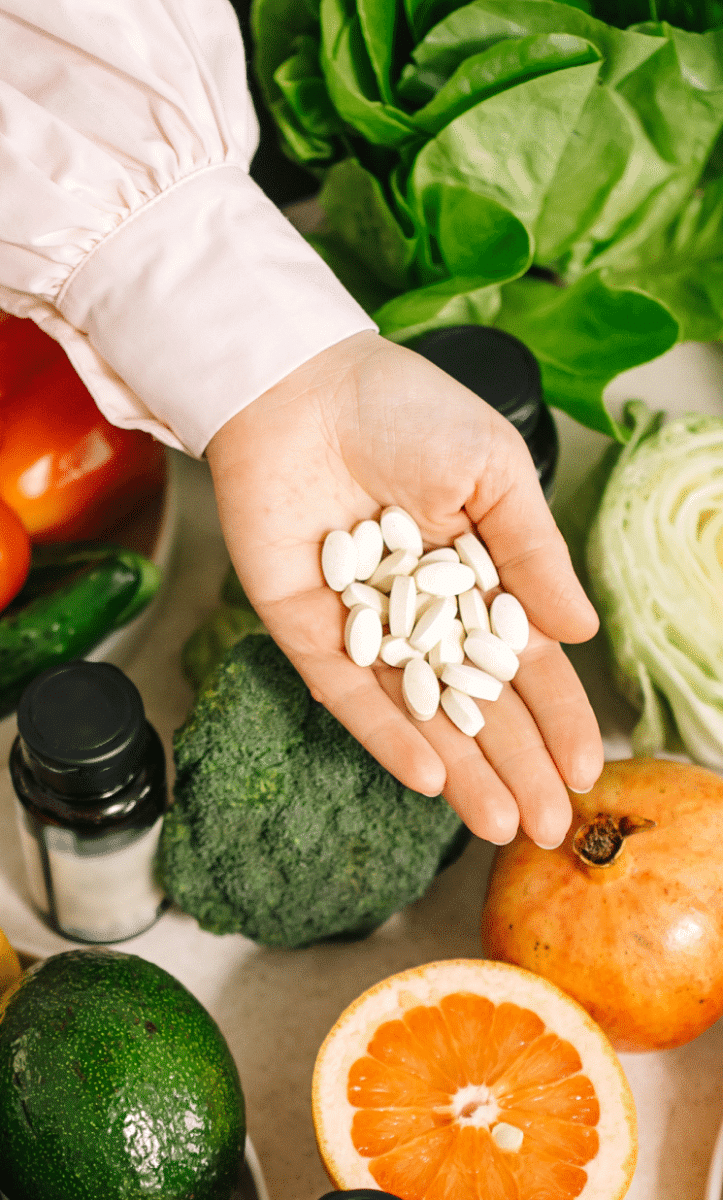
“Fiber supplementation is a great way to add fiber to a diet quickly. I tend to recommend it to patients who are practicing building their fiber intake through fruits, veggies, nuts, seeds, beans, and lentils to give them an extra boost towards their goal of either softening or forming their stool. I suggest starting slowly with a supplement, taking half the recommended dose for the first few days, then increasing to the full dose as tolerated. I tend to lean into soluble fiber supplements that are in powder form as they are the quickest way to get the fiber you need.” – Oshi registered dietitian Beth Rosen
Your hydration status, medications, activity levels, and underlying GI conditions can also influence digestion. If you’re not drinking enough, too much fiber can bulk up your stool but leave it dry and hard to pass—ouch!
And Leinart cautions against relying on fiber to deal with digestive problems like constipation. If you’re experiencing persistent changes in bathroom habits, significant discomfort, or other concerning symptoms, make an appointment with a health professional, she says.
She adds that the same goes if you live with a chronic GI condition, like Crohn’s disease, which increases your risk of GI tract blockages and may require a low-fiber diet.

Fiber for GI symptoms
“Soluble fiber can be especially helpful for constipation-type IBS. It can improve overall symptoms. Insoluble fiber may make symptoms worse. The best approach is individualized. Start low and adjust based on how you feel. A diet high in fiber may also help limit reflux symptoms in people with gastroesophageal reflux disease (GERD).” — Oshi GI Provider Sarah O’Rourke.
The takeaway: Your gut health isn’t a social media trend
Online wellness advice tends to flatten digestive health into overly simplistic rules: eat more fiber, drink more water, take this supplement. But digestive health is often more nuanced than that.
“Overall, fiber is a key part of a healthy diet, but it’s important to adjust the type and amount based on your body and any digestive conditions. Increasing fiber slowly and paying attention to symptoms can help you get the benefits while minimizing side effects,” says O’Rourke.
“If you’d like to increase your fiber intake, do so slowly so your body has time to adapt. Start to work in one fiber-rich food with each meal and snack and increase as you feel ready,” says Adrienne Dowd, MS, RDN, NBC-HWC.
At Oshi, patients work with a virtual team of GI specialists, including registered dietitians, to better understand what’s driving their symptoms and create a plan tailored to their lifestyle. That may include gradually adjusting fiber intake, identifying trigger foods, or medication to treat underlying GI conditions contributing to digestive discomfort.
Feeling better for the long haul shouldn’t require guessing your way through conflicting advice online.
Oshi is your partner in digestive health
Feel like your digestive concerns are running your life? You’re not alone—and we’re here to help you find lasting relief.
Oshi Health GI providers, gut-brain specialists, and registered dietitians work together to address your symptoms and find solutions that actually work for you.
Whether you’re dealing with chronic digestive issues or unpredictable symptom flare-ups, our GI specialists deliver:
✔ Personalized care plans tailored to your lifestyle
✔ Science-backed strategies to calm your gut
✔ Compassionate, whole-person care
✔ And so much more!
Ready to take control of your gut health?