

Confused by the new food pyramid? We break it down with your gut health in mind.
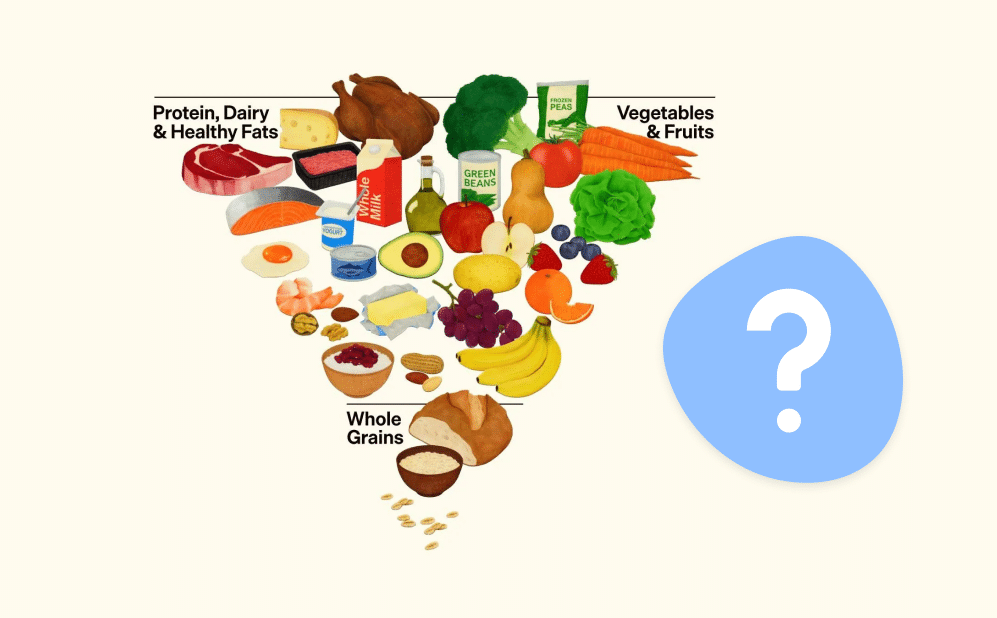
If you’ve seen headlines about the updated food pyramid and felt confused, you’re not alone. Updated nutrition guidelines can spark a lot of conversation. And nutrition guidance can feel especially tricky when you’re living with gastrointestinal (GI) symptoms.
There’s a lot in the new guidelines that aligns with what you might already know: eat more whole foods, less added sugar, and fewer ultra-processed foods. For many people with GI concerns, reducing ultra-processed foods can help ease digestive symptoms like bloating and discomfort.
The new guidelines also acknowledge gut health and the importance of supporting your microbiome—the community of bacteria that plays a big role in digestion, inflammation, and your overall health.
If this were truly a gut-friendly food pyramid, though, a few things might be higher up: fiber-rich foods, whole grains, and plant-based protein sources like beans.
What the research says
Red meat
The updated pyramid highlights meat as a central protein source. While your body needs protein, the science around red meat intake is mixed. Research suggests that higher intake of processed red meat is associated with an increased risk of colorectal cancer (CRC). For people living with inflammatory bowel disease (IBD), paying attention to colorectal cancer risk is especially important.
That doesn’t mean you necessarily need to eliminate meat from your diet, but it does mean being thoughtful about:
- How often you eat red meat
- How you prepare it
- Whether the meat is minimally or heavily processed
Full-fat dairy and saturated fat
If you’re living with GI symptoms, it’s probably no surprise that moving foods high in saturated fats (e.g., cheese, butter, cream, full-fat dairy) to the top of the pyramid is a bit controversial. Some evidence links high intake of saturated fats to heart disease. Research shows that replacing saturated fats with mono or polyunsaturated fats or whole grains is linked with lower heart disease risk.
For many people with GI issues, fatty foods and dairy can trigger symptoms. We generally recommend enjoying these foods in moderation and leaning more heavily on health-promoting unsaturated fats like olive oil, avocado, fish, nuts, and seeds.
Tips from Oshi’s registered dietitians
If you’re navigating these new guidelines and want to make changes without feeling restricted, here are a few practical tips:
- Think addition, not restriction. Instead of focusing on what to cut out, try adding one whole-food choice each day.
- Aim for plant diversity. Try to include around 30 different plant foods per week—fruits, vegetables, whole grains, legumes, herbs, nuts, and seeds.
- Choose fats that support gut and heart health. Prioritize monounsaturated and omega-3-rich polyunsaturated fats when possible (e.g., salmon, walnuts, chia seeds, and olive oil).
Our food pyramid wishlist
We love that there’s a focus on whole ingredients, but wish there was more emphasis on plant-based foods. The updated guidelines downplay vegetarian and plant-forward eating patterns, including a focus on plant-based protein sources such as legumes, despite strong evidence that plant diversity supports a healthier gut microbiome.
We also wish there were clearer guidance around alcohol. Research increasingly shows that alcohol may raise the risk of GI cancers, including colorectal cancer, and that there’s truly no safe level of alcohol intake.
Nutrition isn’t one-size-fits-all
As GI and nutrition professionals, we pay close attention to scientific evidence. We also consider cultural foods, budget, access to groceries, and so much more when creating personalized treatment plans.
Bottom line: The conversation around the updated food pyramid is a helpful reminder that nutrition is personal. And if something is a trigger for you, trust your gut—and get expert guidance to back it up.
Want personalized dietary support?
An Oshi registered dietitian can help you interpret dietary guidelines in a way that fits your symptoms, preferences, and lifestyle. At Oshi, our GI nutrition experts are here to help you feel confident, supported, and at ease when it comes to food choices.