


A diagnosis of fatty liver can feel confusing and overwhelming, especially since it often doesn’t cause clear symptoms early on. With the right support and a personalized care plan, it’s possible to slow or even reverse the progression of the disease.
If you’ve recently been told you have metabolic dysfunction-associated steatotic liver disease—also known as MASLD, and commonly referred to as fatty liver disease—you’re not alone. It’s one of the most common liver conditions. For many people, the diagnosis comes as a surprise. It’s often discovered during routine blood work or imaging ordered for something else. That’s because early-stage liver disease typically doesn’t cause obvious symptoms.
But hearing you have a liver condition can raise a lot of questions and anxiety. What does it mean for your health? Do you need treatment? What should you do next?
At Oshi Health, our gastrointestinal (GI) specialists help patients understand what fatty liver means and how to manage it.
What is fatty liver?
“Fatty liver” is a common term for a condition where extra fat builds up in the liver. The newer term for nonalcoholic fatty liver disease (NAFLD) is metabolic dysfunction-associated steatotic liver disease (MASLD). It replaces the older name to better reflect the metabolic factors that often play a role in the condition.
MASLD can develop for many reasons. Some common risk factors include:
- Type 2 diabetes
- Insulin resistance
- Higher body weight
- Higher cholesterol or triglyceride levels
- High blood pressure
Some people also end up developing fatty liver due to rapid weight loss or without having any known risk factors. There’s also a link between fatty liver and polycystic ovarian syndrome (PCOS).
Over time, if left untreated, the condition can progress into a more advanced stage called metabolic dysfunction-associated steatohepatitis (MASH), which can lead to liver scarring (fibrosis).
The gut-liver connection
Your liver doesn’t work in isolation. It’s part of your digestive system. That’s why Oshi providers are equipped to treat people with liver and gallbladder disease. It’s all part of GI care!
Your liver is connected to your gut via a network of blood vessels, bile pathways, and chemical signals that link digestion, metabolism, and immune activity. Because of this connection, what’s happening in your gut can have a direct impact on your liver health—and vice versa.
Your liver is crucial for:
- Nutrient absorption and conversion
- Protein synthesis
- Waste elimination and detoxification
- Helps to neutralize stomach acid
- Blood sugar regulation
For example, the foods you eat influence your metabolism and gut microbiome. Both of which can affect inflammation levels and how your body (and, specifically, your liver) processes nutrients like fats and sugars.
Many people with fatty liver also experience digestive symptoms without even realizing their liver is involved—reflux, bloating, changes in bowel habits.
Often overlooked signs of liver disease
- Chronic fatigue
- GI symptoms, like a persistent feeling of fullness
- Upper abdominal discomfort
- Darker urine
- Very pale or clay-colored stool
- Itching
- Easy bruising
The traditional approach to fatty liver treatment
People with fatty liver are often encouraged to make lifestyle changes, like adjusting nutrition habits, while taking a wait-and-see approach to medical treatment. While these recommendations can be an important part of care, many people find they benefit from more practical guidance and ongoing support—especially if digestive symptoms are also in the mix.
At Oshi Health, your care team works together to help you better understand your conditions and take realistic, manageable steps to support your liver health over time.
You may benefit from specialized liver and digestive care if you:
- Have been diagnosed with MASLD or metabolic dysfunction-associated steatohepatitis (MASH) (a more severe form of liver disease)
- Have concerns about your liver health, along with digestive symptoms
- Want more guidance than a “watch-and-wait” approach after a diagnosis
- Have tried to improve your condition on your own, but haven’t seen the progress you hoped for
Oshi’s approach: Integrated care from day one
Diagnosing and managing MASLD often works best when care involves looking at the whole you, including lifestyle, dietary, and stress patterns that can influence your liver health over time. At Oshi Health, care is designed to be integrated from the start, bringing together GI providers, registered dietitians, and gut-brain specialists.

Many Oshi patients with fatty liver disease have already received a diagnosis and turn to us for treatment. But our GI providers are also equipped to evaluate your symptoms and medical history and diagnose MASLD, along with other GI concerns.
GI care for fatty liver
Your care starts with a comprehensive evaluation by a GI provider. They’ll review your symptoms, medical history, and any previous test results to understand what’s going on with your liver and digestive system. When appropriate, they may recommend additional labs or imaging to better assess liver health and rule out other possible causes of liver disease. If you have mild to moderate liver scarring, your provider may also prescribe medication as part of your care plan.
Another key part of Oshi’s approach to fatty liver is helping you understand your condition. Your care team will take the time to explain what’s happening in your body, what your test results mean, and how your treatment plan can work to improve your liver health.
Read more about our approach to in-person diagnostics and testing.
Dietary care
Nutrition plays a major role in liver health, but that doesn’t mean you need to start a restrictive diet and cut out all your favorite foods. Oshi’s registered dietitians focus on practical, personalized guidance that supports liver health, prevents digestive symptom flare-ups, and ensures you feel nourished and satisfied.
While nutrition strategies will look different for everyone, says Oshi registered dietitian Adrienne Dowd, the dietary recommendations for MASLD will often include focusing on whole foods, healthy fats, and fiber-rich meals.
Your provider will adjust recommendations over time based on your symptoms, labs, and what actually feels realistic for your lifestyle. And ultimately, it’s up to you to decide on your goals, says Dowd. “It’s not all or nothing. We can build on a plan. And that’s one of the reasons we meet with patients regularly to ask: How did things go? What wins did we have? What challenges did we have?”
Gut-brain support
Stress and behavior patterns can also affect digestive health and long-term habit change. “I’ve always told patients, when we’re in our heads, our gut can be the collateral damage. It’s either the brain and the gut are helping each other or working against each other,” says Robbie Leinart, Oshi Health GI provider.
A gut-brain specialist can help you develop strategies to manage stress, navigate symptom triggers, and build sustainable routines. They can also help you work through the stigma that often surrounds conditions like fatty liver, including feelings of shame or self-blame that can make it harder to stick to your treatment plan.
The goal is to support your progress in a compassionate and judgment-free way, so you can focus on building healthy habits that fit your life.
Meet your liver care experts
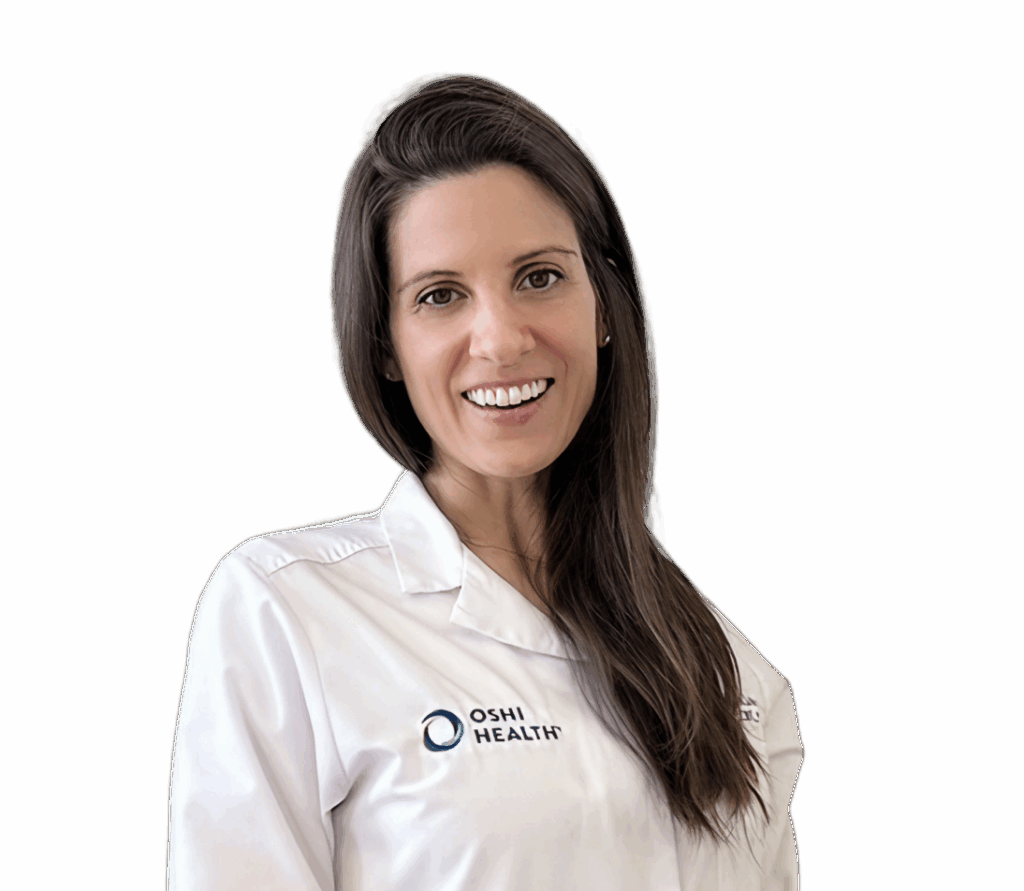
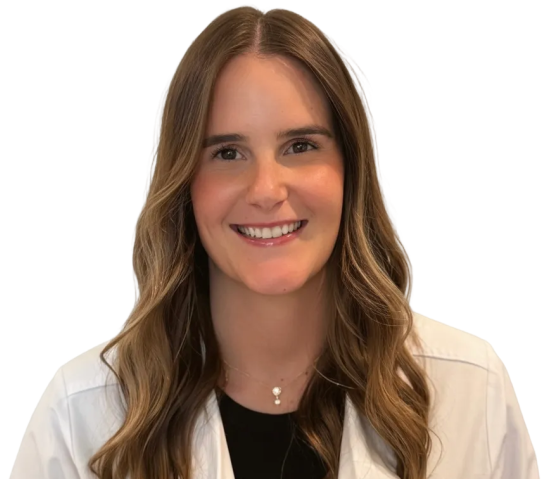
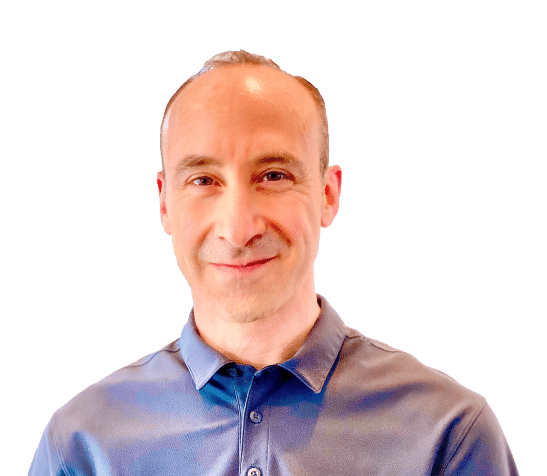
Our GI specialists understand the complexities of fatty liver disease and how it can impact your overall health.



Takeaway
Getting a MASLD diagnosis can be scary. But the good news is that it can often improve—and sometimes even reverse—with early, timely treatment. And you don’t need to manage it alone.
With team-based GI, nutrition, and gut-brain care, you can slow or reverse the course of the disease and get lasting relief from digestive symptoms.
Oshi is your partner in expert liver care
Liver conditions like fatty liver disease can be hard to manage on your own without clear guidance.
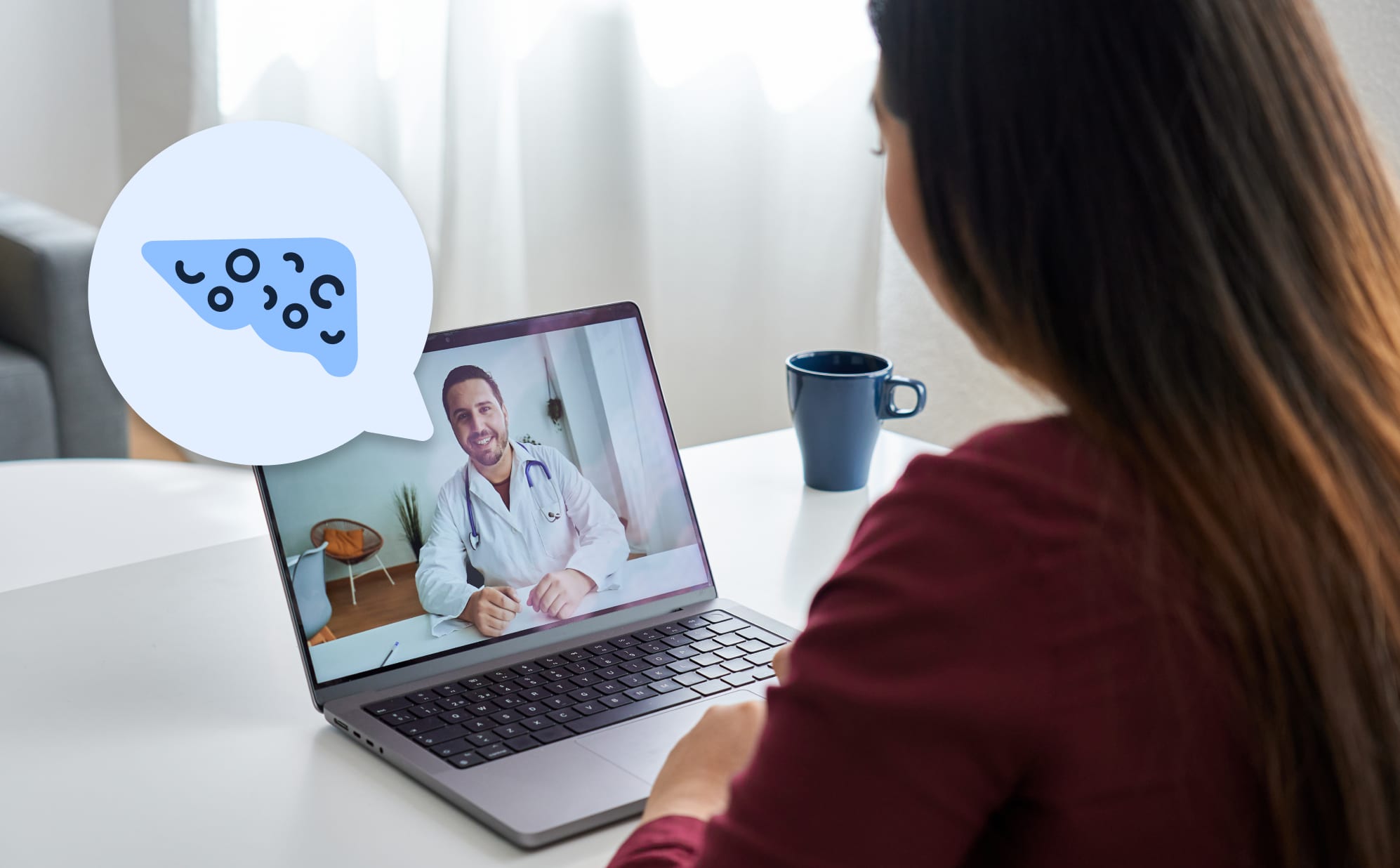
Oshi Health gives you access to GI providers, registered dietitians, and gut-brain experts who specialize in liver health. They can evaluate your symptoms, order labs, and create a personalized care plan based on your needs.
Plus, with convenient virtual visits, our specialists can monitor your progress over time and adjust your plan based on your lab results and how you’re feeling.
You deserve clear answers and expert care for your liver health.