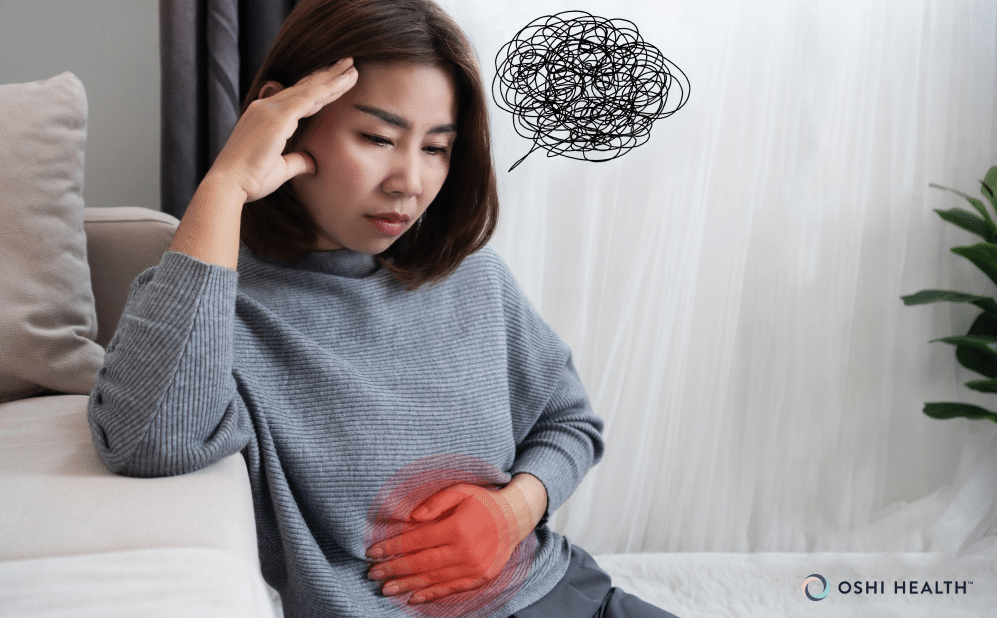



If you’ve ever felt like anxiety was giving you knots in your stomach, you’re not alone. There is a very real connection between your gut and your brain, which can lead to stomach pain when you’re feeling anxious. But what does anxiety stomach pain feel like, and how can you help ease it? Here’s how, plus why it happens, and how it differs from other types of abdominal pain.
I, like many people, have felt the sensation of”butterflies” or knots in my stomach, whether it was before a big work presentation or after receiving stressful news. If you experience chronic anxiety (*raises hand in solidarity*), that stomach pain can become a recurring and uninvited guest. You may begin to wonder if it’s”just anxiety” or an underlying GI issue. So, what does anxiety stomach pain feel like, where does it come from physiologically, and how can you help yourself feel better?
This article will answer all those questions as we explain the gut-brain connection. This connection is the bodily communication network that makes it so common to experience digestive issues, including stomach pain, when you’re feeling anxious or stressed. This guide will reveal what treatment options may be effective for your anxiety stomach pain—and what to do in the moment to calm your brain and gut.
What does anxiety stomach pain feel like?
Stomach issues caused by anxiety can be difficult to nail down, mainly because the pain itself doesn’t have a standard sensation or location. Anxiety stomach pain can feel like knots, butterflies, a churning sensation, a tightness, a crampy stomachache, or discomfort in the pit of the stomach–and we’re probably missing some of the ways an anxious stomach can feel.
It can even feel like pain associated with gastrointestinal diseases, such as ulcers or gallstones, says David Clarke, MD, a board-certified internist and gastroenterologist, and the President of the Association for the Treatment of Neuroplastic Symptoms. He adds, “It can also move from place to place, vary in intensity, not be triggered consistently, and be associated with bloating, indigestion, nausea, vomiting, diarrhea, or constipation.”
That transient location and popping in and out is a hallmark feature of a stress belly. And at least in my experience, the fact that I never know what my anxiety stomach pain will feel like or where it will hit makes it even more frustrating to deal with.
Yet one commonality is that there’s usually something, whether internal or external, that triggers this reaction. “Clients report experiencing waves of discomfort that correlate to their thoughts or stressful situations,” says Kaila Hattis, MA LMFT, a licensed therapist in California.
But why does my stomach hurt when I’m anxious?
The brain and the gut may not be anatomically close to one another, but they regularly communicate back and forth, kinda like long-distance best friends. Their chosen mode of communication isn’t FaceTime, but the gut-brain axis. This axis is made up of nerves that send messages (this is done via neurotransmitters, but more on that in a bit) between the brain and the gut. More specifically, the messages flow between the enteric nervous system in the gut and the central nervous system in the brain.
The relationship is bidirectional, meaning the gut sends cues to the brain and vice versa. The brain then uses the”gut feelings” (pun intended) to regulate digestion, aka send messages back to the gut about when to eat or digest food for energy. The gut’s messages also help the brain regulate metabolism, the immune system, and the endocrine system, which is a series of organs that help manage mood, energy levels, the body’s development, and more.
The most important nerve in the gut-brain axis is the vagus nerve. You can think of it as a high-speed train that delivers information about heart rate, digestion, mood, and more to the brain and gut. But this train doesn’t just transport messages or status updates; neurotransmitters like serotonin, which regulate mood, have tickets too.
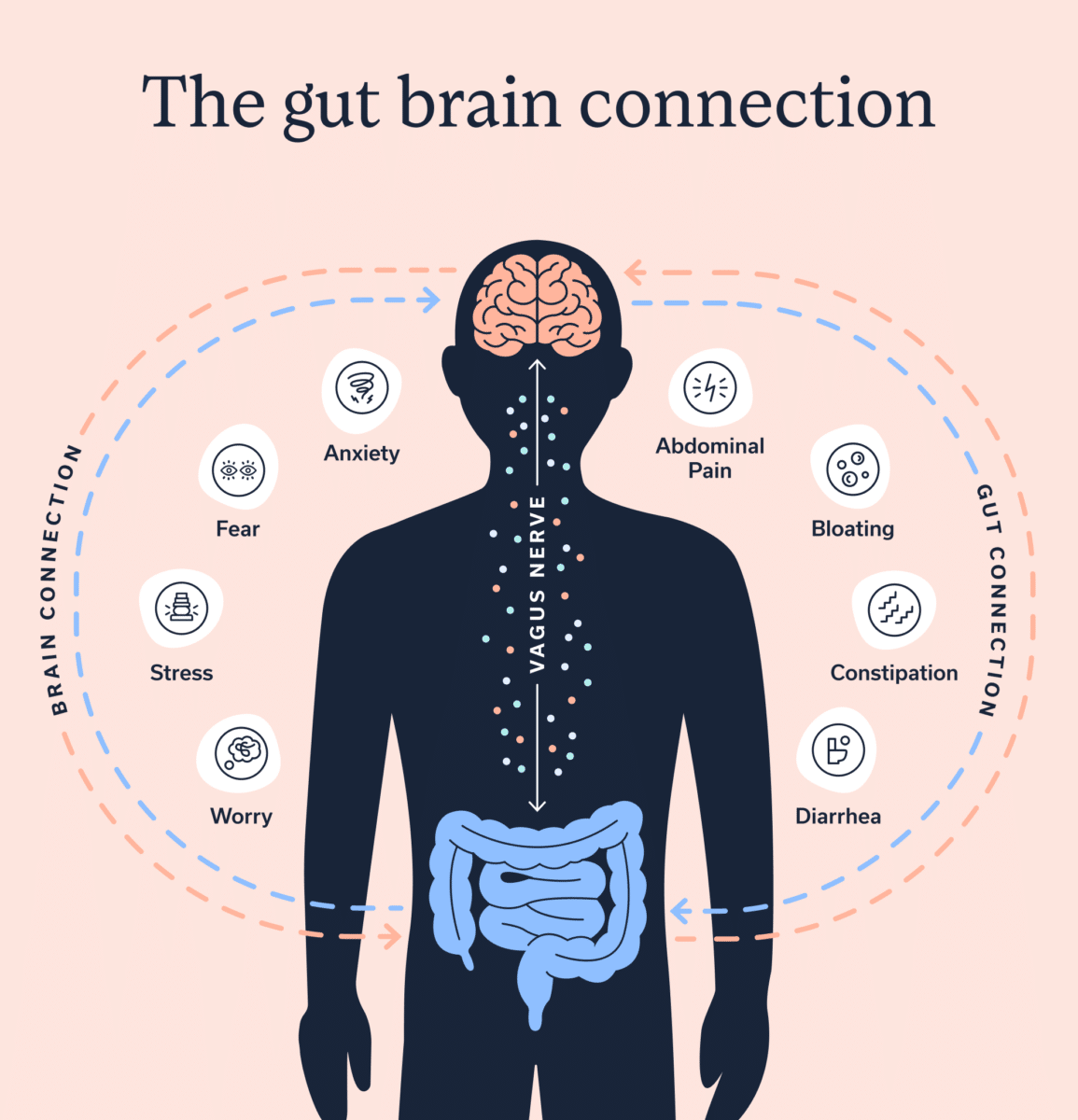
Harris explains, “The gut produces about 90% of the body’s serotonin, therefore, when anxiety disrupts this message exchange system, it causes a cascade of digestive symptoms that support the experience of being anxious.”
Another key reason for severe stomach pain when anxious is the fight-or-flight response, according to Dr. Clarke. When we’re anxious or stressed, the brain activates this system, which intends to protect us.
As part of the fight-or-flight process, the nervous system redirects blood flow from the stomach to muscles that can help us run or fight. “This will slow down the emptying of food from the stomach and increase the amount of acid produced by the stomach while causing the muscles of the intestines to contract, all of which result in real physical discomfort,” explains Hattis.
How anxiety-related stomachache differs from other causes
Real talk: It can be really, really hard to tell if stomach pain is caused by anxiety, a GI condition, or both. I can’t count the number of times I’ve googled IBS symptoms, wondering if my anxiety pain was actually IBS. And I’m calling myself out here, but doing your own research on stomach pain, while possibly beneficial, does not replace seeing a gastroenterologist or other GI provider.
When a GI provider evaluates a patient’s stomach pain, they look out for a few tell-tale signs that it’s caused by anxiety:
- Pain eases with stress-relief strategies or distractions: Let’s say you do a meditation to relieve stress or get sucked into the latest Emily Henry novel. If the pain goes away (especially if the excessive worry disappears too), that stomach pain is likely related to anxiety.
- Pain is nomadic: If you feel stomach pain in the pit of your stomach one day and in the upper right-hand side the next, it may be due to anxiety. Dr. Clarke explains, “The other types of abdominal pain don’t move from place to place and are less likely to vary a lot in intensity.”
- Symptoms occur before, during, or after stressful events: Anxiety stomach pain usually flares up during periods of stress, such as a hectic week at work or right before you click send on that application for your dream job.
Common stomach issues that can be triggered or worsened by anxiety
Remember how we mentioned that the gut-brain access is bidirectional? That’s about to add another layer of complication to anxiety stomach pain. Turns out, many stomach issues are triggered by anxiety, and these same issues can contribute to us feeling anxious as well. The latter is because many GI conditions impact the gut’s ability to create serotonin, and reduced serotonin production is associated with a higher chance of developing anxiety.
All this means that anxiety stomach pain may still be related to a GI condition. And when both are present together, it’s often a chicken-and-egg situation where it’s hard to tell what’s causing what.
Specific GI conditions associated with anxiety stomach pain include:
- Acid reflux and gastroesophageal reflux disease (GERD): This chronic gut condition causes the contents of the stomach to flow back into the food pipe (the esophagus), causing symptoms like heartburn. High stress levels may contribute to more severe or frequent GERD symptoms.
- Functional dyspepsia: This form of chronic indigestion (aka discomfort in the abdomen) affects over 20% of people worldwide. Stress can be a trigger for episodes of functional dyspepsia.
- Irritable bowel syndrome (IBS): This common, chronic gut condition disrupts digestive function, causing symptoms like abdominal pain, bloating, constipation, and diarrhea. Somewhere between 40-90% of people with IBS also have anxiety or depression.
- Inflammatory bowel disease (IBD): IBD is actually an umbrella term for Crohn’s disease and ulcerative colitis, which both cause chronic inflammation in the gut. While stress won’t cause IBD, it may trigger symptoms (hello, stomach pain) and make inflammation worse.

When to seek care
If you find yourself asking “why does my stomach hurt?” more days than not, bring up this concern with a primary care provider who can refer you to a GI provider, or directly with a GI provider, such as the team at Oshi. You should also seek immediate care if you’re experiencing recurring or severe stomach pain; there could be a bigger issue at play. Even if it is “just anxiety,” you may still benefit from treatment, usually from a gut-brain specialist or another type of therapist.
Seek immediate medical attention if experiencing:
- Blood in stool
- Continuous vomiting
- Fever
- Pain in your upper left abdomen, which could be a sign of pancreatitis
- Pain that quickly gets worse
- Severe pain in your upper right abdomen, which could indicate gallstones or a gallbladder attack
- Sudden, sharp pain in your lower right abdomen, which may be a sign of appendicitis
- Trouble swallowing
- Vomiting with blood
Diagnosing stomach pain
To determine if anxiety may be playing a role in your digestive issues, a GI provider will ask questions about your symptoms, when they occur, and what triggers them. They’ll also inquire about any anxiety you’ve been feeling or mental health symptoms, as well as your family’s GI history, your diet, your bowel habits, and any medications you take. Depending on your situation, they may also order bloodwork, stool tests, or imaging, all of which can provide a clearer view of what’s actually happening in the gut.
Working with a healthcare provider
Once a GI provider has diagnosed the cause of your stomach pain, they’ll get to work creating a treatment plan. Because the gut plays such a crucial role in our overall health, treatment often requires a team of experts who can address GI symptoms from every angle.
That line-up of specialists may include a GI provider, a GI dietitian, a gut-brain specialist, and perhaps a mental health professional who doesn’t focus solely on the gut.
Non-surgical treatment options for anxiety-related stomach pain
A cool, though somewhat intimidating, fact about anxiety-related stomach pain is that there are many effective treatments out there. Your GI care team can help you navigate the many, many options. The most common include:
- Dietary changes: Guided by a dietitian, you may be able to identify any foods that trigger symptoms and adjust what you eat as needed. These triggers are different for everyone, which is why it’s important to work one-on-one with an RD.
- Gut-brain therapy: In these sessions, a gut-brain specialist uses science-backed therapeutic approaches that specifically address the impact of stress and anxiety on your symptoms. Your gut-brain provider will also offer practical tools to get anxiety-related GI symptoms under control, such as breathing exercises or mindfulness practices.
- Medication: “In some cases, medication for anxiety and depression can help, and there are medications that can reduce gastrointestinal muscle spasm,” says Dr. Clarke. For those who require medication for anxiety specifically, a psychiatrist (or an Oshi APP) will write a prescription. Some stomach medicines are over-the-counter, but it’s still best to ask a GI provider which one will work best. Trialing endless options may make symptoms worse.
- Therapy for anxiety: When anxiety is causing stomach pain or a trigger for GI symptoms, someone may benefit from working with a licensed therapist. These sessions will be much more focused on the anxiety (versus how the anxiety interacts with digestive health), so they are different from gut-brain therapy. That said, the two are definitely a dynamic duo, and when used together, they allow you to better understand how anxiety manifests in your body.
Self-care strategies when stomach pain and anxiety show up together
A GI provider and therapist will help you develop a lifestyle and routine that supports good gut health and relieves anxiety. This might include changes to your nighttime routine so you can get more quality sleep, incorporating more physical movement into your days, and making sure you eat regular, gut-friendly meals.
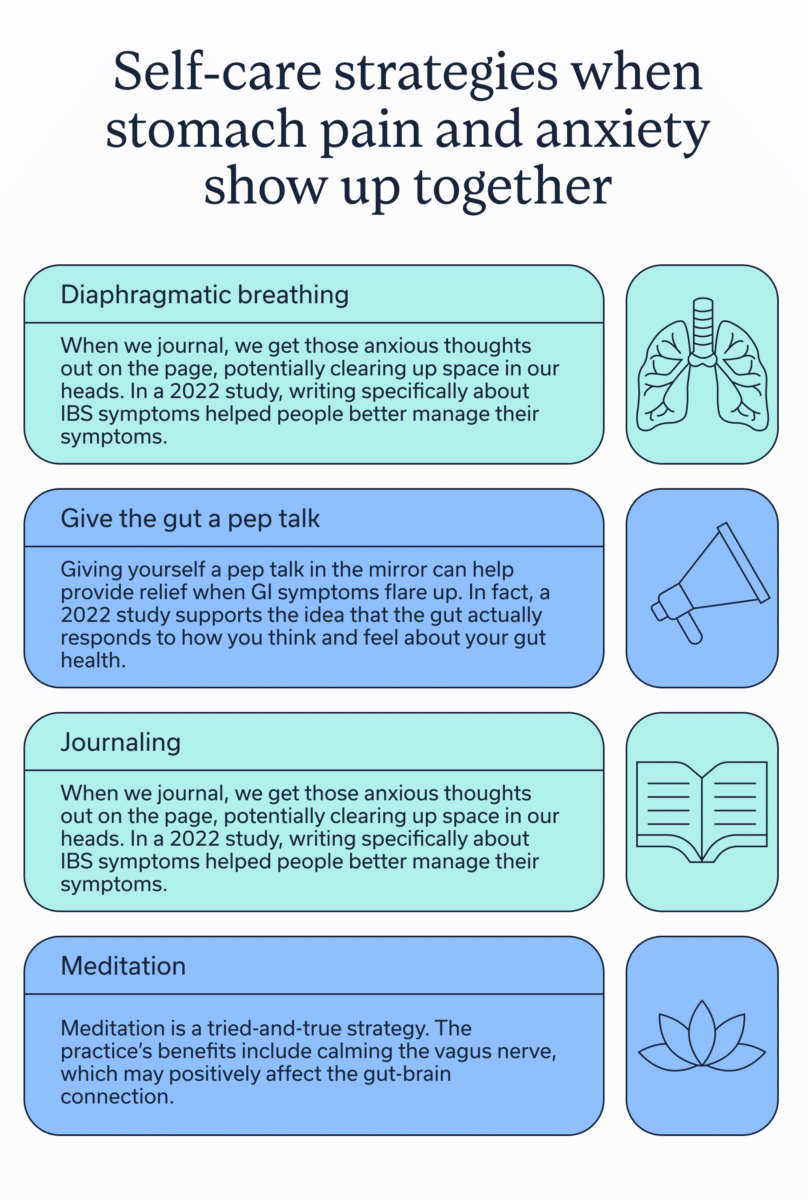
This routine is super important, but even if you do all the things right, anxiety may still rear its ugly head from time to time. To prepare for when anxiety strikes, build a toolkit of quick strategies to combat it. Tools you may want to add include are:
- Diaphragmatic breathing: “Most people don’t realize how much their breathing patterns affect digestive function,” says Hattis. She explains that anxiety often makes us breathe shallowly, which disrupts the flow of oxygen to the digestive system. Instead, she recommends breathing diaphragmatically, aka taking big belly breaths. The best way to learn this technique is to work with a gut-brain specialist or other mental health provider, though this video provides a rough idea.
- Give the gut a pep talk: Giving a pep talk in the mirror isn’t just for first dates or big work presentations. They may also provide relief when GI symptoms flare up. In fact, a 2022 study supports the idea that the gut actually responds to how you think and feel about your gut health.
- Journaling: When we journal, we get those anxious thoughts out on the page, potentially clearing up space in our heads. The next time your GI symptoms flare up, journal your thoughts and feelings related to those symptoms. In a 2022 study, writing specifically about IBS symptoms helped people with this GI condition better manage their symptoms.
- Meditation: Thanks to its impact on overall well-being, meditation is a tried-and-true strategy. The practice’s benefits include calming the vagus nerve, which may positively affect the gut-brain connection. Admittedly, sitting and thinking of nothing for ten minutes is hard, which is where guided meditations come in. Gut-brain providers can even provide meditations specifically for GI function.

Final thoughts
- Anxiety stomach pain is a very real phenomenon. It can feel like knots, butterflies, churning, or a cramping or tight stomach. Often, it moves around the abdomen, and its intensity correlates with how stressed someone feels.
- Stress or anxiety can cause GI symptoms like stomach pain because of the gut-brain axis, which is the communication pathway where the gut and central nervous system share messages and neurotransmitters back and forth.
- Since the gut-brain connection is bidirectional, GI conditions like IBS may also impact mental health. In fact, it’s common for anxiety stomach pain to stem from more than”just anxiety,” which is why it’s important to have a GI provider assess symptoms.
- Whether anxiety, a GI condition, or both causes your stomach pain, there are effective treatment options. Often, a treatment plan encompasses dietary changes, medications, gut-brain therapy, and self-care strategies. A comprehensive GI care team, like the one at Oshi, can help you address stomach pain from every angle.
Frequently asked questions (FAQs)
-
It’s difficult to tell if stomach pain is caused by anxiety, a GI condition, or a mix of both. The only way to know for sure is to make an appointment with a GI provider who can evaluate your symptoms.
-
The best medication for anxiety stomach pain is whatever a GI or mental health provider recommends. Gut health and mental health are both highly individual, and your treatment plan should be customized to your needs.
-
Yes, anxiety can cause diarrhea. Thanks to the gut-brain connection, anxiety or negative emotions may lead to many GI symptoms, including abdominal pain, burping, nausea, heartburn, constipation, and diarrhea.
Oshi is your partner in digestive health
Feel like your digestive concerns are running your life? You’re not alone—and we’re here to help you find lasting relief.
Oshi Health GI providers, gut-brain specialists, and registered dietitians work together to address your symptoms and find solutions that actually work for you.
Whether you’re dealing with chronic digestive issues or unpredictable symptom flare-ups, our GI specialists deliver:
✔ Personalized care plans tailored to your lifestyle
✔ Science-backed strategies to calm your gut
✔ Compassionate, whole-person care
✔ And so much more!
Ready to take control of your gut health?