Gastritis overview
If you’ve been dealing with burning stomach pain, nausea, bloating, or discomfort after eating, gastritis is one possible explanation for these symptoms.
Gastritis happens when the lining of your stomach becomes irritated or inflamed. This inflammation can happen suddenly (acute gastritis) or develop gradually over time (chronic gastritis). For some people, symptoms are mild and occasional. For others, they can get in the way of everyday things—like eating a meal, getting through the workday, or making plans with friends.
Some people are diagnosed with gastritis after testing, such as an endoscopy, that shows inflammation of the stomach lining. Others experience symptoms commonly associated with gastritis even when testing isn’t done or doesn’t show major inflammation. In both cases, your symptoms are real.
At Oshi Health, we look at the full picture. Our GI specialists work with you to understand your symptoms and address them through medical care, nutrition support, gut-brain therapy, and ongoing monitoring.
What is gastritis?
Gastritis is inflammation of the stomach lining. Your stomach lining plays an important role in protecting the stomach from its own digestive acids. When that protective lining gets irritated or inflamed, it can cause symptoms like pain, burning, nausea, and indigestion.
Gastritis symptoms
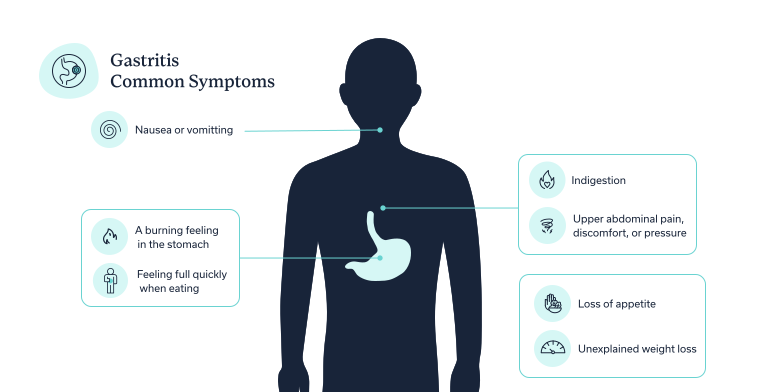
Gastritis doesn’t look the same for everyone. Some people notice symptoms every day, while others experience symptoms that come and go—or only appear after certain meals, medications, or stressful periods. In some cases, people have no symptoms at all.
Common symptoms include:
- Upper abdominal pain, discomfort, or pressure
- A burning feeling in the stomach
- Nausea
- Vomiting
- Feeling full quickly when eating
- Indigestion
- Loss of appetite
- Unexplained weight loss
For some people, these symptoms are just uncomfortable. For others, they can start to affect relationships, mealtime, work, and daily routines.

Seek medical care immediately
Get medical help right away if you have blood in your vomit, vomit that looks like coffee grounds, black or tarry stools, or severe, worsening stomach pain. These can be signs of internal bleeding.
What causes gastritis?
There are a few possible causes of gastritis and stomach inflammation.
These include:
- Infection with Helicobacter pylori (H. pylori) bacteria
- Overusing nonsteroidal anti-inflammatory drugs (NSAIDs), like ibuprofen
- Drinking too much alcohol
- Autoimmune disorders
In some cases, symptoms and inflammation can happen without an obvious cause. That doesn’t mean your symptoms aren’t real. But digestive symptoms can often be complex.
Risk factors for gastritis
Several factors can increase the chances of developing gastritis, including:
- Having had an H. pylori infection
- Long-term NSAID use
- Smoking
- Drinking heavily
- Older age
- Having an autoimmune condition
Keep in mind, having one or more risk factors doesn’t mean you’ll develop gastritis.
Gastritis complications
Without treatment, some forms of gastritis can lead to complications over time. These include:
- Stomach ulcers
- Bleeding in the stomach
- Anemia
- Stomach cancer
Early diagnosis and treatment can help lower your risk of complications and improve your chances of long-term symptom relief.
How is gastritis diagnosed?
Your provider will typically start by asking about your symptoms, medical history, and any patterns you’ve noticed—like nausea after eating or intermittent stomach pain.
Depending on your symptoms, additional testing may include:
- Blood tests
- Stool tests (to check for H. pylori)
- Abdominal ultrasound
- Trial of an acid-blocking medication as a therapeutic diagnostic
- Upper endoscopy (a procedure that involves using a tube with a camera to see into your upper gastrointestinal (GI) tract)
Testing involves looking for signs of inflammation and potential causes of gastritis, like an H. pylori infection, but can also include the use of a low-dose medication to see if symptoms improve. This acts as a quick way to diagnose gastritis and get you better quickly.
In-network with most major health plans
Unlike traditional healthcare providers, we don’t bill on a per visit basis. With insurance coverage, most Oshi Health patients get a year of unlimited care and only pay for four in-network specialist visits. For those four visits, copays and deductibles apply based on your plan benefit details






Gastritis symptom treatment
There’s no single approach that works for everyone with gastritis. Your treatment plan depends on what’s causing your symptoms, how severe they are, and your health history.
At Oshi, your care team may include a GI provider, registered dietitian, and gut-brain specialist. Together, they’ll help you understand your symptoms, explore treatment options, and build a plan that fits your life.
The goal is to manage your symptoms in the moment—and help you feel better in the long-term.

1. Medical management
Your GI provider will take time to review your symptoms and previous testing (if any) and determine whether additional testing is necessary or if a trial of an acid-reducing medication would be best.
Once they discover what’s causing your symptoms, they can prescribe medications or dietary supplements to:
- Lower stomach acid
- Treat a H. pylori infection
- Support healing of the stomach lining
- Manage symptoms like pain, nausea, and indigestion
- Address nutrient deficiencies
They may also ask you to stop taking NSAIDs if they suspect long-term use has impacted your stomach lining.
Your provider will also monitor your progress and adjust your treatment plan as your symptoms change over time.
2. Dietary support
Food doesn’t cause gastritis for everyone, but in some people, certain foods and eating patterns can make symptoms worse. Gastritis can also cause problems with nutrient absorption, so working with a registered dietitian can help you ensure you’re staying nourished and don’t develop nutrient deficiencies.
Our GI registered dietitians help patients:
- Identify individual food triggers
- Reduce symptoms flare-ups without unnecessary restrictions
- Build balanced eating habits that support healing
- Navigate eating when symptoms make mealtime stressful
3. Gut-brain support
The stomach and brain are closely connected. Stress doesn’t cause every digestive symptom, but it can influence how symptoms feel and how often they crop up.
Our gut-brain specialists help patients:
- Understand the gut-brain connection
- Develop tools to manage symptom-related stress
- Lower anxiety around eating and gastritis symptom flares
- Improve coping strategies for chronic symptoms
- Build confidence in daily life despite digestive challenges
Team-based care for liver disease
Our GI specialists are here to treat you from every angle and bring you long-term relief from symptoms.










4. Whole-person care and ongoing support
Digestive symptoms are rarely caused by a single thing. That’s why Oshi looks beyond test results alone. We consider how nutrition, sleep, daily routines, medications, and other health conditions may play a role in your digestive health. As your needs change, your treatment plan can evolve, too.
With Oshi, you’ll have ongoing access to your care team between visits through the Oshi app, making it easy to get answers, adjust your plan, and stay supported throughout your care experience.
- decrease in unnecessary (and expensive) procedures and tests
- of undiagnosed patients get a clear diagnosis within 3 months
- of patients report better quality of life, with less stress and anxiety, within 3 months
Source: Results of a clinical trial conducted in partnership with a national health plan
Oshi is your partner in digestive health
Feel like your digestive concerns are running your life? You’re not alone—and we’re here to help you find lasting relief.
Oshi Health GI providers, gut-brain specialists, and registered dietitians work together to address the root cause of your symptoms and find solutions that actually work for you.
Whether you’re dealing with chronic digestive issues or unpredictable symptom flare-ups, our GI specialists deliver:
✔ Personalized care plans tailored to your lifestyle
✔ Science-backed strategies to calm your gut
✔ Compassionate, whole-person care
✔ And so much more!
Ready to take control of your gut health?
Frequently Asked Questions
-
Gastritis can cause upper abdominal pain, a burning sensation in the stomach, nausea, bloating, indigestion, or feeling full quickly when eating. But symptoms can vary widely from person to person.
-
Some mild cases improve once the underlying cause is addressed, but it’s important to see a GI provider for chronic symptoms to rule out other conditions.
-
Gastritis refers to inflammation of the stomach lining, while indigestion is a group of symptoms like discomfort, bloating, or nausea. Some people with indigestion have gastritis, but not everyone with indigestion has stomach inflammation.
 Steph Coelho, CPT
Written by Steph Coelho, CPT
Steph Coelho, CPT
Written by Steph Coelho, CPT
Medically reviewed by Michael Currier, PA-C